Showing posts with label bast fibre. Show all posts
Showing posts with label bast fibre. Show all posts
Wednesday, November 25, 2020
Monday, September 30, 2019
BANANA FIBRE, EXTRACTION OF BANANA FIBRES
BANANA FIBRE:
HISTORY OF BANANA FIBRE:
Chemical composition of banana fibre is given in below table:

CHEMICAL COMPOSITION CHART OF BANANA FIBRE:

BANANA FIBRES EXTRACTION PROCESS:
CHARACTERISTICS OF BANANA FIBRES:
HISTORY OF BANANA FIBRE:
The history of banana fibre is old more than 700 years. People were aware of the use of banana fibres for the last 700 years. Japanese extracted banana fibres from a banana tree in the 13th century. The people extracted banana fibres manually. Now these days, banana fibres are being extracted with the help of machines. In the traditional fibres extraction process, banana fibres are extracted manually completely. Nepalese process of fibre extraction is more similar to that of silk fibres.
BANANA FIBRE:
Banana fibre is obtained from the inner bark of the banana stem. When the fruits are picked up from the banana tree, the stem ( trunk) is cut close to ground level. Before a few years ago, these trunks were a very big problem for farmers. They normally burnt these banana trees
These trunks are sent to a fibre extraction unit. The banana fibres are obtained from brown or the creamish portion of the inner bark of the trunk. The outer bark ( green portion of the stem is peeled up manually. Now banana fibres are extracted.
These trunks are sent to a fibre extraction unit. The banana fibres are obtained from brown or the creamish portion of the inner bark of the trunk. The outer bark ( green portion of the stem is peeled up manually. Now banana fibres are extracted.
Chemical composition of banana fibre is given in below table:

CHEMICAL COMPOSITION CHART OF BANANA FIBRE:

BANANA FIBRES EXTRACTION PROCESS:
Banana Fibre is extracted from the inner bark of a banana tree. The trunk of the banana is peeled manually in the banana fibres extraction unit. Peeled brown and green part ( outer bark) is thrown away as waste. Now the trunk has white colour bark( inner bark). This inner bark is used to extract banana fibres.
PEELING:
The peeling process is performed manually. Before peeling the trunk( stem), the trunk is parted vertically. The trunks are divided into four vertical parts. Now peeler starts peeling off while colouring inner bark from the trunk. The peeled white portion is collected at a suitable place.
FIBRE EXTRACTING:
The peeled white portion ( inner bark) is processed into a machine having pressure rollers and fibres separating mechanism. Since the white inner bark contains a huge amount of moisture in it, therefore this moisture is required to be eliminated from the bark. The pressure rolls help to squeeze the moisture from fibres. For moisture elimination, the peeled white bark is passed between the rollers nip. Moisture eliminates like sugarcane juice extractor. The machine operator holds one end of the peeled trunk and feeds the maximum length of the peeled trunk between rollers nip.
FIBRE TO FIBRE SEPARATION PROCESS:
When the maximum length of the peeled trunk is fed into the machine, the machine operator pulled the trunk back by hand. When he pulls back the trunk, the fibre separation mechanism comes into play. When the operator pulls back the trunk, the fibres get separated automatically. The pulp generated during the process gets collected at the bottom of the machine. Now operator repeats the same process for another end of bark.
WASHING AND SUN DRYING:
The fibres are washed into the water tank properly. The fibres are squeezed and hung on the wooden railing for sun drying. When the fibre gets dried completely, they are packed and sent to spinning centres for yarn manufacturing.
PEELING:
The peeling process is performed manually. Before peeling the trunk( stem), the trunk is parted vertically. The trunks are divided into four vertical parts. Now peeler starts peeling off while colouring inner bark from the trunk. The peeled white portion is collected at a suitable place.
FIBRE EXTRACTING:
The peeled white portion ( inner bark) is processed into a machine having pressure rollers and fibres separating mechanism. Since the white inner bark contains a huge amount of moisture in it, therefore this moisture is required to be eliminated from the bark. The pressure rolls help to squeeze the moisture from fibres. For moisture elimination, the peeled white bark is passed between the rollers nip. Moisture eliminates like sugarcane juice extractor. The machine operator holds one end of the peeled trunk and feeds the maximum length of the peeled trunk between rollers nip.
FIBRE TO FIBRE SEPARATION PROCESS:
When the maximum length of the peeled trunk is fed into the machine, the machine operator pulled the trunk back by hand. When he pulls back the trunk, the fibre separation mechanism comes into play. When the operator pulls back the trunk, the fibres get separated automatically. The pulp generated during the process gets collected at the bottom of the machine. Now operator repeats the same process for another end of bark.
WASHING AND SUN DRYING:
The fibres are washed into the water tank properly. The fibres are squeezed and hung on the wooden railing for sun drying. When the fibre gets dried completely, they are packed and sent to spinning centres for yarn manufacturing.
CHARACTERISTICS OF BANANA FIBRES:
Banana fibre is a natural bast fibre. It has its own physical and chemical characteristics and many other properties that make it a fine quality fibre.
1- The banana fibres give an appearance like bamboo fibres.
2- it has better spinnability than bamboo fibres.
3- The banana fibre has a high tensile strength of 29.98 grams/ denier
4- The banana fibres have a good lustre like silk. The lustre of fibres depends upon the fibre extraction and spinning process.
5- The banana fibres have poor elongation characteristics.
1- The banana fibres give an appearance like bamboo fibres.
2- it has better spinnability than bamboo fibres.
3- The banana fibre has a high tensile strength of 29.98 grams/ denier
4- The banana fibres have a good lustre like silk. The lustre of fibres depends upon the fibre extraction and spinning process.
5- The banana fibres have poor elongation characteristics.
6- It has low specific gravity 1.12.
7- It shows very good moisture absorption quality. It absorbs as well as releases moisture quickly. Moisture regain is 13℅.
8-It is bio-degradable and has no negative effect on the environment and thus can be categorized as eco-friendly fibre.
9- The average fineness of banana fibre is 2400Nm.
10- The banana fibres have versatile spinnability. It can be spun on ring frame, open-end, worsted spinning and wet spinning process.
USES AND APPLICATIONS OF BANANA FIBRE:

The banana tree has multiple uses. The seedless fruits are obtained from it. Raw banana fruit is used as a vegetable. The ripe banana fruit is eaten. In southern India, the banana leaves are used to serve the food on the banana leaves. The inner bark is used to extract fibres. These fibres are used to make mats, bags, bins etc. The banana fibres are also blended with silk and polyester fibres. These blends create special effects in the fabric. It is also used to make paper.
Please click on the below video link to watch the full article in Hindi:

The banana tree has multiple uses. The seedless fruits are obtained from it. Raw banana fruit is used as a vegetable. The ripe banana fruit is eaten. In southern India, the banana leaves are used to serve the food on the banana leaves. The inner bark is used to extract fibres. These fibres are used to make mats, bags, bins etc. The banana fibres are also blended with silk and polyester fibres. These blends create special effects in the fabric. It is also used to make paper.
Please click on the below video link to watch the full article in Hindi:
You may also be interested in the following articles:
Polyester fibre production process
Production process of nylon 66
Elastane or spandex fibre production ( lycra and dorlastane
Soy protein fibre ( a renewable fibre
Polyester fibre production process
Production process of nylon 66
Elastane or spandex fibre production ( lycra and dorlastane
Soy protein fibre ( a renewable fibre
Ring frame process and it's objectives
Nylon 6 fibre production
Bamboo rayon fibre production
Modal fibre production
Soy protein fibre ( SPF) production process
Polylactide (polylactic acid) fibre production process
Nylon 6 fibre production
Bamboo rayon fibre production
Modal fibre production
Soy protein fibre ( SPF) production process
Polylactide (polylactic acid) fibre production process
Sunday, August 11, 2019
LINEN ( FLAX) FIBRE, CULTIVATION OF FLAX FIBRE, CHARACTERISTICS OF LINEN FIBRES, USES OF LINEN FIBRES
LINEN FIBRE:
Chemical composition of flax fibre is given in below table:


GROWING OF FLAX PLANT
Climatic Conditions:
Soil:
One heavily branched fine stem
• Averages 24-36” tall
• Tap root up to 40” long
• Lanceloate leaves
• Deep green
• Slender
• Annual:
Cultivation of flax plant:
Natural retting :
Chemical retting:
PHYSICAL PROPERTIES OF LINEN FIBRE
Physical properties of linen fibres are given below:
Tensile Strength:
Elongation at break:
Colour:
Fibre length:
The linen fibres have a long length. The linen fibre length varies between the range of 18 inches to 30 inches.
Lustre or seen of linen fibre:
The lustre ( seen) of the linen fibre looks brighter than cotton fibre and it has a slightly silky appearance.
Specific Gravity:
The specific gravity of linen fibre is 1.50 grams/cc. This is lighter than cotton.
Moisture content:
The standard moisture content of linen is 12%. The moisture content is greater than cotton
Effect of Heat:
Effect of Sun Light:
CHEMICAL PROPERTIES OF LINEN FIBRE:
Effect of Acids:
Effects of Alkalis:
Effects of Bleaching Agents:
Effect of Organic Solvent:
Effect of Micro Organism:
USES OF LINEN FIBRE:
• Suits
• Skirts
• wallets
• Pants
• Blouses
• Shirts
• children's wear etc.
SOME FACTS ABOUT LINEN(FLAX) FIBRE:
- The possibility of ironing linen fabrics with a hot iron helps to obtain a high degree of elimination ( less than 40 per cent of the micro- bacterias remains on the surface).
Please click on the below video link to watch the full article in Hindi:
Chemical composition and chemical formula of wool fibre
Chemical composition of abaca fibre
Chemical composition of silk fibres
Yarn count or yarn fineness & various types of yarn COUNT systems
You may also be interested in below sponsored links:
The linen fibre is a natural fibre ( vegetable fibre). Since this fibre is obtained from the stalk of the flax plant, therefore this fibre is also known as flax fibre. It is a cellulosic fibre. The linen fibre provides extra coolness and freshness during hot weather to the users. Linen fibre is being used by humans as a textile fibre since the oldest period of time.
The various types of textiles were found in 8000 BC in Swiss lake dwellings. The dyed flax fibres have been found in the cave of Georgia, which belong to 3600BC.
The linen fibre was also used in the form of currency in ancient Egypt.
Today, linen is a very expensive textile fibre. It is four to five times more expensive than cotton. This fibre is produced in small quantities. The linen fibre has very good absorbency and durability. “Its durability, low specific gravity and breathability make it popular and ideal fibre for suiting and shirting”. Since linen fibre has very low elongation and elasticity so that spinning and weaving of linen fibre is too difficult and more expensive than cotton. The linen yarn is spun by the wet spinning method.
CHEMICAL COMPOSITION OF FLAX FIBRE:
Chemical composition of flax fibre is given in below table:


GROWING OF FLAX PLANT
Climatic Conditions:
The flax plant is grown in warm and humid climatic conditions. It needs good soil to grow properly. The quality of flax produced depends on the weather conditions in which it is grown. Flax plants can adapt themselves to different weathers, various kinds of soils and the atmosphere. The flax plant can grow in any humid climate. “Proper growing of flax plant demands a temperature, equable climate (free from heavy rain). The frost and moist winds help to grow the plant sometime”. The relative humidity should be within the range of 60%-70% in flax growing areas. 150m.m.-200m.m. rain is considered ideal for flax growing areas.
Soil:
The soil which is considered as the best adapted to flax culture is a sound, dry, deep, friable loam ( a soil having sand, clay and fossils of the dead plants). This soil helps to produce the best quality flax fibres and seeds and maximizes flax production in all respects.
About plant:One heavily branched fine stem
• Averages 24-36” tall
• Tap root up to 40” long
• Lanceloate leaves
• Deep green
• Slender
• Annual:
Cultivation of flax plant:
Cultivated flax (Linum usitatissimum) is an annual crop of temperate ( neither very hot nor very cold) climates. It is specially grown in northern Europe. “Separate varieties are grown either for the fibre or for the seeds that are used in linseed oil production”.
When the seeds are sown in the field. The flax plant height reaches one metre approximately after 3 - 4 months. Now the pale blue colour flowers begin to appear on the stems of the plant. The whole plant is pulled from the soil after flowering. This practice helps to maximize the length of the flax fibres.
Linen fibre production:When the seeds are sown in the field. The flax plant height reaches one metre approximately after 3 - 4 months. Now the pale blue colour flowers begin to appear on the stems of the plant. The whole plant is pulled from the soil after flowering. This practice helps to maximize the length of the flax fibres.
After pulling the stems from the ground, stems are collected in the field. In the traditional process, the pulled stems of the flax plant are tied into bundles and are hung out to dry. When these stems get dried enough, these stems are combed with a rippling rake to remove the seed pods. The stems are now ready for retting.
The retting is done either by laying the bundles in a damp field for two weeks approximately, where they ret in the dew, or by leaving them in stationary water ( pond) for a few days.
The retting is done either by laying the bundles in a damp field for two weeks approximately, where they ret in the dew, or by leaving them in stationary water ( pond) for a few days.
The retted stems are now washed and dried thoroughly again. These washed and dried flax stems are broken with the help of a flax brake. The broken stems are now cleaned through the scutching process. The fibres are then combed on hackles to produce long line fibres that can be spun, called line flax. The short fibres are eliminated after combing. These short fibres are used to spin coarse count yarn.
Retting of linen fibres:
“The process of loosening of the fibres from the stalk of the plant is known as retting process”. There are two types of retting methods used. Such methods are:
Natural retting :
The flax fibres bind together in the plant's stalk due to pectin presenting in it. The loosening of fibres is required before fibres separation. In this method of natural retting, the bacteria are used to decompose the pectin. “Natural retting process is carried out in water tanks, pools, or directly in the fields”. The stem's bundles are left for a couple of weeks in dew, pool or tank in contact with water. After a couple of weeks, the bacterias present in water decompose the pectin of the plant's stems and fibres are loosened from the stalk. Now bundles are taken out. Retted stems are washed with clean water and dried well before the next process.
Chemical retting:
This method of retting is faster than natural retting, but “it is typically more harmful to the environment and to the fibres themselves”.
PHYSICAL PROPERTIES OF LINEN FIBRE
Physical properties of linen fibres are given below:
Tensile Strength:
The linen fibre has very good tensile strength. It has a tenacity of 5.5 to 6.5 grams/denier. This is greater than cotton fibre.
The linen fibre shows very poor elongation. It does not get elongated easily. It has an elongation of 2.7% - 3.5% at break. The low elongation characteristic creates many problems in spinning and weaving.
Colour:
The colour of the linen fibre looks yellowish to grey ( almost khaki colour)
Fibre length:
The linen fibres have a long length. The linen fibre length varies between the range of 18 inches to 30 inches.
Lustre or seen of linen fibre:
The lustre ( seen) of the linen fibre looks brighter than cotton fibre and it has a slightly silky appearance.
The specific gravity of linen fibre is 1.50 grams/cc. This is lighter than cotton.
Moisture content:
The standard moisture content of linen is 12%. The moisture content is greater than cotton
Effect of Heat:
The linen fibre has a very good resistance to degradation by heat. It gets less affected than cotton fibre by the heat.
Effect of Sun Light:
The linen fibre does not get affected by the sunlight as others fibre. It has enough ability to protect sunlight.
CHEMICAL PROPERTIES OF LINEN FIBRE:
The linen is a natural cellulosic fibre. The chemical properties of the linen fibre are given below:
Effect of Acids:
The linen fibre gets decomposed when it comes in contact with concentrated sulphuric acids. It remains unaffected when it comes in contact with diluted sulphuric acids.
Effects of Alkalis:
Linen fibre shows very good resistance to alkalis. It remains completely unaffected when it comes in contact with strong alkalis too.
The cold chlorine and hypo-chlorine bleaching agent do not influence the linen fibre properties.
Effect of Organic Solvent:
The linen fibre shows high resistance to normal cleaning solvents.
Effect of Micro Organism:
Linen fibre is affected by fungi and bacteria. Mildews can feed on linen fabric, rotting and weakling the materials. Mildews and bacteria will generate on linen under hot and humid conditions. The mildews generation can be prevented by treatment of material with antimicrobial agents.
USES OF LINEN FIBRE:
Some common uses of linen fibre are being given below:
• Dresses• Suits
• Skirts
• wallets
• Pants
• Blouses
• Shirts
• children's wear etc.
SOME FACTS ABOUT LINEN(FLAX) FIBRE:
- Linen clothes shows high air permeability and provide good air ventilation to the skin which is invaluable for people suffering from skin diseases.
- The possibility of ironing linen fabrics with a hot iron helps to obtain a high degree of elimination ( less than 40 per cent of the micro- bacterias remains on the surface).
- The flax fibre has high electrical conductivity, this characteristic helps to prevent electrostatic charge accumulation.
conductivity
- The high electrical conductivity of flax fibre helps to prevent dirt and dust contamination in it. This characteristic helps to reduce the washing frequency of the fabric. Thus the life of the fabric gets increased.
- The high electrical conductivity of flax fibre helps to prevent dirt and dust contamination in it. This characteristic helps to reduce the washing frequency of the fabric. Thus the life of the fabric gets increased.
- The linen fibre has great moisture content. Flax fibres show a highly hygroscopic nature. They can absorb moisture rapidly (up to 20 per cent of its dry weight) without feeling damp. The linen cloth always gives a fresh feel and cool touch.
- The linen fabric protects our skin from ultraviolet radiation”. The dense and white linen fabrics refuse to absorb the maximum spectrum of solar radiation (including the harmful ultraviolet radiation). Thus it keeps our skin safe from ultraviolet radiation.
- The linen fabric has good strength and durability.
- The linen is the strongest fibre among the vegetable fibres. This is 2 to 3 times more strong than cotton.
- The fibres do not get elongated and are resistant to damage from abrasion.
- The linen fabrics have very good dimensional stability after washing.
- The linen is the strongest fibre among the vegetable fibres. This is 2 to 3 times more strong than cotton.
- The fibres do not get elongated and are resistant to damage from abrasion.
- The linen fabrics have very good dimensional stability after washing.
Please click on the below video link to watch the full article in Hindi:
Chemical composition and chemical formula of wool fibre
Chemical composition of abaca fibre
Chemical composition of silk fibres
Bamboo fibre, production process, and properties
Nylon 66 fibre production process
Polyester fibre production process
Poly lactic acid or poly lactide fibre production processNylon 66 fibre production process
Polyester fibre production process
Yarn count or yarn fineness & various types of yarn COUNT systems
You may also be interested in below sponsored links:
Subscribe to:
Posts (Atom)
Featured Post
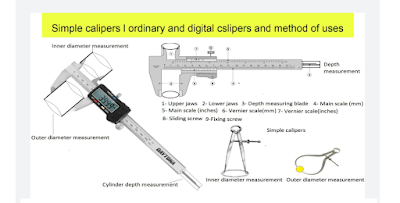
Simple calipers and vernier calipers, method of uses and calculations
Calipers: The calipers are very useful instruments. These instruments are used to measure the diameter of the cylinder, bore, bearing size, ...
-
 If you are searching for genuine hand woven, sustainable, and eco – friendly warm shawls, stoles, and scarves, the Himalayan weavers is off...
 -
 please click on the below link to read this article in Hindi यार्न की परिभाषा और यार्न के विभिन्न प्रकार या यार्न का वर्गीकरण VARIOUS TYPE...
 -
 CARDING: The carding is the second process of spinning which converts fed material (lap) into the uniform strand of fibres called “...
 -
 please click on the below link to read this article in Hindi एक सिस्टम से दूसरे सिस्टम में यार्न काउंट का रूपांतरण CONVERSION OF YARN COUN...