Showing posts with label positive tappet shedding. Show all posts

Sunday, June 20, 2021

टैपेट शेडिंग मैकेनिज्म (नकारात्मक शेडिंग) negative tappet shedding mechanism ( structure and working principle )

 टैपेट शेडिंग मैकेनिज्म (नकारात्मक शेडिंग)

शेडिंग मोशन पहली प्राथमिक करघा मोशन होती है। "मैनुअल या मैकेनिकल प्रक्रिया द्वारा ताना शीट को दो परतों में बाँटने  की प्रक्रिया को शेडिंग मोशन कहा जाता है। वार्प यार्न की परतें हील्ड शाफ्ट द्वारा बनाई जाती हैं। चूंकि हम जानते हैं कि वार्प एंड्स  को हेल्ड वायर  की आंखों के माध्यम से भरा  जाता है और जब शेडिंग मोशन लूम में होती  हैं तब कुछ  शाफ्ट ऊपर उठ जाते हैं और शेष शाफ्ट नीचे गिर जाते हैं और वेफ्त इंसर्शन के लिए रीड के सामने एक वी-आकार का मार्ग बनता है। वेफ्त  इंसर्शन के लिए वी-आकार के इस मार्ग को "शेड" कहा जाता है।


नकारात्मक टैपेट शेडिंग तंत्र की संरचना:

इस नेगेटिव टैपेट शेडिंग मैकेनिज्म में दो टैपेट्स का इस्तेमाल किया जाता है। टैपेट्स एक काउंटरशाफ्ट पर लगे होते हैं।

यह काउंटरशाफ्ट, बॉटम  शाफ्ट से स्पर गियर के माध्यम से घूर्णन गति प्राप्त करता है।

काउंटरशाफ्ट एक चक्कर पूरा  करता है जब निचला शाफ्ट एक प्लैन टैपेट शेडिंग तंत्र के लिए एक चक्कर के लिए घूमता है।

दो ट्रेडल लीवर का उपयोग किया जाता है। इन ट्रेडल लीवर पर एंटी-फ्रिक्शन बाउल भी लगे होते हैं।

प्रत्येक टैपेट संबंधित एंटीफ्रिक्शन बाउल   को छूता है। टैपेट्स को इस तरह से लगाया जाता है कि दोनों टैपेट्स की लिफ्टिंग पोजीशन एक दूसरे के ठीक विपरीत रखी जाती है।

ट्रेडल लीवर को जैक बार की मदद से हील्ड शाफ्ट से जोड़ा जाता है।

प्रत्येक शाफ़्ट  शाफ्ट का शीर्ष भाग एक चमड़े के पट्टा की मदद से रिवर्सिंग  रोलर से जुड़ा होता है।

प्रत्येक हील्ड  शाफ्ट के लिए चमड़े की दो पट्टियों का उपयोग किया जाता है। चमड़े की पट्टियों के माध्यम से हील्ड  शाफ्ट और रिवर्सिंग रोलर के बीच कनेक्शन की विधि नीचे की आकृति में दिखाई गई है।

नकारात्मक टैपेट शेडिंग तंत्र का कार्य सिद्धांत:

घूमने वाला बॉटम  शाफ्ट स्पर गियरिंग के माध्यम से गति को काउंटरशाफ्ट तक पहुंचाता है।

जैसे ही काउंटरशाफ्ट घूमता है, काउंटरशाफ्ट पर लगाए गए टैपेट्स उसी दिशा में घूमने लगते हैं।

घूमने वाला टैपेट एंटीफ्रिक्शन बाउल  को दबाता है।

चूंकि एंटी-फ्रिक्शन बाउल  ट्रेडल लीवर पर लगा होता है इसीलिए  ट्रेडल लीवर भी नीचे की स्थिति में चला जाता है।

चूंकि ट्रेडल लीवर का पिछला सिरा जैक बार से जुड़ जाता है, जिससे इस ट्रेडल लीवर से जुड़ा हील्ड शाफ्ट नीचे की स्थिति में आ जाता है और दूसरा हील्ड शाफ्ट ऊपर की स्थिति में चला जाता है क्योंकि फ्रंट हील्ड शाफ्ट की डाउनवर्ड मूवमेंट रिवर्सिंग  रोलर कोआंशिक  घूर्णी गति प्रदान करती है। 

काउंटरशाफ्ट की आधी चक्कर  के बाद टैपेट्स की स्थिति बदल जाती है।

अब दूसरा टैपेट संबंधित ट्रेडल लीवर पर लगे बाउल को दबाता है।

बैक हील्ड शाफ्ट नीचे की स्थिति में चला जाता है।

फ्रंट हील्ड शाफ्ट रिवर्सिंग रोलर द्वारा ऊपर उठता है जो बैक हील्ड शाफ्ट से जुड़े चमड़े की पट्टियों के माध्यम से रिवर्स मूवमेंट प्राप्त करता है।

इस तरह, आगे और पीछे के शाफ्ट की स्थिति नियमित रूप से बदलती रहती है।

Saturday, June 19, 2021

पॉजिटिव टैपेट शेडिंग तंत्र, संरचना और कार्य ( positive tappet shedding mechanism )

 पॉजिटिव  टैपेट शेडिंग तंत्र, संरचना और कार्य


पारंपरिक पॉजिटिव  टैपेट शेडिंग तंत्र:

पारंपरिक पॉजिटिव टैपेट शेडिंग तंत्र की संरचना:

पूरे तंत्र को दो भागों में विभाजित किया जा सकता है:

टैपेट और टैपेट लीवर:

टैपेट सी को टैपेट शाफ्ट ए पर टाइट किया  जाता  है।

टैपेट शाफ्ट, बॉटम  शाफ्ट से घूर्णन गति प्राप्त करता है। 

बॉटम  शाफ्ट गति को एक समकोण पर टैपेट शाफ्ट में स्थानांतरित करता है।

इस मोशन ट्रांसफर में समान दांत वाले दो बेवल गियर का उपयोग किया जाता है।

टैपेट लीवर E को फलक्रम पॉइंट F पर फलक्रम किया जाता  है।

टैपेट लीवर के ऊपरी सिरे पर एक बाउल D लगा होता है।

बाउल अपनी धुरी पर घूमने के लिए स्वतंत्र  होता है। बाउल  टेपेट  ट्रैक बी में मूव करती  है।

टैपेट लीवर का निचला सिरा कनेक्टिंग  रॉड G के जरिए अंडर मोशन से जुड़ा  होता  है।

अंडर मोशन तंत्र:

यह एक तंत्र है जिसमें कनेक्टिंग रॉड और  विभिन्न आकार के लेवेर्स  होते हैं, इसमें दो एल आकार के लीवर का उपयोग किया जाता है।

 एक L-आकार का लीवर दायीं ओर लगा होता है और दूसरा L-आकार का लीवर करघे के बाईं ओर लगा होता है।

ये L आकार के लीवर फलक्रम पॉइंट F पर फलक्रम्ड होते हैं।

 इन लीवरों का एक सिरा कनेक्टिंग रॉड्स के माध्यम से टैपेट लीवर से जुड़ा होता है।

इन L आकार के लीवरों के दूसरे सिरे कनेक्टिंग रॉड्स के माध्यम से हील्ड शाफ्ट I से जुड़े होते हैं।

टैपेट शेडिंग मैकेनिज्म की स्थिति हील्ड शाफ़्ट  को ऊपर उठाती और नीचे गिराती  है।

इस तरह के शेडिंग तंत्र को रेवेरसिंग   गति  के मैकेनिज्म की आवश्यकता नहीं होती है।

हील्ड  शाफ्ट को उठाने के दौरान टैपेट पर लगने  वाला भार कम हो जाता है।

पॉजिटिव  टैपेट शेडिंग तंत्र में बेहतर शेड सेटिंग्स  प्राप्त  होती है। ।

लूम के आरपीएम में भी वृद्धि  होती  है। टैपेट करघे के एक तरफ लगे होते हैं।


पारंपरिक पॉजिटिव  टैपेट शेडिंग तंत्र का कार्य सिद्धांत:

उपरोक्त योजनाबद्ध आरेख में, प्रारंभिक हील्ड  शाफ्ट स्थिति नीचे की स्थिति है।

जब टैपेट सी, टैपेट शाफ्ट ए के साथ वामावर्त दिशा में घूमता है, तो टैपेट लीवर ई के शीर्ष छोर पर लगा बाउल  डी टैपेट ट्रैक बी का अनुसरण करता है।

चूंकि टैपेट लीवर को बिंदु F पर फलक्रम किया जाता है ताकि  जब बाउल  टैपेट ट्रैक का अनुसरण करता है तब   टैपेट लीवर का निचला सिरा दोलन गति प्राप्त करे या हम दूसरे शब्दों में कह सकते हैं कि टैपेट लीवर का निचला सिरा आंशिक घूर्णन गति प्राप्त करता है )।

 टैपेट लीवर का यह निचला सिरा कनेक्टिंग रॉड्स G की मदद से दो L आकार के लीवर से जुड़ जाता है।

टैपेट लीवर का दोलन करने वाला निचला सिरा एल आकार के लीवर को आंशिक कोणीय गति प्रदान करता है। ये L आकार के लीवर कनेक्टिंग रॉड्स के माध्यम से हील्ड शाफ्ट I से जुड़े होते हैं।

जब एल आकार के लीवर अपने फलक्रम पॉइंट  पर आंशिक कोणीय गति करते हैं, तो हील्ड  शाफ्ट से जुड़े एल आकार के लीवर के सिरे हील्ड शाफ़्ट को ऊपर उठाने  में मदद करते हैं।

इस प्रकार हील्ड  शाफ्ट ऊपर और नीचे गति करता है।

यह टैपेट एक डबल-एक्टिंग टैपेट होता  है जिससे कि जब टैपेट एक पूर्ण चक्कर  पूरा होता  है तो दो बार शेड का निर्माण होता है।

हाई-स्पीड पॉजिटिव टैपेट शेडिंग मैकेनिज्म:

यह पॉजिटिव  टैपेट शेडिंग एक अत्यधिक कुशल शेडिंग तंत्र है। इस पॉजिटिव  शेडिंग तंत्र में बहुत अधिक करघा गति प्राप्त की जाती है।

हाई-स्पीड पॉजिटिव टैपेट शेडिंग मैकेनिज्म की संरचना:

इस तंत्र को दो भागों में विभाजित किया जा सकता है:

1 - कैम और कैम लीवर

2 - अंडर मोशन मैकेनिज्म:

कैम और कैम लीवर:

कैम बी को कैम शाफ्ट ए पर टाइट किया जाता  है।

कैम शाफ्ट बॉटम  शाफ्ट से समकोण पर घूर्णन गति प्राप्त करता है।

कैम शाफ्ट और बॉटम शाफ्ट बेवल गियर्स के माध्यम से एक दूसरे से जुड़े होते हैं।

एक हील्ड शाफ्ट के लिए दो कैम का उपयोग किया जाता है। नीचे दिए गए चित्र में दिखाए गए अनुसार दोनों कैम एक दूसरे के ऊपर रखे गए हैं और रिवेट्स द्वारा एक दूसरे से जुड़े हुए हैं।

एक कैम लीवर C बिंदु F पर फलक्रम्ड होता  है। दो कैम फॉलोअर्स D भी कैम लीवर पर लगे होते हैं।

कैम फॉलोअर्स अपने-अपने कैम्स को टच करते  हैं।

आप स्पष्ट रूप से देख सकते हैं कि छायांकित कैम छायांकित कैम फॉलोवर  को छू रहा है और अछायांकित  कैम अछायांकित कैम फॉलोवर  को छू रहा है।

ये कैम अपने धुरी  पर घूमने के लिए स्वतंत्र होते हैं। कैम लीवर का ऊपरी सिरा लिंक I के माध्यम से अंडर मोशन मैकेनिज्म से जुड़ा होता है।

अंडर मोशन मैकेनिज्म :

लीवर H बिंदु F पर फलक्रम्ड होता है।

लीवर H का ऊपरी सिरा लिंक I के माध्यम से कैम लीवर C से जुड़ा होता है।

लीवर एच का निचला सिरा कनेक्टिंग रॉड जी के माध्यम से एल-शेप लीवर ई से जुड़ा हुआ  होता है।

L-आकार के लीवर बिंदु F पर फलक्रम्ड होते हैं।

एल-आकार के लीवर का दूसरा सिरा कनेक्टिंग रॉड जी के माध्यम से हील्ड शाफ्ट जे से जुड़ा होता है।


हाई-स्पीड पॉजिटिव टैपेट शेडिंग मैकेनिज्म का कार्य सिद्धांत:

घूमने वाला बॉटम  शाफ्ट बेवल गियर्स के माध्यम से गति को समकोण पर कैम शाफ्ट में स्थानांतरित करता है।

जब कैम शाफ्ट घूमता है, तो उस पर लगा हुआ कैम भी उसी दिशा में घूमता है।

अछायांकित कैम अछायांकित फॉलोअर को दबाता है और शेडेड कैम शेडेड फॉलोअर को दबाता है।

जैसे ही अछायांकित कैम अछायांकित फॉलोअर को दबाता है, कैम लीवर C का ऊपरी सिरा बायीं दिशा में गति करता है।

अब कैम लीवर C, लीवर H को N लिंक के माध्यम से बाईं दिशा में खींचता है 

चूंकि लीवर एच का निचला सिरा दो एल-आकार के लीवरों के साथ कनेक्टिंग रॉड जी के माध्यम से जुड़ा होता  है ताकि लीवर एच का निचला सिरा दाएं हाथ की दिशा में एल-आकार के लीवर को धक्का दे।

जब L- आकार के लीवर का निचला सिरा दायीं  दिशा में चलता है, तो L आकार के लीवर के दूसरे सिरे कनेक्टिंग रॉड G के माध्यम से हील्ड  शाफ्ट J को ऊपर उठाने में मदद करते हैं।

जब छायांकित कैम छायांकित अनुयायी को दबाता है, तो कैम लीवर का ऊपरी सिरा दाहिनी दिशा में चलता है और निचला सिरा बाईं दिशा में चला जाता है।

कैम लीवर की यह उलटी गति हील शाफ्ट को नीचे की स्थिति में लाती है

कीली डबल-एक्टिंग नेगेटिव डॉबी शेडिंग मैकेनिज्म, स्ट्रक्चर और वर्किंग ( keighley double acting negative dobby shedding mechanism, structure, and working

कीली  डबल-एक्टिंग नेगेटिव डॉबी शेडिंग  मैकेनिज्म, स्ट्रक्चर और वर्किंग:


- कीली डॉबी एक डबल लिफ्ट निगेटिव डॉबी होती  है।

- जब करघा क्रैंक शाफ्ट के दो चक्कर लगाता है, तो यह डॉबी एक चक्कर लगाती  है।

- अगर करघा डबल-एक्टिंग डॉबी से लैस है तो करघा का  आरपीएम बढ़ जाता है।

- यह एक बहुत ही सरल डॉबी मैकेनिज्म होता  है।


कीली डॉबी की संरचना:


टी-आकार का लीवर I डॉबी शाफ्ट ओ पर लगाया जाता  है। यह टी-आकार का लीवर डॉबी शाफ्ट पर  किसी भी दिशा में घूमने के लिए स्वतंत्र होता है   है। एक ऊपरी नाइफ  A को T-आकार के लीवर I के X-साइड पर लगाया जाता  है। निचला नाइफ  B को T- आकार के लीवर के Y-साइड पर लगाया जाता  है। ये दोनों नाइफ अपनी धुरी पर  मुक्त  रूप से आंशिक कोणीय विस्थापन करने के लिए स्वतंत्र होते  हैं। ऊपरी हुक सी ऊपरी कनेक्टिंग रॉड ई पर टिकी हुई  होती है और निचला हुक डी निचली कनेक्टिंग रॉड एफ पर टिकी हुई होती  है। ये हुक लिंक के माध्यम से जैक लीवर एच से जुड़े हुए होते हैं। जैक लीवर बिंदु O पर फलक्रम होता है। हील्ड शाफ्ट J दो चमड़े की पट्टियों L के माध्यम से जैक लीवर से जुड़ा होता है। हील्ड शाफ्ट के प्रत्येक तरफ एक स्पाइरल  स्प्रिंग K लगा होता है। स्प्रिंग्स के निचले सिरे साइड फ्रेम से जुड़े होते हैं। ऊपरी और निचली नीडल्स  के नीचे दो फीलर लगे होते हैं। निचली नीडल  फीलर S पर टिकी होती है और ऊपरी नीडल  फीलर T पर टिकी होती है। फीलर के नीचे एक पैटर्न सिलेंडर G लगा होता है। लैटिस  को पैटर्न सिलेंडर जी के ऊपर रखा जाता  है। खूंटी आर को लैटिस के लेग  के छेद में ठोका जाता  है। एक एल-आकार का क्रैंक एन बॉटम  शाफ्ट पी पर लगाया जाता  है। टी-आकार लीवर I और एल-आकार क्रैंक एन  कनेक्टिंग रॉड M की मदद से एक दूसरे से जुड़े होते  हैं।

कीली  डॉबी का कार्य सिद्धांत:


जब निचले शाफ्ट पर लगे एल-आकार का क्रैंक घूमता है, तो यह गति को टी-आकार के लीवर I में स्थानांतरित करता है। टी-आकार का लीवर I एक पारस्परिक गति करता है जब एल-आकार का क्रैंक घूमता है। पैटर्न सिलेंडर जी एक शाफ़्ट व्हील और पॉल  की मदद से घूमता है। लेग  Q पर लगा पेग  R संबंधित फीलर S और T को दबाता है। जैसे ही फीलर का एक सिरा ऊपर की ओर जाता है, उसी समय फीलर का दूसरा सिरा नीचे की ओर आता है। ऊपरी या निचली नीडल  का निचला सिरा नीचे की ओर आता है। चूंकि ऊपरी और निचले हुक संबंधित नीडल्स  परजैसे ही नीडल्स नीचे की ओर आता है नीडल पैर टिका हुआ हुक नाइफ के ऊपर गिरता है । अब पारस्परिक गति करता हुआ नाइफ  हुक को दाहिनी ओर खींचता हैं। हुक जैक लीवर को खींचता है और हील्ड शाफ्ट जैक लीवर के साथ ऊपर की ओर जाता है। इस तरह, हील्ड शाफ्ट ऊपर और नीचे की गति करता है। पुल्लिंग स्प्रिंग  हील्ड शाफ्ट को नीचे की दिशा  में लाने में मदद करता है

Friday, June 18, 2021

क्लाइमेक्स डबल-एक्टिंग नेगेटिव डॉबी शेडिंग मैकेनिज्म ( Climax double acting negative shedding dobby mechanism and working principle )


 क्लाइमेक्स डबल-एक्टिंग नेगेटिव डॉबी शेडिंग मैकेनिज्म:


यह एक डबल-एक्टिंग नेगेटिव डॉबी hoti  है। चूंकि क्लाइमेक्स डॉबी में एक हील्ड शाफ़्ट को ऊपर उठाने के लिए दो  जैक लीवर प्रयोग होते हैं, जिससे यह कीली डॉबी की तुलना में अधिक आरपीएम पर  काम   करता है। यह डोबी करघे के प्रति मिनट उच्च आरपीएम  पर भी कुशलता से काम करता है


क्लाइमेक्स  डॉबी की संरचना:

टी-शेप लीवर डॉबी शाफ्ट सी पर लगाया जाता है। टी आकार लीवर डॉबी शाफ्ट पर एक रेसिप्रोकेटिंग  गति करता है। टी शेप लीवर के ए-साइड पर ऊपरी नाइफ  की एक पंक्ति लगाई जाती है और टी शेप लीवर के बी साइड में निचले नाइफ  की एक और पंक्ति लगाई जाती है। ये नाइफ अपनी धुरी पर मुक्त होकर घूम सकते  हैं। ऊपरी हुक ऊपरी नीडल  के ऊपरी सिरे पर टिकी हुई होती  है। ऊपरी हुक का एक सिरा s आकार के लीवर से जुड़ जाता है। इस हुक का दूसरा सिरा ऊपरी नाइफ  के ठीक ऊपर आता है। निचला नाइफ  निचली नीडल G के ऊपरी सिरे पर टिका होता है। निचले हुक का एक सिरा S- आकार के लीवर से जुड़ जाता है जबकि दूसरा सिरा निचले नाइफ  के ठीक ऊपर आता है। ऊपरी नीडल  के निचले सिरे और निचली नीडल का निचले सिरे  उनके संबंधित फीलर ई और डी पर टिकी हुई होती  है। दो जैक लीवर अलग-अलग लिंक के माध्यम से एस-आकार के लीवर से जुड़े होते हैं। एक जैक लीवर बाईं ओर लगा होता है और दूसरा जैक लीवर करघे के दाईं ओर लगा होता है। ये जैक लीवर चमड़े की पट्टियों के माध्यम से हील्ड शाफ्ट से जुड़े होते हैं। हील्ड  शाफ्ट के प्रत्येक पक्ष के नीचे एक स्पाइरल  स्प्रिंग लगा होता है। फीलर के नीचे एक पैटर्न सिलेंडर लगा होता है। डिज़ाइन जाली को पैटर्न सिलेंडर के ऊपर रखा जाता  है। टी-आकार का लीवर कनेक्टिंग रॉड के माध्यम से निचले शाफ्ट पर लगे एल आकार के क्रैंक से जुड़ जाता है।

क्लाइमेक्स डॉबी का कार्य सिद्धांत:

जब निचला शाफ्ट घूमता है, तो इस निचले शाफ्ट पर लगा एल आकार का क्रैंक भी घूमता है। कनेक्टिंग रॉड का निचला सिरा एल शेप क्रैंक से जुड़ा होता है जबकि कनेक्टिंग रॉड का ऊपरी सिरा टी शेप लीवर से जुड़ा होता है। जब एल आकार का क्रैंक घूमता है तो टी आकार का लीवर डोबी   शाफ्ट पर एक रेसिप्रोकेटिंग  गति करता है।

पैटर्न सिलेंडर शाफ़्ट व्हील और पॉल की मदद से घूमता है। जैसे ही लेग्स  में लगे पेग्स  फीलर के नीचे आते हैं, फीलर का एक सिरा थोड़ा ऊपर उठता है। फीलर का दूसरा सिरा उसी समय थोड़ा नीचे की ओर आता है। चूंकि ऊपरी और निचली नीडल्स के निचले सिरे इन फीलर पर टिके होते हैं, इसलिए अगर पेग्स  फीलर के एक सिरे को दबाती है तो नीडल्स  भी नीचे की ओर चलती हैं। चूंकि हुक अपनी-अपनी नीडल्स  पर टिके होते हैं ताकि नीडल्स नीचे की ओर आने पर हुक नाइफ  के ऊपर गिरे। नाइफ  टी लीवर की पारस्परिक गति के माध्यम से गिरे हुए हुक को दायीं ओर  खींचता है। हुक का दूसरा सिरा S आकार के लीवर से जुड़े जैक लीवर को खींचता है। अब हील्ड  शाफ्ट ऊपर की ओर जाता है। स्पाइरल  स्प्रिंग हील्ड  शाफ्ट को नीचे लाने में मदद करता है।

सिंगल-लिफ्ट और सिंगल-सिलेंडर जैक्वार्ड शेडिंग मैकेनिज्म (Single lift single cylinder jacquard shedding mechanism )

 सिंगल-लिफ्ट और सिंगल-सिलेंडर जैक्वार्ड शेडिंग मैकेनिज्म:


जैक्वार्ड शेडिंग का उद्देश्य:

- बुने हुए कपड़े में बुनाई या डिज़ाइन एक शेडिंग तंत्र द्वारा बनाया जाता है।


- यदि करघे में टैपेट शेडिंग मैकेनिज्म हो तो हील्ड शाफ्ट का लिफ्टिंग प्लान फिक्स हो जाता है।


- टैपेट शेडिंग मैकेनिज्म में पिक एंड एंड्स प्रति रिपीट की संख्या सीमित हो जाती है। ये सीमाएँ हमें बड़े वीव पैटर्न  को बनाने की अनुमति नहीं देती हैं।


- यदि करघे में डोबी शेडिंग है, तो छोटे ज्यामितीय डिजाइन  की बुनाई संभव है क्योंकि डॉबी तंत्र में विभिन्न लिफ्टिंग मोड में 28 हील्ड शाफ्ट तक संचालित करने की क्षमता है


- बुनाई या डिज़ाइन जिसमें प्रति रिपीट एंड्स और पिक्स एक सीमा के अंदर  होते हैं, तो उन डिजाइंस को डॉबी लूम पर बुना जा सकता है।


- यदि डिज़ाइन रिपीट में डॉबी में मौजूद जैक लीवर की संख्या की तुलना में प्रति रिपीट एंड्स और पिक्स  की संख्या अधिक है तो हम इस तरह के बड़े डिज़ाइन का उत्पादन नहीं कर सकते हैं।


- जैक्वार्ड शेडिंग में विभिन्न लिफ्टिंग क्रम  में बड़ी संख्या में वार्प एंड्स  को ऊपर नीचे  करने की क्षमता है।


- हम जेकक्वार्ड शेडिंग का उपयोग करके बड़े पुष्प, सजावटी और ज्यामितीय बुने हुए डिज़ाइन तैयार कर सकते हैं।


-जेकक्वार्ड शेडिंग  में डिज़ाइन पैटर्न में मौजूद  प्रत्येक वार्प  एन्ड की लिफ्टिंग  अलग - अलग जे नियंत्रित हो जाती है।


सिंगल लिफ्ट और सिंगल सिलेंडर जेकक्वार्ड की संरचना:


- नाइफ  ग्रिफ पर लगे होते हैं। ग्रिफ़ ऊपर और नीचे की ओर गति  करता है।


- हुक का निचला सिरा जाली पर टिका होता है।


- नीडल की आंख के माध्यम से प्रत्येक हुक के साथ एक नीडल लगी होती  है।


- नीडल  का अगला सिरा नीडल बोर्ड के छेद से होकर गुजरता है।


- नीडल  के पिछले सिरे पर एक प्रेशर स्प्रिंग लगा होता है। - प्रेशर स्प्रिंग हमेशा नीडल को सिलेंडर की ओर धकेलता है।


- पैटर्न सिलेंडर नीडल  बोर्ड के सामने लगा होता है। पैटर्न सिलेंडर के एक तरफ एक स्टार व्हील लगा होता है।


- पंच कार्ड चेन पैटर्न सिलेंडर के ऊपर लगा होता है।


- प्रत्येक हुक का निचला सिरा नैक कॉर्ड  के ऊपरी सिरे से जुड़ा होता है।


- अब नैक कॉर्ड, हुक के ठीक नीचे लगे टग बोर्ड के छिद्रों से होकर गुजरती है।


- नेक कॉर्ड के निचले सिरे पर एक एस-लिंक लगा होता  है।


- एस-लिंक हार्नेस कॉर्ड के ऊपरी सिरे से जुड़ा होता है। यह हार्नेस कॉर्ड करघे पर लगे कंबर बोर्ड के छेद से होकर गुजरता है।


- हार्नेस कॉर्ड का निचला सिरा हील्ड वायर के ऊपरी सिरे से जुड़ा होता है। हील्ड वायर का निचला सिरा लिंगो से जुड़ जाता है।


- जेकक्वार्ड क्रैंकशाफ्ट के माध्यम से घूर्णन गति प्राप्त करता है। गति हस्तांतरण के लिए स्प्रोकेट व्हील और चेन का उपयोग किया जाता है।

सिंगल-लिफ्ट और सिंगल-सिलेंडर जेकक्वार्ड का कार्य सिद्धांत:


- जेकक्वार्ड शाफ्ट, क्रैंक शाफ्ट पर लगे स्प्रोकेट व्हील  के माध्यम से गति प्राप्त करता है।


- क्रैंक शाफ्ट और जेकक्वार्ड शाफ्ट एक स्प्रोकेट व्हील चेन के माध्यम से जुड़े होते  हैं।


- एक्सेंट्रिक  कैम का उपयोग ग्रिफ़ को ऊपर और नीचे की ओर गति प्रदान करने के लिए किया जाता है।


- जब क्रैंक शाफ्ट एक चक्कर पूरा करता है तो ग्रिफ ऊपर और नीचे की गति का एक चक्र बनाता है।


- ग्रिफ पर लगा नाइफ, हुक के ऊपरी सिरे की तुलना में थोड़ा नीचे आता है। इस स्थिति को चयन स्थिति भी कहा जाता है।


- पैटर्न सिलेंडर के ऊपर लगा  पंच कार्ड , नीडल  के सामने के छोर को धक्का देता है।


- कार्ड का बिना होल बाला  हिस्सा हुक को नाइफ से दूर हटा देता है।


- यदि कार्ड में छेद है, तो नीडल  छिद्रित सिलेंडर के छेद में प्रवेश करती है और नीडल, हुक को नाइफ  से दूर नहीं हटाती  है।


- इस स्थिति में हुक, नाइफ  के ठीक ऊपर रहता है। इस प्रकार हुक नाइफ के साथ एंगेज्ड  हो  जाते हैं।


- अब लिफ्टिंग ग्रिफ एंगेज्ड हुए हुक को ऊपर की दिशा में ले जाता है।


- चूंकि हुक नेक कॉर्ड, और हार्नेस कॉर्ड के माध्यम से हील्ड वायर से जुड़ा  होता  है, इसीलिए  हील्ड वायर की हील्ड आई में भरा  गया वार्प एन्ड  हुक के साथ ऊपर की ओर उठ जाता है।


- हील्ड वायर के निचले सिरे से जुड़ा लिंगो (डेड वेट) हील्ड वायर को नीचे की स्थिति में लाता है।

Wednesday, June 16, 2021

डबल लिफ्ट और सिंगल सिलेंडर जैक्वार्ड शेडिंग मैकेनिज्म ( Double lift single cylinder jacquard shedding mechanism )

 डबल लिफ्ट और सिंगल सिलेंडर जैक्वार्ड शेडिंग मैकेनिज्म


डबल लिफ्ट और सिंगल सिलेंडर जेकक्वार्ड की संरचना: 


डबल लिफ्ट जेकक्वार्ड तंत्र में दो ग्रिफ का उपयोग किया जाता है। प्रत्येक ग्रिफ पर आठ नाइफ  लगे होते हैं। डबल लिफ्ट जेकक्वार्ड में, एक वार्प एन्ड  के लिए दो हुक का उपयोग किया जाता है। पेयरिंग लिंक के माध्यम से दोनों हुक एक दूसरे से जुड़े  होते  हैं। चयन नीडल  में दो किंक होते हैं। ये दो किंक (आंखें) दो हुक  से एंगेज्ड  होती  हैं। प्रेशर स्प्रिंग को नीडल  के पिछले सिरे पर फिट किया जाता है। यह स्प्रिंग  नीडल  को सिलेंडर की ओर धकेलता है। नीडल  का अगला सिरा नीडल  बोर्ड के होल से होकर गुजरता है। नीडल  के सामने के छोर के सामने एक पैटर्न सिलेंडर लगा होता है। हुक का दोहरा सिरा एक स्लॉटेड  ग्रिड पर टिका होता है। दो हुक आपस में जुड़े होते  हैं। नेक कॉर्ड का ऊपरी सिरा पेयरिंग लिंक से जुड़ा  होता  है। नैक कॉर्ड  का निचला सिरा सबसे पहले टग बोर्ड के छेद से होकर गुजरता है। नेक कॉर्ड का निचला सिरा एस-लिंक के माध्यम से हार्नेस कॉर्ड के ऊपरी सिरे से जुड़ा होता है। हार्नेस कॉर्ड का निचला सिरा कोम्बर  बोर्ड के छेद से होकर गुजरता है। इस हार्नेस कॉर्ड का निचला सिरा हील्ड वायर के ऊपरी सिरे से जुड़ जाता है। हेल्ड वायर  के निचले सिरे पर एक लिंगो (डेड वेट) लटकाया जाता  है।

डबल लिफ्ट और सिंगल सिलेंडर जैक्वार्ड शेडिंग तंत्र का कार्य सिद्धांत:


डबल लिफ्ट और सिंगल-सिलेंडर जेकक्वार्ड  लूम के बॉटम  शाफ्ट के माध्यम से गति प्राप्त करते हैं। करघे के बॉटम  शाफ्ट पर एक स्प्रोकेट व्हील लगा होता है। यह स्प्रोकेट व्हील एक चेन के माध्यम से जैक्वार्ड शाफ्ट पर लगे दूसरे स्प्रोकेट व्हील से जुड़ा है। एक्सेंट्रिक  कैम ग्रिफ़्स को ऊपर और नीचे की गति प्रदान करते हैं। दोनों ग्रिफ़ एक रेसिप्रोकेटिंग  गति करते हैं। जब एक ग्रिफ़ जेकक्वार्ड के बॉटम डेड सेण्टर  पर पहुँचता है, तो दूसरा ग्रिफ़ जेकक्वार्ड के टॉप डेड सेण्टर  की स्थिति में पहुँच जाता है। जेकक्वार्ड शाफ्ट की आधी चक्कर  के बाद दोनों ग्रिफ अपनी स्थिति बदल लेते  हैं। कार्ड में छेदों के छिद्रण के अनुसार हुक का चयन तब होता है जब ग्रिफ बॉटम डेड सेण्टर  तक पहुंच जाता है। पैटर्न सिलेंडर नीडल  के सामने के सिरों को धक्का देता है। यदि कार्ड में छेद किया होता  है, तो नीडल  का अगला सिरा छिद्रित पैटर्न सिलेंडर में प्रवेश कर जाता  है और संबंधित हुक संबंधित नाइफ के ऊपर  आ  जाता है। यदि कार्ड में कोई होल नहीं होता  है, तो संबंधित नीडल  स्प्रिंग बॉक्स की ओर धकेल दी जाती है और संबंधित हुक नाइफ  से अलग हो जाता है। रेसिप्रोकेटिंग मोशन करता  ग्रिफ़  नाइफ के ऊपर आये हुए हुक्स  को ऊपर की तरफ  ले जाता  हैं। चूंकि हुक नेक कॉर्ड और हार्नेस कॉर्ड के माध्यम से हील्ड वायर से जुड़ जाता है जिससे कि हील्ड वायर भी हुक के साथ ऊपर की दिशा में चला जाता है। इस प्रकार हील्ड वायर की आंख के माध्यम से खींचा गया वार्प का धागा  ऊपर की तरफ उठ  जाता है। लिंगो हुक को नीचे की स्थिति में लाता है। जेकक्वार्ड के आधे चक्कर के बाद, हुक का दूसरा सेट डिजाइन के अनुसार दूसरे ग्रिफ़ के ऊपर आ  जाता है, और यह ग्रिफ़ नाइफ के ऊपर आये हुए  हुक को ऊपर की दिशा में ले जाता है। इस जेकक्वार्ड में सेमी ओपन शेड  बनता  है। एक सिरे को उठाने के लिए दो हुक का उपयोग किया जाता है।

Tuesday, June 15, 2021

डबल-लिफ्ट और डबल-सिलेंडर जैक्वार्ड शेडिंग मैकेनिज्म ( Double lifts and double cylinders jacquard shedding mechanism )

 डबल-लिफ्ट और डबल-सिलेंडर जैक्वार्ड शेडिंग मैकेनिज्म:


डबल-लिफ्ट और डबल-सिलेंडर जेकक्वार्ड शेडिंग तंत्र की संरचना:

इस जेकक्वार्ड शेडिंग तंत्र में दो ग्रिफ़ का उपयोग किया जाता है। पहले ग्रिफ़ पर आठ नाइफ और दूसरे ग्रिफ़ पर आठ नाइफ लगे होते हैं। पहला ग्रिफ़ विषम संख्या वाले हुक को ऊपर की ओर ले जाता है और दूसरा ग्रिफ़ सम संख्या वाले हुक को ऊपर की दिशा में ले जाता है। इस जेकक्वार्ड शेडिंग मैकेनिज्म में दो तरह के हुक का इस्तेमाल किया जाता है। विषम संख्या हुक के ऊपरी सिरे विषम संख्या हुक के चयन के लिए उपयोग किए जा रहे पैटर्न सिलेंडर की ओर झुकें होते हैं और सम संख्या हुक के ऊपरी सिरे सम संख्या हुक के चयन के लिए उपयोग किए जा रहे पैटर्न सिलेंडर की ओर झुक जाते हैं। इस तंत्र में उपयोग किए गए हुकों की संख्या जेकक्वार्ड की फीगरिंग की क्षमता से सिर्फ दोगुनी है। 400 फिगरिंग क्षमता जैक्वार्ड के लिए 800 हुक का उपयोग किया जाता है। इस जेकक्वार्ड में हुक चयन को नियंत्रित करने के लिए नीडल्स के दो सेट का उपयोग किया जाता है। नीडल ई विषम संख्या हुक के चयन को नियंत्रित करती है जबकि नीडल सी सम संख्या हुक के चयन को नियंत्रित करती है। प्रत्येक सुई का अगला सिरा A और B संबंधित नीडल बोर्डों के छिद्रों से होकर गुजरता है। स्प्रिंग बॉक्स सुई ई और सी के पिछले सिरों के ठीक पीछे लगे होते हैं। प्रत्येक नीडल के पीछे के छोर पर लगे प्रेशर स्प्रिंग्स नीडल को संबंधित पैटर्न सिलेंडर की ओर धकेलते हैं। नीडल बोर्डों के सामने दो पैटर्न  सिलेंडर लगे होते हैं। एक पैटर्न सिलेंडर विषम संख्या की पिक्स के लिए हुक का चयन करता है और दूसरा पैटर्न सिलेंडर सम संख्या के पिक्स के लिए हुक का चयन करता है। विषम संख्या का एक हुक और सम संख्या का एक हुक लिंक के माध्यम से जोड़ा जाता है। प्रत्येक हुक का दोहरा सिरा स्लॉटेड ग्रिड पर टिका होता है। नेक कॉर्ड का ऊपरी सिरा पेयरिंग लिंक से जुड़ा होता है। यह नेक कॉर्ड टग बोर्ड के होल से होकर गुजरता है फिर नेक कॉर्ड का निचला सिरा हार्नेस कॉर्ड के ऊपरी सिरे से जुड़ जाता है। अब हार्नेस कॉर्ड कोम्बर बोर्ड के छेद से होकर गुजरता है। इस हार्नेस कॉर्ड का निचला सिरा हील्ड वायर के ऊपरी सिरे से जुड़ा होता है। एक लिंगो ठीक हील्ड वायर के निचले सिरे से जुड़ा होता है।


डबल-लिफ्ट और डबल-सिलेंडर जेकक्वार्ड तंत्र का कार्य सिद्धांत:


यह तंत्र निचले शाफ्ट के माध्यम से घूर्णन गति प्राप्त करता है। एक स्प्रोकेट व्हील नीचे वाले शाफ्ट पर लगा होता है जबकि दुनी संख्या में दांतों वाला दूसरा स्प्रोकेट व्हील जैक्वार्ड शाफ्ट पर लगा होता है। ये स्प्रोकेट व्हील एक अंतहीन चैन के माध्यम से एक दूसरे से जुड़े होते हैं। जेकक्वार्ड पर लगे एक्सेंट्रिक कैम के माध्यम से ग्रिफ़्स रेसिप्रोकेटिंग गति प्राप्त करते हैं। जब पहली ग्रिफ़ जेकक्वार्ड के टॉप डेड सेण्टर तक पहुँचती है, तो दूसरी ग्रिफ़ जेकक्वार्ड के बॉटम डेड सेण्टर तक पहुँचती है। जब जैक्वार्ड शाफ्ट घूमता है, तो दोनों ग्रिफ एक दूसरे को पार करते हैं। जब ग्रिफ़ बॉटम डेड सेण्टर की स्थिति में पहुँचता है, तो यह हुक के ऊपरी झुकाव वाले सिरे की तुलना में थोड़ा नीचे आता है। अब पैटर्न सिलेंडर नीडल के सामने के छोर को धक्का देता है। यदि कार्ड में छेद किया होता है, तो नीडल का अगला सिरा छिद्रित पैटर्न वाले सिलेंडर के छेद में प्रवेश कर जाता है और वह हुक नाइफ के ऊपर आ जाता है। यदि डिज़ाइन कार्ड में कोई होल नहीं होता है, तो नीडल स्प्रिंग बॉक्स की ओर धकेल दी जाती है और हुक नाइफ के ऊपर से हट जाता है। जब ग्रिफ़ बॉटम डेड सेण्टर की स्थिति से टॉप डेड सेण्टर की स्थिति तक यात्रा करना शुरू करता है, तो यह नाइफ के साथ इंगगे हुए हुक को ऊपर की दिशा में ले जाता है। दूसरा ग्रिफ़ अब बॉटम डेड सेण्टर की स्थिति में पहुँचता है। दूसरा पैटर्न सिलेंडर नीडल के सामने के छोर को धक्का देता है और हुको का चयन होता हैं। जब दूसरा ग्रिफ़ ऊपर की ओर बढ़ता है, तो वह नाइफ के साथ  एंगेज हुए हुक को ऊपर की ओर ले जाता है। दायीं ओर का पैटर्न सिलेंडर विषम पिक संख्या का चयन करता है जबकि बायीं ओर का सिलेंडर सम पिक संख्या  का चयन करता है।

चूंकि हील्ड वायर का ऊपरी सिरा नेक कॉर्ड और हार्नेस कॉर्ड के माध्यम से हुक पेयरिंग लिंक से जुड़ जाता है ताकि नेक कॉर्ड और हार्नेस कॉर्ड हील्ड वायर को ऊपर की दिशा में उठा सके। लिंगो हुक को नीचे की स्थिति में लाता है। इस जेकक्वार्ड में दो अलग-अलग पैटर्न की चेन तैयार की जाती है। विषम संख्या की पिक की एक चैन दायीं ओर के पैटर्न सिलेंडर पर लगाई जाती है, जबकि पैटर्न सिलेंडर के बाईं ओर सम संख्या की पिक की एक और चैन लगाई जाती है। दोनों चैनों में पिक्स की संख्या बराबर होनी चाहिए

वर्डोल जेकक्वार्ड या फाइन पिच जैक्वार्ड शेडिंग मैकेनिज्म ( verdol jacquard or fine pitch jacquard shedding mechanism )

 वर्डोल जेकक्वार्ड या फाइन पिच जैक्वार्ड शेडिंग मैकेनिज्म:

यह सभी यांत्रिक जैक्वार्ड में एक उन्नत और कॉम्पैक्ट जैक्वार्ड शेडिंग तंत्र होता  है। इस जेकक्वार्ड में बड़ी  फ़िगरिंग  क्षमता होती  है। इस जेकक्वार्ड शेडिंग मैकेनिज्म में 1344 हुक लगे होते  है। हल्के वजन वाले प्लास्टिक पेपर कार्ड के कारण लंबी पैटर्न की चेन का उपयोग किया जा सकता है। यह जेकक्वार्ड करघे के प्रति मिनट उच्च आरपीएम   पर काम कर सकता है।

वर्डोल जेकक्वार्ड या फाइन पिच जेकक्वार्ड शेडिंग तंत्र की संरचना:

इस तंत्र में डबल-एक्टिंग हुक का उपयोग किया जाता है। हुक के ऊपरी सिरे पर दो झुकाव बैंड होते हैं। ये बैंड एक ही दिशा में झुके  होते  हैं। हुक के बीच में हुक से एक नौच  जुड़ा होता है। हुक की सोलह पंक्तियों का उपयोग किया जाता है और एक पंक्ति में 84 हुक होते हैं। नीचे की स्थिति में पहुंचने पर हुक टग बोर्ड पर रेस्ट करता  है। नैक कॉर्ड के ऊपरी सिरे को टग बोर्ड के छेद से गुजारा जाता है। नेक कॉर्ड का निचला सिरा हार्नेस कॉर्ड के ऊपरी सिरे से जुड़ा होता है। हार्नेस कॉर्ड का निचला सिरा कोम्बर  बोर्ड के छेद से होकर गुजरता है और फिर हील्ड वायर के ऊपरी सिरे से जुड़ जाता है। हील्ड वायर का निचला सिरा स्प्रिंग बोर्ड पर लगे रिवर्सिंग स्प्रिंग से जुड़ा होता है। दोहरी आंखों वाली मुख्य नीडल  का उपयोग प्रत्येक हुक के चयन को नियंत्रित करने के लिए किया जाता है। प्रत्येक डबल किंक नीडल  के पीछे के छोर पर एक प्रेशर स्प्रिंग लगा होता है। यह दबाव किंक नीडल   को पैटर्न सिलेंडर की ओर धकेलती है। कुल सोलह डबल किंक नीडल्स  का उपयोग किया जाता है। प्रत्येक सुई का अगला सिरा नीडल  बोर्ड के छेद से होकर गुजरता है। प्रत्येक  डबल किंक नीडल  के सामने एक पुशर नीडल लगाई  जाती है। पुशर नीडल  ड्रॉपर सुई की गोल आंख से गुजरती है। प्रत्येक ड्रॉपर नीडल  के ऊपरी सिरे पर एक प्रेशर स्प्रिंग लगा होता है। ड्रॉपर नीडल  का निचला सिरा नीडल  प्लेट के छेद से होकर गुजरता है। पुशर नीडल  के धक्का देने वाले सिरे के सामने एक प्रेशर ग्रिड लगा होता है। प्रेशर ग्रिड में 16 प्रेशर बार होते हैं। ड्रॉपर नीडल  प्लेट के ठीक नीचे एक निश्चित छिद्रित पैटर्न वाला सिलेंडर लगा होता है। पैटर्न सिलेंडर में एक शाफ्ट होता है जिस पर खूंटीदार  पहिये लगे होते हैं। छिद्रित पैटर्न कार्ड पैटर्न सिलेंडर पर लगाया जाता है। छिद्रित पेपर कार्ड सिलेंडर शाफ्ट पर लगे खूंटीदार  पहियों की मदद से घुमाया जाता है। सिलिंडर शाफ्ट के एक सिरे पर जिनेवा व्हील लगा होता है। जिनेवा व्हील साइड शाफ्ट पर लगे क्रैंक के माध्यम से रुक रुक कर  घूर्णन गति प्राप्त करता है।

जेकक्वार्ड शाफ्ट पर दो ग्रिफ लगे होते हैं। ग्रिफ़्स को रेसिप्रोकेटिंग  गति प्रदान करने के लिए एक्सेंट्रिक  कैम का उपयोग किया जाता है। एक  स्प्रोकेट व्हील को जेकक्वार्ड शाफ्ट पर लगाया जाता है  यह स्प्रोकेट व्हील  एक दूसरे  स्प्रोकेट व्हील से जुड़ा होता है यह व्हील लूम के मैं शाफ़्ट पर लगा होता है लूम शाफ़्ट में लगे व्हील के दांते जैक्वार्ड शाफ़्ट पर लगे व्हील के दांतो से आधे होते हैं।

वर्डोल जेकक्वार्ड या फाइन पिच जेकक्वार्ड शेडिंग मैकेनिज्म का कार्य सिद्धांत:

जब निचला शाफ्ट घूमता है, तो जेकक्वार्ड शाफ्ट भी उसी दिशा में घूमता है। घूमने वाले एक्सेंट्रिक  कैम ग्रिफ़्स को रेसिप्रोकेटिंग  गति प्रदान करते हैं। जब पहला ग्रिफ़ बॉटम डेड सेण्टर  की स्थिति में पहुँचता है, तो दूसरा ग्रिफ़ टॉप डेड सेण्टर  की स्थिति में जाता है। जेकक्वार्ड शाफ्ट की आधी चक्कर  के बाद ग्रिफ़्स की स्थिति आपस में बदल जाती है। जब बॉटम डेड सेण्टर  की स्थिति में पहुँचता है, तो नाइफ  के शीर्ष किनारे हुक के ऊपरी बैंड सिरों से थोड़ा नीचे आते हैं। अब ड्रॉपर नीडल  छिद्रित पैटर्न सिलेंडर पर लगे छिद्रित डिज़ाइन कार्ड को दबाती है। यदि डिज़ाइन कार्ड में कोई छेद है, तो ड्रॉपर नीडल  पैटर्न सिलेंडर के छेद में प्रवेश कर जाती है। पुशर नीडल  की स्थिति अपरिवर्तित रहती है। पुशिंग नीडल  को  धक्का देने वाला सिरा प्रेशर ग्रिड में मौजूद खुले स्थान के सामने आता है। यदि कार्ड में कोई छेद नहीं है, तो ड्रॉपर नीडल  ऊपर की दिशा में जाती है और ड्रॉपर नीडल  से जुड़ी पुशिंग नीडल को  धक्का देने वाला सिरा  ठोस प्रेशर बार  के सामने जाता है। अब प्रेशर ग्रिड पुशर नीडल को धक्का देता है। यदि पुशर नीडल  को धक्का दिया जाता है, तो किंक नीडल को भी  साथ साथ धक्का लगता  है और संबंधित नीडल  में लगा हुआ हुक नाइफ  से निकल जाता है। यदि पुशर नीडल  दबाव ग्रिड द्वारा प्रेस नहीं होती है, तो पुशर नीडल और किंक नीडल  की स्थिति अपरिवर्तित रहती है और संबंधित हुक नाइफ  क्र ऊपर आ  जाता है। सम्बन्धित  ग्रिफ़ इस  हुक को ऊपर की दिशा में ले जाता है।

जब पहली ग्रिफ़ टॉप डेड सेण्टर  तक पहुँचती है, तो दूसरी ग्रिफ़ अपने बॉटम डेड सेण्टर  तक पहुँचती है। अब हुक का चयन फिर से होता है।

यदि हुक को दो या अधिक बार ऊपर की स्थिति में रखने की आवश्यकता होती है तो यह ऊपर की स्थिति में रहता है और रेस्ट  नाइफ  पर टिका रहता  है। हुक की नौच रेस्ट नाइफ पर तिकी रहती है  है। जब पैटर्न हुक को नीचे लाने की मांग करता है, तो वह हुक रेस्ट नाइफ से अलग हो जाता है।

चूंकि हुक को नेक कॉर्ड और हार्नेस कॉर्ड के माध्यम से हील्ड वायर से जोड़ा जाता है ताकि संबंधित हुक से जुड़ा हील्ड वायर ऊपर की दिशा में जाए। इस तरह शेड का निर्माण होता है। हील्ड वायर के निचले सिरे पर लगा  प्रेशर स्प्रिंग हुक को नीचे की स्थिति में लाता है।

जब जैक्वार्ड एक चक्कर लगाता है, तो पैटर्न कार्ड दो बार के लिए अपनी स्थिति बदलता है। पैटर्न कार्ड खूंटीदार  पहियों पर लगा होता है। जब जिनेवा पहिया पार्शियल  कोणीय गति प्राप्त करता है, तो यह सिलेंडर शाफ्ट को घुमाता है। चूंकि खूंटीदार  पहिये सिलेंडर शाफ्ट पर लगे होते हैं ताकि घूमने वाले खूंटेदार पहिये कार्ड की स्थिति को बदल दें।

जब लूम दो चक्कर घूमती है तो यह जैक्वार्ड एक चक्कर घूमता हैl

Monday, March 29, 2021

Verdol Jacquard or fine pitch Jacquard shedding mechanism

Please click on the below link to read this full article in Hindi:

वर्डोल जेकक्वार्ड या फाइन पिच जैक्वार्ड शेडिंग मैकेनिज्म

Verdol jacquard or fine pitch Jacquard shedding mechanism:

This is an advanced and compact jacquard shedding mechanism in all mechanical jacquards. This jacquard has a large figuring capacity. This jacquard shedding mechanism has 1344 hooks figuring capacity. A long pattern chain can be used due to a lightweight plastic paper card. This jacquard can operate at high revolution per minute of the loom.

Structure of verdol jacquard or fine pitch jacquard shedding mechanism:

The double-acting hook is used in this mechanism. The hook has two incline bands on the upper end of the hook. These bands get inclined in the same direction. A notch is attached to the hook in the middle of the hook. There are sixteen rows of hooks used and one row contains 84 hooks. The hook rests upon the tug board when it reaches the down position. The upper end of the neck cord is passed through the hole of the tug board. The lower end of the neck cord is connected with the upper end of the harness cord. The lower end of the harness cord passes through the hole of the comber board and then gets connected to the upper end of the heald wire. The lower end of the heald wire is connected with reversing spring mounted on the springboard. The main needle having double eyes is used to control the selection of each hook. A pressure spring is mounted at the rear end of each double kink needle. This pressure needle tends to push the kink needle toward the pattern cylinder. Total sixteen double kink needles are used. The front end of each needle passes through the hole of the needle board. A pusher needle is mounted in front of a double kink needle. The pusher needle passes through the round eye of the dropper needle. A pressure spring is fitted at the upper end of each dropper needle. The lower end of the dropper needle passes through the hole of the needle plate. A pressure grid is mounted in front of the pushing end of the pusher needle. The pressure grid contains 16 pressure bars. A fixed perforated pattern cylinder is mounted just under the dropper needle plate. The pattern cylinder has a shaft on which peg wheels are mounted. The punched pattern card is mounted on the pattern cylinder. The punched paper card gets rotated with the help of peg wheels mounted on the cylinder shaft. A Geneva wheel is mounted at one end of the cylinder shaft. The Geneva wheel receives an intermittent rotatory motion through a crank mounted on the side shaft. 

There are two griffes mounted on the jacquard shaft. Eccentric cams are used to impart reciprocating motion to the griffes. The sprocket wheel is mounted on the jacquard shaft which gets connected to a sprocket wheel having an equal number of teeth mounted on the bottom shaft of the loom through a chain.


working principle of verdol jacquard or fine pitch jacquard shedding mechanism:

When the bottom shaft rotates, the jacquard shaft also rotates in the same direction. The rotating eccentric cams impart reciprocating motion to the griffes. When the first griffe reaches the bottom dead centre position, the second griffe goes to the top dead centre position. The positions of griffes get interchanged after the half revolution of the jacquard shaft. When the griffe reaches the bottom dead centre position, the top edges of the knives come slightly down from the upper band ends of the hook. Now the dropper needle presses the punched design card mounted on the perforated pattern cylinder. If there is a hole in the design card, the dropper needle gets entered into the hole of the pattern cylinder. The pusher needle position remains unchanged. The pushing end of the pushing needle comes in front of the open space present in the pressure grid. If there is no hole in the card, the dropper needle goes in an upward direction and the pushing end of the pushing needle engaged with the dropper needle goes in front of solid pressure bars. Now the pressure grid pushes the pusher needles. If the pusher needle gets pushed, the kink needle is also pushed and the hook engaged in the respective needle gets disengaged from the knives. If the pusher needle doesn't push by the pressure grid, the position of the pusher needle and kink needle remain unchanged and the respective hook gets engaged with a knife. The reciprocating griffe carries the engaged hooks in the upward direction.
When the first griffe reaches the top dead centre portion, the second griffe reaches its bottom dead centre portion. Now the selection of hooks takes place again. 

If a hook needs to keep in up position two or more times it remains in up position and rests upon the rest knife. The notch of the hook gets engaged with the rest knife. When the pattern demands to bring down the hook, that hook gets disengaged from the rest knife. 
Since the hook is connected to the Heald wire through the neck cord and harness cord so that the  Heald wire connected with respective hooks goes in the upward direction. In this way, shed formation takes place. The pressure spring mounted at the bottom end of the Heald wire brings the hook in a down position.

When the Jacquard makes one revolution, the pattern card changes its position two times. The pattern card is mounted on the peg wheels. When the Geneva wheel receives intermittent angular motion, it rotates the cylinder shaft. Since the peg wheels are mounted on the cylinder shaft so that the rotating peg wheels change the pick position of the card. 

Please click on the below link to watch the full topic in Hindi:


You may also be interested in the following articles:


Let - off motion, secondary loom motion

Take - up motion, a secondary loom motion

Shedding motion, a primary loom motion

Picking motion, a primary loom motion

Beating motion, a primary loom motion

Schematic diagram of loom

Related articles:


Friday, March 26, 2021

Double-lift and double-cylinder jacquard shedding mechanism

Please click on the below link to read this article in Hindi:

डबल-लिफ्ट और डबल-सिलेंडर जैक्वार्ड शेडिंग मैकेनिज्म

Double-lifts and double-cylinders jacquard shedding mechanism:


Structure of double-lifts and double-cylinders jacquard shedding mechanism:

There are two griffes used in this jacquard shedding mechanism. Eight knives are mounted on the first griffe and eight knives are mounted on the second griffe. The first giraffe carries upward the odd number hooks and the second griffe carries even number hooks in the upward direction. In this jacquard shedding mechanism, two kinds of hooks are used. The upper ends of odd number hooks get inclined toward the pattern cylinder getting used for the selection of odd number hooks and the upper ends of even number hooks get inclined toward the pattern cylinder getting used for the selection of even number hooks. The number of hooks used in this mechanism is just double the figuring capacity of the jacquard. 800 hooks are used for 400 figuring capacity jacquard. Two sets of needles are used to control the hook selection in this jacquard. Needles E control the selection of odd number hooks while needles C control the selection of even number hooks. The front end A and B of each needle pass through the holes of respective needle boards. The spring boxes are mounted just behind the rear ends of the needles E and C. The pressure springs mounted at the rear end of each needle tend to push the needle toward the respective pattern cylinders. Two pattern cylinders are mounted in front of the needle boards. One pattern cylinder performs a selection of hooks for odd number picks and another pattern cylinder performs a selection of hooks for even number picks. One hook of an odd number and one hook of an even number get paired through the link. The doubled end of each hook rests upon the slotted grid. The upper end of the neck cord is connected with the pairing link. This neck cord passes through the hole of the tug board then the lower end of the neck cord gets connected with the upper end of the harness cord. Now the harness cord passes through the hole of the comber board. The lower end of this harness cord is connected to the upper end of the heald wire. A lingo is connected with the lower end of the heald wire.


Working principle of double-lift and double-cylinders jacquard mechanism:


This mechanism receives rotatory motion through the bottom shaft. One sprocket wheel is mounted on the bottom shaft while another sprocket wheel of the same number of teeth is mounted on the jacquard shaft. These sprocket wheels are connected to each other through an endless chain. The griffes receive the reciprocating motion through the eccentric cams mounted on the jacquard. When the first griffe reaches the top dead centre of the jacquard, the second griffe reaches the bottom dead centre of the jacquard. When the jacquard shaft rotates, both griffes cross to each other. When the griffe reaches the bottom dead centre position, it comes slightly down in comparison to the upper inclined end of the hook. Now the pattern cylinder pushes the front end of the needle. If there is a hole punched in the card, the front end of the needle gets entered into the hole of the perforated pattern cylinder and that hook gets engaged with a knife. If there is a blank portion in the design card, the needle gets pushed toward the spring box and the hook gets disengaged from the knife. When the griffe starts to travel from the bottom dead centre position to the top dead centre position, it carries the engaged hooks in the upward direction. The second griffe reaches at the bottom dead centre position now. The other pattern cylinder pushes the front end of the needle and hooks are selected. When the second griffe travels upward, it carries engaged hooks with it. The right-hand side pattern cylinder performs the selection of odd number picks while the left-hand side cylinder performs the selection of even number picks.

Since the upper end of the heald wire gets connected to hooks pairing link through the neck cord and harness cord so that the neck cord and harness cord lift the heald wire in an upward direction. The lingo brings the hook in a downward position. Two separate pattern chains are prepared in this jacquard. A chain of odd number picks is mounted on the right-side pattern cylinder while another chain of even number picks is mounted on the left side of the pattern cylinder. The number of picks in both chains should be equal. 

Please click on the below link to watch the full topic in Hindi:


You may also be interested in the following articles:


Let - off motion, secondary loom motion

Take - up motion, a secondary loom motion

Shedding motion, a primary loom motion

Picking motion, a primary loom motion

Beating motion, a primary loom motion

Schematic diagram of loom

Related articles:


Wednesday, March 24, 2021

Double - lifts and single-cylinder Jacquard shedding mechanism


Please click on the below link to read this full article in Hindi:

डबल लिफ्ट और सिंगल सिलेंडर जैक्वार्ड शेडिंग मैकेनिज्म

Double lifts and single cylinder jacquard shedding mechanism


Structure of double lift and single cylinder jacquard:

There are two griffes used in the double lift jacquard mechanism. Eight knives are mounted on each griffe. In the double lift jacquard, two hooks are used for one end. Both the hooks get paired to each other through a pairing link. The selection needle has two kinks in it. These two kinks (eyes) are engaged with two hooks. The pressure spring is fitted at the rear end of the needle. This spring tends to push the needle toward the cylinder. The front end of the needle passes through the needle board. A pattern cylinder gets mounted in front of the front end of the needle. The doubled end of the hook rests upon a slotted grid. Two hooks get paired with each other. The upper end of the neck cord gets connected to the pairing link. The lower end of the neck cord firstly passes through the hole of the tug board. The lower end of the neck cord is connected with the upper end of the harness cord through the s-link. The lower end of the harness cord passes through-hole of the comber board. The lower end of this harness cord gets connected with the upper end of the heald wire. A lingo ( dead weight ) is hanged at the lower end of the heald wire.


working principle of double lift and single cylinder jacquard shedding mechanism:


The double lifts and single-cylinder jacquard receives motion through the bottom shaft. A sprocket wheel is mounted on the bottom shaft of the loom. This sprocket wheel is connected to another sprocket wheel mounted on the jacquard shaft through a chain. The eccentric cams impart up and down movement to the griffes. Both the griffes make a reciprocating motion. When the one griffe reaches the bottom dead centre of the jacquard, the other griffe reaches the top dead centre position of the jacquard. Both griffes change their positions after the half revolution of the jacquard shaft. The selection of the hooks takes place according to the punching of holes in the card when the griffe reaches the bottom dead centre. The pattern cylinder pushes the front ends of the needle. If there is a hole punched in the card, the front end of the needle enters into the perforated pattern cylinder and the respective hook gets engaged with a respective knife. If there is a blank portion in the card, the respective needle gets pushed toward the spring box and the respective hook gets disengaged from the knife. The reciprocating griffes carry engaged hooks in the upward direction. The heald wire also moves in an upward direction with hooks because
 the hook gets connected to the heald wire by the neck cord and harness cord. Thus the end drawn through the eye of heald wire goes in an upward direction. The lingo brings the hook in a downward position. After half revolution of jacquard, the other set of hooks get engaged with the second griffe according to design, and this griffe carries the engaged hook in the upward direction. Semi-open shed forms in this jacquard. Two hooks are used to lift one end.

Please watch the below video about double lift and single cylinder Jacquard shedding mechanism in Hindi:


You may also be interested in the following articles:


Let - off motion, secondary loom motion

Take - up motion, a secondary loom motion

Shedding motion, a primary loom motion

Picking motion, a primary loom motion

Beating motion, a primary loom motion

Schematic diagram of loom

Related articles:


Single - lift single - cylinder jacquard shedding mechanism l Structure...

Tuesday, March 23, 2021

Single -lift and single-cylinder jacquard shedding mechanism l Structure and working

Please click on the below link to read this full article in Hindi:

सिंगल-लिफ्ट और सिंगल-सिलेंडर जैक्वार्ड शेडिंग मैकेनिज्म

Single-lift and single-cylinder Jacquard shedding mechanism:


Objective of Jacquard shedding:

- The weave or design is created in the woven fabric by a shedding mechanism.

- If a loom is equipped with a tappet shedding mechanism then the - lifting plan of the heald shaft gets fixed. 

- The number of picks and ends per repeat gets limited in the tappet shedding mechanism. These limitations don't allow us to create bigger motifs. 

- If the loom is equipped with dobby shedding, the weaving of small geometrical motifs is possible because the dobby mechanism has the capability to operate up to 28 heald shafts in different lifting modes.

- The weave or design having a large number of picks per repeat can be woven on a dobby loom. 

- If the design repeat has more number of ends per repeat than the number of jack levers present in the dobby then we can not produce this kind of larger design.

- The jacquard shedding has the capability to operate a large number of ends in different lifting modes.  

- We can produce the larger floral, ornamental, and geometrical woven designs by using jacquard shedding. 

- The lifting of the individual end gets controlled in jacquard.

structure of single lift and single cylinder jacquard:

- The knives are mounted on the griffe. The griffe makes up and down movements.

- The lower end of hooks rests upon the grate. 

- A needle is engaged with each hook through the eye of a needle.

- The front end of the needle passes through the hole of the needle board. 

- A pressure spring is fitted at the rear end of the needle. The - pressure spring always pushes the needle toward the cylinder. 

- The pattern cylinder is mounted in front of the needle board. A star wheel is mounted at one side of the pattern cylinder. 

- The punched card chain is mounted over the pattern cylinder.

- The lower end of each hook is connected with the upper end of the neck cord.  

- Now the neck cord passes through the holes of the tug board mounted just under the hooks. 

- An s-link gets connected at the lower end of the neck cord. 

- The s-link is connected with the upper end of the harness cord. This harness cord passes through the hole of the comber board mounted on the loom. 

- The lower end of the harness cord is connected with the upper end of the heald wire. The lower end of the heald wire gets connected with the lingo.

- The jacquard receives rotatory motion through a crank-shaft. the sprocket wheels and chain are used for motion transfer.


working principle of single-lift and single-cylinder jacquard:


- The jacquard shaft receives motion through sprocket wheels mounted on the crank-shaft. 

- The crank-shaft and jacquard shafts are connected through a sprocket wheel chain. 

- The eccentric cams are used to provide upward and downward movement to the griffe.

- The griffe make one cycle of up and down movement when the crank-shaft completes one revolution.
 
- The knife mounted on the griffe comes slightly down in comparison to the upper end of a hook. This position is also called the selection position.

- Tow the punched card mounted over the pattern cylinder pushes the front end of the needle. 

- The blank portion of the card deflects the hook away from the knife.

- If there is a hole in the card, the needle gets entered into the hole of the perforated cylinder and the needle does not deflect the hook away from the knife. 

- In this situation, the hook rests just over the knife. Thus the hooks get engaged with a knife.

- Now the lifting griffe carry the engaged hook in the upward direction. 

- Since the hook gets connected to the heald wire through the neck cord, and harness cord so that the end drawn in the heald eye of the heald wire lifts upward with the hook.

- The lingo ( deadweight) attached with the lower end of the heald wire brings the heald wire in the downward position.

Please click on the below video link to watch the full topic in Hindi:


Related articles:


Featured Post

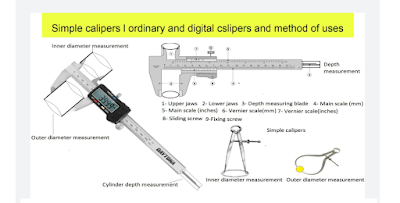
Simple calipers and vernier calipers, method of uses and calculations

Calipers: The calipers are very useful instruments. These instruments are used to measure the diameter of the cylinder, bore, bearing size, ...