Showing posts with label seven wheel take-up motion. Show all posts

Monday, June 21, 2021

सेवन व्हील टेक-अप मोशन ( seven wheel- take up motion )

 सेवन व्हील  टेक-अप मोशन:

इस टेक-अप मैकेनिज्म में सात व्हील  वाली ट्रेन का इस्तेमाल किया जाता है। सेवन व्हील्स टेक-अप मोशन एक रुक-रुक कर चलने वाली टेके आप मैकेनिज्म होती  है। यह तंत्र  स्ले सोर्ड  से गति प्राप्त करता है। जब क्रैंकशाफ्ट घूमता है, तो स्ले सोर्ड  क्रैंकशाफ्ट से आने-जाने की गति प्राप्त करती है।

एक कनेक्टिंग रॉड का उपयोग फिंगर  और  स्ले सोर्ड को जोड़ने के लिए किया जाता है। कनेक्टिंग रॉड के एक सिरे को बुश  और नट की मदद से स्ले सोर्ड  से फिट किया जाता है। कनेक्टिंग रॉड कनेक्टिंग पॉइंट पर स्वतंत्र रूप से घूम सकती है।

कनेक्टिंग रॉड का दूसरा सिरा स्ले सोर्ड  के  साथ बिंदु L पर फिंगर  से जुड़ा होता है।

फिंगर  L बिंदु K पर निकट निचले स्लॉट पर फलक्रम्ड होती  है।

जब स्ले  फ्रंट डेड सेंटर पोजीशन की ओर जाती है, तो फिंगर  के शीर्ष स्लॉट में स्वतंत्र रूप से लगा हुआ पुलिंग पॉल  रैचेट  व्हील ए के दांतों को खींचता है।

यह रैचेट  व्हील एक शाफ्ट पर लगा होता है। इस शाफ्ट पर एक अन्य स्टैण्डर्ड व्हील  B लगा हुआ होता  है।

पॉल जे को खींचते समय रैचेट  व्हील के दांत खींचे जाते हैं, स्टैण्डर्ड व्हील बी भी शाफ़्ट व्हील के साथ घूमता है।

रैचेट  व्हील के रिवर्स  घुमाव को रोकने के लिए पुशिंग पॉल  I का भी उपयोग किया जाता है।

स्टैण्डर्ड व्हील  बी शाफ्ट पर लगाए गए चेंज व्हील  सी को   कोणीय गति स्थानांतरित करता है। इस शाफ्ट के साथ एक चेंज  पिनियन डी भी लगाया जाता है।

चेंज व्हील C और चेंज पिनियन D एक साथ एक ही दिशा में घूमते हैं।

चेंज पिनियन डी एक शाफ्ट पर लगाए गए कंपाउंड  व्हील  ई को कोणीय गति प्रदान करता है। इस शाफ्ट पर एक कंपाउंड  पिनियन F भी लगाया जाता है। कंपाउंड व्हील और कंपाउंड पिनियन एक ही दिशा में घूमते हैं।

कंपाउंड पिनियन कोणीय गति को टेक-अप रोलर शाफ्ट पर लगे टेक-अप रोलर व्हील में स्थानांतरित करता है।

टेक-अप रोलर उसी दिशा में टेक-अप रोलर व्हील के साथ घूमता है।

जब कपड़ा रोलर घूमता है, तो यह उत्पादित होने वाले कपड़े को खींचता है।

इस मैकेनिज्म में आप अपनी जरूरत के अनुसार एक या दो पहिया बदल सकते हैं।

ए- रैचेट  व्हील

बी - स्टैण्डर्ड व्हील 

सी - चेंज व्हील 

डी - चेंज पिनियन 

ई - कंपाउंड व्हील

एफ - कंपाउंड पिनियन

जी - टेक अप रोलर व्हील

एच - टेक अप रोलर 

आई - पुशिंग पॉल 

जे - पुलिंग पॉल 

के - फिंगर फलक्रम

एल - फिंगर 

Sunday, June 20, 2021

फाइव व्हील टेक अप मोशन (एक सेकेंडरी लूम मोशन , five wheel take up motion( a secondary loom motion)

 फाइव व्हील टेक अप मोशन (एक सेकेंडरी लूम मोशन)


टेक अप मोशन एक सेकेंडरी लूम मोशन होता  है। टेक अप मोशन कपड़े की बुनाई लगातार  जारी रखने में मदद करता है। जब बुनाई के दौरान कपड़े को करघे पर बुना जाता है, तो इसे कपड़े में प्रति इंच पिक्स के अनुसार नियमित रूप से खींचा  जाता है। यह फैब्रिक पुलिंग (ड्राइंग) प्रक्रिया करघे के संचालन के दौरान जारी रहती है। यह खींचा हुआ कपड़ा हमें कपड़े के बीम या कपड़े के रोलर पर लपटता  है।

शटल लूम में, रुक-रुक कर  चलने बाले टेक अप मोशन का उपयोग किया जाता है। दरअसल करघे में दो तरह के टेक अप मोशन का इस्तेमाल किये  जाते  है।

1- इंटरमिटेंट टेक अप मोशन 

2 - कंटीन्यूअस टेक अप  मोशन 

इंटरमिटेंट टेकअप मोशन :

इस तरह के तंत्र में, एमरी रोलर लगातार नहीं घूमता है। जब अंतिम डाली गई पिक को रिड के द्वारा बीट किया  जाता है, तो टेक अप रोलर कपड़े को आगे की दिशा में खींचता है और कपड़े की बीम पर  लपेटने में  मदद देकरता है। फैब्रिक पुलिंग (ड्राइंग) रुक-रुक कर होती है।

शटल लूम में दो प्रकार के टेक अप  तंत्र का उपयोग किया जाता है:

१-पाँच व्हील  टेक अप मोशन

२-सात व्हील टेक अप मोशन 

 पाँच व्हील टेक अप मोशन :

 आई  - फल्क्रम 

जी - पुशिंग पॉल 

ई - रैचेट  व्हील

एफ -  चेंज पिनियन 

ए - बीम व्हील

बी - पिन रोलर या  टेक अप रोलर या एमरी रोलर 

एच - कैचर  

सी - स्टड व्हील

डी - स्टड पिनियन

जे - फिंगर 

फाइव व्हील टेक अप मोशन इंटरमिटेंट टेक अप मोशन होता  है। इस फाइव व्हील टेक अप मोशन मैकेनिज्म में पांच गियर वाली ट्रेन का इस्तेमाल किया जाता है। यह तंत्र एक कनेक्टिंग रॉड द्वारा स्ले सोर्ड  के माध्यम से गति प्राप्त करता है। कनेक्टिंग रॉड का एक सिरा स्टड की मदद से स्ले सोर्ड  से जुड़ा होता है। कनेक्टिंग रॉड का यह सिरा दोनों दिशाओं में घूमने के लिए स्वतंत्र होता है। इस कनेक्टिंग रॉड का दूसरा सिरा फिंगर  'J' के नीचे फलक्रम्ड होता  है।

जब क्रैंक घूमता   है, तो यह स्ले सोर्ड  को रोक्किंग मोशन  प्रदान करता है। कनेक्टिंग रॉड एक तरफ से स्ले सोर्ड  से जुड़ी होती है। जब स्ले फ्रंट डेड सेंटर से बैक डेड सेंटर की ओर बढ़ना शुरू करता है, तो स्ले अपने साथ जुड़ी हुई कनेक्टिंग रॉड को धक्का देना शुरू कर देता है।

जब कनेक्टिंग रॉड बैक डेड सेंटर की ओर जाती है, तो यह दूसरे सिरे से फल्क्रम  वाली फिंगर  'J' को धक्का देती है।

कनेक्टिंग रॉड फिंगर  'J' को धक्का देती है। चूँकि फिंगर  'J' बिंदु 'I' पर फलक्रम्ड होती  है, इसलिए यह फिंगर  'I' के फल्क्रम  पर कोणीय गति करती है। स्ले सोर्ड  की स्थिति के साथ फिंगर  के इस कोणीय आंदोलन की दिशा बदल जाती है।

पुशिंग पावल 'जी' फिंगर  'जे' के ऊपरी स्लॉट में लगा होता है। इस पुशिंग पॉवेल को स्टड की मदद से लगाया गया है। यह पॉल  इस स्टड पर स्वतंत्र रूप से चल सकता है।

जैसे ही फिंगर  बैक डेड सेण्टर की  ओर जाती है, धक्का देने वाला पॉल  रैचेट  व्हील 'ई' को कोणीय गति प्रदान करता है। रैचेट  व्हील  अब चलना शुरू करता है।

यह रैचेट  व्हील शाफ्ट पर लगा होता है। रैचेट  व्हील 'ई' शाफ्ट के साथ घूमता है। इस शाफ्ट पर एक चेंज पिनियन 'एफ' भी लगाया जाता है। चेंज  पिनियन 'F' और रैचेट  व्हील 'E' एक साथ उसी दिशा में घूमते हैं जैसा कि ऊपर दिए गए चित्र में दिखाया गया है।

रैचेट  व्हील के ऊपर एक कैच 'एच' (पुलिंग पॉल ) भी लगाया जाता  है। जब फिंगर  बैक डेड सेंटर की ओर वापस जाती है तो यह कैच रैचेट  व्हील की रिवर्स मोशन को रोकता है।

चेंज पिनियन  शाफ्ट पर लगे स्टड व्हील 'सी' को गति प्रदान करता है। इस शाफ्ट को स्टड व्हील से घुमाया जाता है। इस शाफ्ट के साथ एक और स्टड पिनियन 'डी' भी लगा होता  है। स्टड व्हील और स्टड पिनियन एक साथ घूमते हैं।

स्टड पिनियन बीम व्हील 'ए' के ​​साथ गीयर्ड होता है  और टेक अप  रोलर शाफ्ट के साथ जुड़ा हुआ  होता है। स्टड पिनियन बीम व्हील को गति प्रदान करता है। जब यह बीम व्हील  घूमता है, तो यह टेक अप रोलर 'बी' को  भी अपने साथ घुमाता है।

टेक अप रोलर घड़ी की विपरीत दिशा में घूमता है। चूंकि कपड़ा इसके ऊपर से गुजरता है, घूमता हुआ टेक अप रोलर रोलर कपडे को आगे की ओर  ले जाता है, और कपडा खींचता रहता है.

Tuesday, February 9, 2021

SEVEN WHEEL TAKE UP MOTION ( A SECONDARY LOOM MOTION)

 Seven wheel take-up motion:

In this take-up mechanism, a train of seven wheels is used. Seven wheels take-up motion is an intermittent take up motion.  This mechanism receives motion from the sley sword. When the crankshaft rotates, the slay sword receives to and fro motion from the crankshaft. 

A connecting rod is used to connect the finger and slay the sword. One end of the connecting rod is fitted with slay sword with the help of a bush and nut. The connecting rod can move freely at the connecting point.

The other end of the connecting rod is connected with the finger at point L with the same mechanism as slay sword joint. 

The finger L  is fulcrummed at the near bottom slot at point K.

When slay sword goes toward the front dead centre position, the pulling pawl freely mounted in the top slot of the finger pulls the teeth of ratchet wheel A.

This ratchet wheel is mounted on a shaft. Another standard wheel B gets mounted on this shaft.

When pulling pawl J pulls the teeth of the ratchet wheel, the standard wheel B  also rotates with the ratchet wheel.

A Pushing pawl I is also used to prevent backward rotation of the ratchet wheel.

The standard wheel B transfers angular motion to change wheel C fastened on the shaft. A change pinion D is also fastened with this shaft.

The change wheel C and change pinion D rotates in the same direction together.

The change pinion D imparts angular motion to the compound wheel E fastened on a shaft. A compound pinion F  is also fastened on this shaft. The compound wheel and compound pinion rotate in the same direction. 

The compound pinion transfers angular motion to the take-up roller wheel mounted on the take-up roller shaft. 

The take-up roller rotates with the take-up roller wheel in the same direction. 

When the cloth roller rotates, it draws the fabric to be produced.

In this mechanism, you can change one or two-wheel as you need.


A- Ratchet wheel

B - standard wheel

C - Change wheel

D - Change pinion

E -  Compound wheel

F - Compound pinion

G -  Take up roller wheel

H - Take up roller

I -  Pushing pawl

J -  Pulling pawl

K -  Finger fulcrum

L  - finger

Please click on the below video link to watch the full topic in Hindi:


You may also be interested in the following articles:


Let - off motion, secondary loom motion

Take - up motion, a secondary loom motion

Shedding motion, a primary loom motion

Picking motion, a primary loom motion

Beating motion, a primary loom motion

Schematic diagram of loom

Related articles:


FIVE WHEEL TAKE - UP MOTION ( A SECONDARY LOOM MOTION)

Five wheel take-up motion ( a secondary loom motion)

Take up motion is a secondary loom motion. The take-up motion helps to perform continuous weaving of fabric. When the fabric is woven on the loom during weaving, it is pulled ( drawn) regularly according to picks per inch in the fabric. This fabric pulling ( drawing) process continues during loom operation. This drawn cloth is wound on the cloth beam or cloth roller).

In shuttle loom, intermittent take up motion is used. Actually, there are two kinds of take-up motions used in the loom. 

1- Intermittent take-up motion
2 - Continues take-up motion.

Intermittent take-up motion

In this kind of mechanism, the emery roller does not rotate continuously. When the last inserted pick gets beaten by reed, the take-up roller draws the fabric in a forwarding direction and winds in on the cloth beam. The fabric pulling ( drawing) takes place intermittently. 

There are two types of mechanisms used in shuttle loom:

1 - Five wheel take-up motion
2 - Seven wheel take-up motion

1 - Five wheels take up motion:


 I - fulcrum
G - pushing pawl
E - ratchet wheel
F - change pinion
A - beam wheel
B - pin roller or take-up roller or emery roller
H - catcher
C - stud wheel
D - stud pinion
J - finger

Five wheels take-up motion is an intermittent take up motion. A train of five gears is used in this five wheel take-up motion mechanism. This mechanism receives the motion through slay sword by a connecting rod. One end of connecting rod gets connected to the sley sword with the help of a stud. This end of connecting rod gets free to rotate in both directions. The other end of this connecting rod is fulcrummed in the bottom of the finger 'J'. 

When the crank is rotated, it imparts rocking motion to the sley sword. The connecting rod is connected to the sley sword from one side. When the slay starts to move from front dead centre to back dead centre, the slay starts to push the connecting rod fulcrummed with it.

When connecting rod travels toward the back dead centre, it pushes the finger 'J' fulcrummed with the other end.

The connecting rod pushes the finger 'J'. Since the finger 'J' is fulcrummed at point 'I', so that finger makes the angular movement at fulcrum 'I'. The direction of this angular movement of the finger changes with the slay sword position.

The pushing pawl 'G' is mounted in the upper slot of the finger 'j'. This pushing pawl is mounted with the help of a stud. This pawl can move freely on this stud. 

As the finger goes toward the back dead centre, the pushing pawl impart the angular motion to ratchet wheel 'E'. The ratchet wheel starts to move now. 

This ratchet wheel is mounted on the shaft. The ratchet wheel 'E'  rotates with a shaft. A change pinion 'F' is also fastened on this shaft. The change pinion 'F' and ratchet wheel 'E' rotate together in the same direction as shown in the above figure.

A catch 'H' ( pulling pawl) is also fitted over the ratchet wheel. This catch prevents reverse motion of the ratchet wheel when the finger goes back toward the back dead centre. 

Change pinion imparts motion to stud wheel 'C' fastened on a shaft. This shaft is rotated with a stud wheel. Another stud pinion 'D' is also fastened with this shaft. The stud wheel and stud pinion rotate together. 

The stud pinion is geared with beam wheel 'A' fastened with a take-up roller shaft.  The stud pinion imparts motion to the beam wheel. When this beam wheel rotates, it revolves the take-up roller 'B' together.

The take-up roller rotates in an anti-clockwise direction. Since the fabric passes over this take-up roller so that it pulls ( draws) the fabric in a forwarding direction.

Please click on the below video link to watch the full topic in Hindi:


You may also be interested in the following articles:


Let - off motion, secondary loom motion

Take - up motion, a secondary loom motion

Shedding motion, a primary loom motion

Picking motion, a primary loom motion

Beating motion, a primary loom motion

Schematic diagram of loom

Related articles:


Featured Post

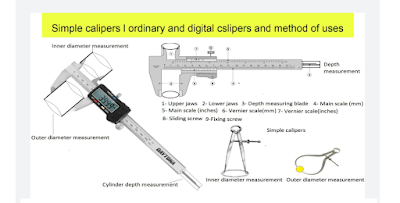
Simple calipers and vernier calipers, method of uses and calculations

Calipers: The calipers are very useful instruments. These instruments are used to measure the diameter of the cylinder, bore, bearing size, ...