Thursday, July 1, 2021
Friday, June 11, 2021
कपड़ा की टेंसाइल स्ट्रेंथ का परीक्षण ( Fabric tensile strength test )
कपड़ा की टेंसाइल स्ट्रेंथ का परीक्षण:
कपड़े की टेंसाइल स्ट्रेंथ:
जब कपड़े पर खिंचाव बल (भार) लगाया जाता है, तो वह लम्बा होने लगता है। जैसे-जैसे खिंचाव बल (भार) धीरे-धीरे बढ़ता है, कपडे की लम्बाई भी बढ़ती जाती है। जब खिंचाव बल की मात्रा एक निश्चित बिंदु तक पहुँच जाती है, तो कपड़ा टूटने लगता है। अब हम कह सकते हैं कि फैब्रिक की टेन्साइल स्ट्रेंथ स्ट्रेचिंग फोर्स (लोड) की वह मात्रा है जिस पर स्ट्रेचिंग बल लगने की स्थिति में फैब्रिक टूट जाता है। इसे न्यूटन, पाउंड या किलोग्राम-बल में मापा जाता है। यह यार्न की ताकत, सामग्री के प्रकार या कपड़े के प्रति वर्ग इंच में धागों की संख्या पर निर्भर करता है। कपड़े की टेंसाइल स्ट्रेंथ ताना और बाने की दिशा में अलग-अलग निकाली जाती है।
सिंथेटिक कपड़ों में प्राकृतिक कपड़ों की तुलना में बेहतर टेंसाइल स्ट्रेंथ होती है।
महीन और लंबे स्टेपल रेशों से बने कपड़े में मोटे और छोटे रेशों की तुलना में अधिक टेंसाइल स्ट्रेंथ होती है।
यदि दो कपड़ों की ताना और बाने की काउंट समान है, तो प्रति वर्ग इंच में अधिक धागे वाले कपड़े में उच्च टेंसाइल स्ट्रेंथ होती है।
कपड़ा की टेंसाइल स्ट्रेंथ का परीक्षण:
फैब्रिक टेन्साइल स्ट्रेंथ के परीक्षण के लिए दो प्रकार की विधियों का उपयोग किया जाता है:
1 - स्ट्रिप टेस्ट
2 - ग्रैब टेस्ट
स्ट्रिप टेस्ट:
इस परीक्षण में, नमूने की पूरी चौड़ाई को पकड़ने वाले जबड़ों के बीच पकड़कर कपडे को लम्बाई में खींचा जाता है। संपूर्ण परीक्षण नीचे दिए गए चरणों में पूरा किया जाता है:
प्रयुक्त उपकरण:
1- फैब्रिक टेंसाइल स्ट्रेंथ टेस्टर
2- फैब्रिक स्वैच
3- कैंची
४ - मार्किंग पेन
5- आवर्धक काँच
6- अंकन टेम्पलेट
7- सुई
नमूना तैयार करना:
कपड़े की टेंसाइल स्ट्रेंथ ताना और बाने की दिशा में अलग-अलग निर्धारित की जाती है।
सबसे पहले मैग्नीफाइंग ग्लास की मदद से कपड़े के ताना और बाने की दिशा को ध्यान से पहचाना जाता है।
अब, परीक्षण मानक के अनुसार ताना और बाने दिशाओं से कई नमूने तैयार किए जाते हैं। प्रत्येक दिशा से 5 नमूने तैयार किए जाते हैं।
कई परीक्षण मानक प्रक्रियाओं में, परीक्षण नमूने की लंबाई 200 मिमी या 8 इंच रखी जाती है और नमूने की चौड़ाई 50 मिमी या 2 इंच रखी जाती है।
ग्रिपिंग मार्जिन को टेस्टिंग इंस्ट्रूमेंट के ग्रिपिंग जॉ के अनुसार लंबाई की दिशा में भी लिया जाता है।
नमूनों के ताना या बाने के धागों को सुई की मदद से चौड़ाई के किनारों के किनारों के धागों को हटाकर संरेखित किया जाता है। आप नीचे दी गई तस्वीरों को देख सकते हैं:

परीक्षण विधि:
सबसे पहले, ताना के नमूनों का एक-एक करके परीक्षण किया जाता है। नमूना को स्थिर और चल पकड़ने वाले जबड़े के बीच सावधानी से कस दिया जाता है। कृपया नीचे दी गई तस्वीर देखें:

दोनों पकड़ने वाले जबड़ों के बीच नमूना लंबाई 200 मिमी सटीक रूप से रखी जाती है।
अब, लोड सेल की रीडिंग आराम की स्थिति में देखी जाती है।
बिजली की आपूर्ति अब चालू की जाती है।
मूवेबल जबड़े यात्रा करना शुरू करते हैं और वे नमूने पर एक खिंचाव बल लगाते हैं।
जब खिंचाव बल एक निश्चित सीमा तक पहुँच जाता है, तो नमूना टूट जाता है।
ब्रेकिंग लोड स्वचालित रूप से लोड सेल में दर्ज हो जाता है।
तोड़ने वाला बल अब नोट किया गया है।
अंतिम रीडिंग और प्रारंभिक रीडिंग के बीच के अंतर की गणना की जाती है।
यह अंतर कपड़े की टेंसाइल स्ट्रेंथ होती है।
ग्रैब टेस्ट:
इस विधि में नमूने का आकार 6” x 4” रखा जाता है। नमूना की चौड़ाई के बीच का केवल एक इंच भाग ही स्थिर और चलने योग्य पकड़ने वाले जबड़े से पकड़ा जाता है। खिंचाव बल केवल एक इंच चौड़ी पट्टी पर लगाया जाता है। नमूना चौड़ाई के दोनों किनारों पर 1.5 ” का मार्जिन नमूना के ऊपर और नीचे की तरफ अनक्लेम्प्ड रखा जाता है। दोनों ग्रिपिंग जॉ के बीच की दूरी 6" रखी जाती है है। बाकी परीक्षण विधि स्ट्रिप टेस्ट के समान हो जाती है। आप नीचे दी गई तस्वीर से क्लैम्पिंग विधि को समझ सकते हैं:

Thursday, June 10, 2021
Fabric tensile strength test
Fabric tensile strength test:
Tensile strength of fabric:
When the stretching force (load) is applied to the
fabric, it begins to elongate. As the stretching force (load) increases
gradually, the elongation also increases. When the amount of stretching force
reaches a certain point, the fabric begins to break. Now we can say that the tensile strength of the fabric is the amount of
stretching force (load) at which the fabric begins to break when it comes under
stretching conditions. It is measured in Newtons, pounds, or kilogram-force. It depends upon the yarn strength, material type or
thread count per square inch of the fabric etc. The tensile strength of the
fabric is determined separately in the warp and weft direction.
Synthetic fabrics have better tensile strength than
natural fabrics.
The fabric made of fine and long-staple fibres poses
higher tensile strength than coarse and short fibres.
If the warp and the weft count of two fabrics are
same, then the fabric having more threads per square inch will give a higher
tensile strength.
Fabric tensile strength test:
There are two types of methods used for testing of
fabric tensile strength:
11 - Strip test
22 - Grab test
Strip test:
In this test, the full width of the specimen is
gripped between gripping jaws and stretched. The whole test is completed in
below steps:
Apparatus used:
11- Fabric tensile strength tester
22- Fabric swatch
33- Scissor
44- Marking pen
55- Magnifying glass
66- Marking template
77- Needle
Specimens preparation:
The fabric tensile strength is determined in warp
and weft direction separately.
First of all, the warp and weft direction of the
fabric is identified carefully with the help of magnifying glass.
Now, a number of specimens from warp and weft
directions are prepared according to the testing standard. 5 specimens from each direction are prepared.
In many testing standard procedures, the length of
the test specimen is kept 200 mm or 8 inches and the width of the specimen is
kept 50 mm or 2 inches.
The gripping margin is also taken in the length
direction according to the gripping jaws of the testing instrument.
The warp or weft threads of the specimens are aligned by removing the threads of edges of width sides with the help of a needle. You can see the below pictures:
Testing method:
First of all, the warp specimens are tested one by
one. The specimen is tightened between fixed and movable gripping jaws
carefully. please see the below picture:
The specimen length between both gripping jaws is
kept 200 mm accurately.
Now, the reading of the load cell is observed in
relaxed condition.
The power supply is switched on now.
The movable jaws begin to travel and they apply a
stretching force upon the specimen.
When the stretching force reaches a certain limit,
the specimen gets broken.
The breaking load is recorded automatically in the
load cell.
The breaking force is noted now.
The difference between the last reading and initial
reading is calculated.
This difference is the tensile strength of the fabric.
Grab test:
Please click on the below video link to watch this full topic in Hindi:
You may also be interested in the below articles:
Yarn twist testing
CROCKING OR RUBBING FASTNESS TEST:
YARN APPEARANCE TEST
TESTING OF YARN COUNT FROM FABRIC SWATCH BY BEESLEY BALANCE
TESTING OF AIR PERMEABILITY OF FABRIC BY SHIRLEY AIR PERMEABILITY TESTER
TESTING OF BOWING OR SKEWING IN THE FABRIC
TESTING OF FABRIC THICKNESS
TESTING OF FABRIC BURSTING STRENGTH TEST BY DIAPHRAGM HYDRAULIC BURSTING STRENGTH TESTER
FABRIC TEARING STRENGTH TESTING BY FALLING PENDULUM TYPE TESTER
FABRIC STIFFNESS AND FLEXURAL RIGIDITY TESTING AND CALCULATION
Featured Post
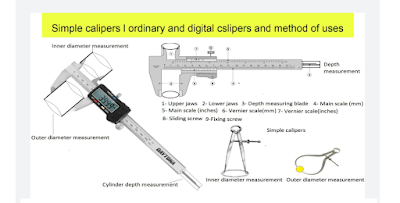
Simple calipers and vernier calipers, method of uses and calculations
Calipers: The calipers are very useful instruments. These instruments are used to measure the diameter of the cylinder, bore, bearing size, ...
-
 If you are searching for genuine hand woven, sustainable, and eco – friendly warm shawls, stoles, and scarves, the Himalayan weavers is off...
 -
 please click on the below link to read this article in Hindi यार्न की परिभाषा और यार्न के विभिन्न प्रकार या यार्न का वर्गीकरण VARIOUS TYPE...
 -
 CARDING: The carding is the second process of spinning which converts fed material (lap) into the uniform strand of fibres called “...
 -
 please click on the below link to read this article in Hindi एक सिस्टम से दूसरे सिस्टम में यार्न काउंट का रूपांतरण CONVERSION OF YARN COUN...