Friday, July 30, 2021
Thursday, July 29, 2021
Wednesday, July 21, 2021
यार्न नमूनाकरण विधि (Yarn sampling method)
Please click on the below link to read this full article in English:
Yarn sampling method
यार्न नमूनाकरण विधि:
यार्न विभिन्न पैकेज रूपों में उपलब्ध होता है। बड़ी संख्या में ऐसे पैकेजों में एक छोटी संख्या का चयन एक बड़ी समस्या होती है। यार्न रिंग बॉबिन, मुल कॉप्स, हैंक्स का एक बंडल, चीज़ या कोन के रूप में हो सकता है। यार्न टेस्ट करने के दौरान रैंडम सैंपलिंग को प्राथमिकता दी जाती है। इस प्रकार का नमूना प्राप्त करने के दौरान मिल प्रयोगों और अनुसंधान के लिए बहुत सावधानी बरना सुनिश्चित किया जाता है। टेस्टिंग के दौरान समय की बचत और प्रयास की मितव्ययिता के हित में ताश के पत्तों और यादृच्छिक संख्याओं की तालिकाओं के माध्यम से सैंपलिंग के दौरान होने वाली गलतियों को निम्न स्तरपर लेन का प्रयास किया जाता है। यह अनुमान नहीं लगाया जाना चाहिए किमिल के अंदर टेस्टिंग के नमूने पक्षपाती होते हैं। शोध कार्य की तुलना में केवल थोड़े से कम परिष्कृत होते है।
यादृच्छिक संख्या तालिका का उपयोग:
मान लीजिए कि 50 रिंग बॉबिन परीक्षण के लिए उपलब्ध हैं। हमें परीक्षण के लिए 10 बॉबिन का चयन करना है । सबसे पहले प्रत्येक बॉबिन को एक सीरियल नंबर दिया जाता है या सभी बॉबिन को टेबल के ऊपर रख दिया जाता है। इन बोबिन्स को पाँच पंक्तियों में व्यवस्थित किया जाता है। बॉबिन की प्रत्येक पंक्ति में 10 बॉबिन होते हैं। अब यादृच्छिक नमूना संख्या तालिका के अनुसार बल्क मटेरियल से बॉबिन का चयन किया जाता है।

हम उपरोक्त तालिका में कहीं से भी संख्याओं को जोड़ियों में पढ़ना शुरू करते हैं। मान लीजिए कि हम पंक्ति संख्या दो से पढ़ना शुरू करते हैं। इस पंक्ति की पहली संख्या 74 है। ७४, ५० से बड़ा है इसलिए हम इसे अनदेखा कर देते हैं। इसके बाद ४९ आता है। सबसे पहले, हम बल्क से बोबिन नंबर ४९ का चयन करते हैं। अगली संख्या ०४ है जो 50 से कम है। इसलिए बॉबिन नं ०४ का चयन किया जाता है । हम टेबल को लगातार पढ़ते रहते हैं और उसी के अनुसार बोबिन्स का चुनाव करते जाते हैं। यदि कोई संख्या पचास से अधिक है, तो उसे अनदेखा कर दिया जाता है और अगली संख्या पर विचार किया जाता है। दिए गए बल्क के लिए चयनित बॉबिन नंबर इस प्रकार होंगे:
४९, ०४, ०३, १०, ३३, ११, ४८, ३८, ३१, २३।
जब आप अगली संख्या का चयन करते हैं तो पहले से चयनित होने वाली संख्याओं को भी अनदेखा कर दिया जाता है।
Yarn sampling method
Please click on the below link to read this full article in Hindi:
Yarn sampling method:
The yarn gets available in different package forms. The selection of a small number of such packages from a large number is a big problem. The yarn may be in the form of ring bobbins, a skip of mule cops, a bundle of hanks and cheeses or cone forms. Random sampling is preferred. Great care is taken for mill experiments and research to ensure that this kind of sample is obtained. Niceties of randomisation by means of packs of cards and tables of random numbers are sacrificed in the interest of speed and economy of effort. It must not be inferred that routine mill samples are therefore biased. The randomisation is merely less refined than in the research work.
Use of random numbers table:
Suppose that 50 ring bobbins are available for testing. We have to select the 10 bobbins for testing. A serial number is given to each bobbin or all the bobbins are placed over the table. These bobbins are arranged in five rows. Each row of bobbins has 10 bobbins. Now the bobbins are selected from the bulk according to the random sampling number table.
 We start to read numbers in pairs from anywhere in the above table. Suppose that we start reading from row number two. The first number of this row is 74. 74 is greater than 50 so that we ignore it. Next comes 49. First of all, we select bobbin no 49 from the bulk. The next number is 04 that is less than 50. Therefore bobbin no. 04 will be selected. We keep the reading of the table continuously and select the bobbins accordingly. If a number is more than fifty, it is ignored and the next number is considered. The selected bobbin numbers for the given bulk will be as below:49, 04, 03, 10, 33, 11, 48, 38, 31,23.The numbers getting already selected are also ignored while you select the next number.
Please watch the below video to learn this topic in Hindi:
You may also be interested in the below articles:
कपास फाइबर गुणों के लिए नमूनाकरण विधि ( sampling methods for cotton fibtres)
कपास फाइबर गुणों के लिए नमूनाकरण विधि:
फाइबर गुणों के परीक्षण के लिए नमूना विधि का चयन उपलब्ध फाइबर के रूप पर निर्भर करता है। इस प्रकार फाइबर बेल, स्लाइबर, कार्डिंग वेव और यार्न वगैरह के लिए विभिन्न प्रकार की सैंपलिंग विधियों या तकनीकों का उपयोग किया जाता है। फाइबर के विभिन्न रूपों से प्राप्त परीक्षण के परिणाम आवश्यक रूप से समान नहीं होते हैं। नमूना लेने के दौरान त्रुटियों के दो स्रोत हो सकते हैं:
1 - यादृच्छिक त्रुटि
2 - पूर्वाग्रह के कारण त्रुटि
जब हम रेशों का नमूना लेते हैं, तो फाइबर मिश्रण और सम्मिश्रण की मात्रा बहुत महत्वपूर्ण हो जाती है। यदि हम ड्रॉ फ्रेम स्लिवर से नमूना लेते हैं और नमूना बल्क मटेरियल के एक क्षेत्र से लिया जाता है, तो हम मानते हैं कि चुने गए नमूने में सभी बल्क के सभी भागो से फाइबर होते हैं।
सीमित फाइबर मिश्रण के मामले में, एक प्रतिनिधि परीक्षण नमूना प्राप्त करने के लिए नमूने बल्क मटेरियल के सभी हिस्सों से लिए जाते हैं। इसे ज़ोनिंग सैंपलिंग कहा जाता है।
फाइबर नमूने के लिए तकनीकों के प्रकार:
फाइबर सैंपलिंग की तकनीकों के प्रकार नीचे दिए गए हैं:
स्क्वेरिंग तकनीक:
इस सैंपलिंग विधि में, स्लिवर को एक वेब के रूप में खोल दिया जाता है। अब इस फाइबर वेब को काले मखमली पैड पर रखा जाता है। ज़ुल्फ़ का अंत चुकता है। इन तंतुओं को नियंत्रित करने के लिए कांच की एक प्लेट को इन तंतुओं के ऊपर रखा जाता है। एक छोटा फ्रिंज प्लेट के बाहर प्रक्षेपित होता हुआ छोड़ दिया जाता है। अब, सभी उभरे हुए तंतुओं को हटा दिया जाता है और बाहर निकाल दिया जाता है।
कांच की प्लेट को थोड़ा पीछे की ओर ले जाया जाता है और एक दूसरा फ्रिंज हटा दिया जाता है। जाहिर है, हद तक पूर्वाग्रह से बचा जाता है। चूंकि तंतुओं के सभी सिरों को एक निश्चित आयतन में समाप्त कर दिया गया है। ऑपरेशन को तब तक दोहराना आवश्यक होता है जब तक कि प्लेट किनारे की अंतिम स्थिति कम से कम अपनी मूल स्थिति से मौजूद सबसे लंबे फाइबर की लंबाई के बराबर दूरी न हो। यह आवश्यक है क्योंकि जब भी कोई किनारा टूटता है तो प्रत्येक टूटे हुए फ्रिंज पर लंबे तंतुओं का पूर्वाग्रह होता है।
कट स्क्वेरिंग तकनीक:
जहां सामग्री समानांतर क्रम में फाइबर से बनी हुई होती है (स्लीवर, रोइंग और यार्न) एक संशोधित स्क्वेरिंग तकनीक का उपयोग किया जा सकता है। सबसे पहले, सामग्री के ट्विस्ट को खोला जाता है। अब, रेशों को एक काले मखमली पैड पर समानांतर क्रम में बिछाया जाता है। इन तंतुओं के ऊपर एक कांच की प्लेट रखी जाती है, जिसके किनारे किनारे की धुरी के समकोण पर होते हैं। फ्रिंज को कैंची से जितना संभव हो कांच की प्लेट के पास काटा जाता है और जिन रेशों का कट एंड प्रोजेक्ट होता है उन्हें बल द्वारा हटा दिया जाता है और त्याग दिया जाता है। यह ऑपरेशन दोहराया जाता है। अंत में, कांच की प्लेट के तीसरे आंदोलन के बाद, फ्रिंज को हटा दिया जाता है और नमूने के रूप में उपयोग किया जाता है।
रॉ कॉटन के लिए जोनिंग तकनीक:
यदि अधिकांश सामग्री सजातीय नहीं है, तो बल्क में विभिन्न स्थानों से यादृच्छिक रूप से कई उप-नमूने लिए जाते हैं। उप-नमूनों की संख्याबल्क मटेरियल की विविधता की डिग्री पर निर्भर करती है और प्रयोग द्वारा या अनुभव से ज्ञात हो सकती है। बल्क सामग्री से नमूना लेते समय, जैसे कि कच्चे कपास की गठरी, बेल के विभिन्न भागों से एक-एक करके रेशों की आवश्यक संख्या को यादृच्छिक रूप से लिया जाना चाहिए। चूंकि यह अव्यावहारिक है, इसलिए हम एक ऐसी प्रणाली का उपयोग करते हैं जिसका उद्देश्य अभी भी बल्क के अधिक से अधिक भागों से नमूना लेना है। जोनिंग तकनीक की नमूना प्रक्रिया नीचे दी गई है:
1 - लगभग दो औंस का एक नमूना। जहाँ तक संभव हो, बल्क से लगभग अस्सी बड़े टफ्ट को चुनकर तैयार किया जाता है।
2 - इस नमूने को चार बराबर भागों में बांटा गया है
3 - अब, प्रत्येक चौथाई भाग से सोलह छोटे टफ्ट्स (प्रत्येक 20mgs।) लिए जाते हैं।
४ - प्रत्येक टफ्ट को चार बार आधा किया जाता है और बारी-बारी से दाएं और बाएं हाथों से ड्राफ्टिंग किया जाता है और क्रमिक पड़ावों के बीच एक समकोण के माध्यम से टफ्ट को मोड़ दिया जाता है। इस प्रकार प्रत्येक तिमाही नमूने से सोलह वाइप्स तैयार किए जाते हैं।
5 - अब, वाइप्स के प्रत्येक सेट को एक गुच्छे में संयोजित किया जाता है।
६ - अब बारी-बारी से प्रत्येक गुच्छों को उंगलियों के बीच डबल करके और खींचकर मिलाया जाता है।
7 - इसके बाद प्रत्येक टफ्ट को चार भागों में बांटा जाता है।
8 - पूर्व के प्रत्येक गुच्छे के एक भाग को मिलाकर चार नए गुच्छे प्राप्त होते हैं।
9 - अब हर नए टफ्ट को फिर से डबल करके और ड्रॉ करके मिला दिया जाता है।
10 - अब, अंतिम नमूना बनाने के लिए प्रत्येक गुच्छे से एक चौथाई भाग लिया जाता है।

Sunday, July 18, 2021
Sampling method for cotton fibre properties:
Please click on the below link to read this full article in Hindi:
कपास फाइबर गुणों के लिए नमूनाकरण विधि
Sampling method for cotton fibre properties:
The selection of
the sampling method for testing fibre properties depends upon the form of
the available fibres. In this way, different types of sampling methods or
techniques are used for fibre bale, sliver, carding wave, and yarn etcetera.
The test results obtained from different forms of fibre do not get necessarily
identical. There may be two sources of errors during sampling:
1 - Random error
2 - Error due to
bias
When we do a sampling of fibres, the degree of fibre mixing and blending gets very crucial.
If we pick up the sample from the draw frame sliver and the sample is picked
from one region of the bulk, we assume that the picked sample contains fibres
from all of the original supply.
In case of limited
fibre mixing, the samples are taken from all parts of the bulk in order to
achieve a representative test sample. It is called zoning sampling.
Types of
techniques for fibre sampling:
The types of
techniques for fibre sampling are given below:
Squaring
technique:
In this sampling
method, the sliver is opened out into a web. Now his web is placed on a black
velvet pad. The end of the sliver is squared off. A plate of glass is placed
over these fibres to control them. A small fringe is left projecting beyond the
plate. Now, all the protruding fibres are removed and discarded.
The glass plate is
moved back to little and a second fringe is removed. Apparently, the extent of bias has been avoided. Since all the ends of the fibres have been terminated in
a given volume. It is necessary to repeat the operation until the final
position of the plate edge was at least a distance equal to the length of the
longest fibre present from its original position. This is necessary because
whenever a strand gets broken there is a bias of long fibres at each broken
fringe.
Cut squaring
technique:
Where the material
is composed of fibres in the parallel order (sliver, roving, and yarn) a
modified squaring technique can be used. First of all, the twist of material is
untwisted then is opened out a little. Now, the fibres are laid in parallel
order on a black velvet pad. A glass plate is placed over these fibres with its
leading-edge at right angles to the strand axis. The fringe is cut across with
scissors as near to the glass plate as possible and the fibres whose cut ends project
are removed by force and discarded. This operation is repeated. finally, after
the third movement of the glass plate, the fringe is removed and used as a
sample.
Zoning technique
for raw cotton:
If the bulk of the
material is not homogeneous, a number of subsamples are taken at random from
different places in the bulk.
The number of
subsamples depend upon the degree of heterogeneity of the bulk and may be
found by experiment or known by experience.
When sampling from
bulk material, such as a bale of raw cotton, the required number of fibres
should be taken one by one at random from different parts of the bale. Since it
is impracticable, we use a system whose object is still to sample from as many
parts of the bulk as possible. The sampling procedure of the zoning technique
is given below:
1 - A sample of approximately two ozs. is
prepared by selecting about eighty large tufts chosen, so far as is possible,
over the bulk.
2 - This sample is
divided into four equal parts
3 - Now, sixteen
small tufts (each 20mgs.) are taken from each quarter.
4 - Each tuft
is halved four times and is discarded alternately with right and left hands
and turning the tuft through a right angle between successive halvings. Sixteen
wipes are thus produced from each quarter sample.
5 - Now, each set
of wipes is combined into a tuft.
6 - Now each tuft
is mixed in turn by doubling and drawing between the fingers.
7 - Next, each
tuft is divided into four parts.
8 - Four new tufts
are obtained by combining a part of each of the former tufts.
9 - Now each new
tuft is mixed again by doubling and drawing.
10 - Now, a
quarter from each tuft is taken to make a final sample.

Please click on the below link to watch the full video in Hindi:You may also be interested in the below articles:
LINEN ( FLAX) FIBRE, CULTIVATION OF FLAX FIBRE, CHARACTERISTICS OF LINEN FIBRES, USES OF LINEN FIBRES
EVALUATION OF COTTON FIBRE FINENESS
EVALUATION OF COTTON FIBRES MATURIY
Cotton fibre fineness test by Shirley fineness tester
YARN COUNT TESTING AND YARN TENSILE STRENGTH TESTING, CSP OF YARN
Featured Post
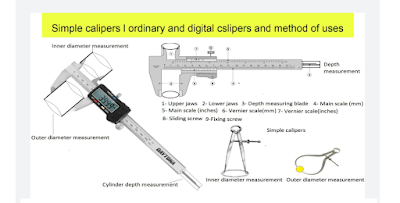
Simple calipers and vernier calipers, method of uses and calculations
Calipers: The calipers are very useful instruments. These instruments are used to measure the diameter of the cylinder, bore, bearing size, ...
-
 If you are searching for genuine hand woven, sustainable, and eco – friendly warm shawls, stoles, and scarves, the Himalayan weavers is off...
 -
 please click on the below link to read this article in Hindi यार्न की परिभाषा और यार्न के विभिन्न प्रकार या यार्न का वर्गीकरण VARIOUS TYPE...
 -
 CARDING: The carding is the second process of spinning which converts fed material (lap) into the uniform strand of fibres called “...
 -
 please click on the below link to read this article in Hindi एक सिस्टम से दूसरे सिस्टम में यार्न काउंट का रूपांतरण CONVERSION OF YARN COUN...