Sunday, July 18, 2021
Friday, July 16, 2021
Sunday, May 30, 2021
एयर-जेट लूम वेफ्ट इंसर्शन सिस्टम की संरचना और कार्य सिद्धांत( Structure and working principle of air-jet loom weft insertion system)
एयर-जेट लूम वेफ्ट इंसर्शन सिस्टम की संरचना और कार्य सिद्धांत
एयर जेट लूम वेफत इंसर्शन सिस्टम:
एयर-जेट लूम में संपीड़ित हवा की एक धारा की मदद से वेफ्ट इंसर्शन किया जाता है। यह वेफ्ट इंसर्शन विधि लूम को उच्च गति और अच्छी फैब्रिक गुणवत्ता प्राप्त करने में सक्षम बनाती है। एयर-जेट लूम में बहुत कम रखरखाव लागत आती है। एयर-जेट लूम में उच्च लूम दक्षता भी प्राप्त होती है। एयर-जेट लूम का मुख्य नुकसान उच्च बिजली की खपत और कंप्रेसर की अतिरिक्त लागत और इसके रखरखाव का है। बाने के रंगों की संख्या सीमित है। एयर जेट लूम में मुख्य रूप से टैपेट शेडिंग मोशन का उपयोग किया जाता है। जब हम डॉबी या जैकार्ड शेडिंग का उपयोग करते हैं, तो लूम की गति कम हो जाती है। आप नीचे दी गई तस्वीर में देख सकते हैं:

एयर-जेट वेफ्ट इंसर्शन सिस्टम में वेफ्ट यार्न पैसेज:
वेफ्ट यार्न पैकेज को क्रील पर रखा जाता है। बाने के पैकेजों की संख्या कपड़े में इस्तेमाल होने वाले बाने के रंगों की संख्या पर निर्भर करती है। जब कपड़े में एक से अधिक प्रकार के वेट काउंट का उपयोग किया जाता है तो यार्न के पैकेज भी बढ़ जाते हैं।
इसके बाद, वेफ्ट यार्न वेफ्ट एकुमुलेटर से गुजरता है जो वेफ्ट इंसर्शन के दौरान स्थिर तनाव पर नियमित वेफ्ट सप्लाई सुनिश्चित करता है।
अंत में, बाने का धागा मुख्य नोजल में प्रवेश करता है और वहीं टिका होता है।
एयर-जेट लूम वेफ्ट इंसर्शन साइकिल:
जब रीड बैक डेड सेंटर पोजीशन की ओर बढ़ता है और स्ले की स्थिर रहने की अवधि शुरू होती है, तो वेफ्ट इंसर्शन चक्र शुरू होता है। सबसे पहले वेफ्ट एकुमुलेटर का वेफ्ट ब्रेक खुल जाता है। अब मेन नोजल की एयर सप्लाई चालू हो जाती है। मुख्य नोजल से निकलने वाली संपीड़ित हवा की धारा बाने के धागे को शेड के अंदर धकेलती है। वेफ्ट यार्न एक निश्चित पैसेज का अनुशरण करता है। इस उद्देश्य के लिए एक प्रोफ़ाइल रीड का उपयोग किया जाता है जैसा कि नीचे योजनाबद्ध आरेख में दिखाया गया है। अब रिले नोजल सेकंड के कुछ अंश के बाद एक के बाद एक कार्य करती है। जैसे ही बाने की यात्रा पूरी होती है, बाने का ब्रेक तुरंत बंद हो जाता है और एयर स्ट्रेच नोजल बाने के धागे की पूंछ को अपने अंदर खींच लेता है। इसके बाद रीड बीटिंग पोजीशन की ओर बढ़ना शुरू कर देता है और आखिरी डाली गई पिक को बीट कर देता है। जैसे ही रीड कपड़े के फेल ऑफ़ दा क्लॉथ से दूर जाने लगता है, फिलिंग कटर वेफ्ट के धागे को काट देता है। यह चक्र लगातार दोहराया जाता है। आप नीचे दिए गए चित्र से बाने के सम्मिलन चक्र को समझ सकते हैं:
एयर-जेट वेट इंसर्शन सिस्टम की संरचना और कार्य सिद्धांत:
एयर जेट लूम का कार्य सिद्धांत बहुत सरल है। धागे को शेड में डालने के लिए संपीड़ित हवा का उपयोग किया जाता है। मुख्य वेफ्ट इंसर्शन मैकेनिज्म आमतौर पर ज्यादातर लूम्स में बाईं ओर लगा होता है।
वेफ्ट यार्न पैकेज को क्रील पर रखा जाता है। क्रील पर चार पैकेज लगे हो सकते हैं। यह संख्या लूम के स्पेसिफिकेशन्स के अनुसार भिन्न भी हो सकती है। प्रत्येक वेफ्ट यार्न पैकेज के लिए वेफ्ट क्रील पर एक वेफ्ट टेंशनर और थ्रेड गाइड लगे होते हैं। थ्रेड गाइड वेफ्ट एकुमुलेटर की ओर बाने का निश्चित और सुरक्षित मार्ग प्रदान करता है। चूंकि वेफ्ट इंसर्शन के दौरान वेफ्ट यार्न बहुत जल्दी जल्दी वेफ्ट पैकेज से अंवाइंड होता है, इसलिए प्रत्येक वेफ्ट यार्न पैकेज के लिए बैलून सेपरेटर का भी उपयोग किया जाता है।
इसके बाद में वेफ्ट एकुमुलेटर आता है। इसे चौकोर या गोल पाइप फ्रेम पर लगाया गया है। इस फ्रेम पर एकुमुलेटर के ऊपर टाइट किया जाता है। वेफ्ट ेकुमुलेटर्स की संख्या कपड़े में उपयोग किए जाने वाले वेफ्ट के रंगों की संख्या पर निर्भर करती है। यह वेफ्ट एकुमुलेटर इंसर्शन प्रक्रिया के दौरान स्थिर यार्न टेंशन पर वेफ्ट यार्न की निरंतर आपूर्ति सुनिश्चित करता है। वेफ्ट एकुमुलेटर एयर-जेट लूम में आवश्यक पिक लेंथ भी तय करता है। सबसे पहले, प्रयुक्त रीड स्पेस को मापा जाता है। अब एकुमुलेटर ड्रम की परिधि की गणना की जाती है। जरुरी वेफ्ट कॉइल्स की संख्या की गणना उपरोक्त दोनों मापदंडों की मदद से की जाती है। कॉइल की यह संख्या नियंत्रण कंप्यूटर में दर्ज की जाती है। कॉइल्स की संख्या एक पूर्ण संख्या होनी चाहिए। यदि हमारी आवश्यक वेफ्ट कॉइल्स की संख्या एक पूर्ण संख्या नहीं है, तो एकुमुलेटर ड्रम का व्यास समायोजित किया जाता है और पूर्ण संख्या ज्ञात की जाती है। एकुमुलेटर ड्रम के ऊपर एक वेफ्ट ब्रेक भी लगाया जाता है। जब वेफ्ट इंसर्शन होता है, तो कंट्रोल कंप्यूटर शेड में डाले जाने वाले वेफ्ट कॉइल्स की संख्या को गिनता है। जैसे ही कॉइल डालने की संख्या प्रीसेट वैल्यू तक पहुंच जाती है, कंट्रोल कंप्यूटर तुरंत वेफ्ट ब्रेक को सक्रिय करने के लिए एक कमांड भेजता है। यह वेफ्ट ब्रेक अगले संकेत तक बाने की आपूर्ति को रोकता है। वेफ्ट ब्रेक टाइमिंग को कंट्रोल कंप्यूटर में भी दर्ज किया जाता है।

अगला काम मुख्य नोजल का होता है । यह मुख्य नोजल संपीड़ित हवा की आपूर्ति से जुड़ा है। मेन नोजल की हवा की आपूर्ति नियंत्रण कंप्यूटर द्वारा चुंबकीय वाल्व के माध्यम से नियंत्रित की जाती है। एक वायु दाब नियामक वाल्व मुख्य नोजल के वायु दाब को नियंत्रित करता है। बाने का धागा मुख्य नोजल के अंदर ठहरा होता है। जब कंट्रोल कंप्यूटर चुंबकीय वाल्व को एक कमांड भेजता है, तो मुख्य नोजल की वायु आपूर्ति चालू हो जाती है। संपीड़ित हवा बाने के धागे को शेड के अंदर ले जाती है।

अकेला मुख्य नोजल बाने के धागे को एक सेल्वेज से दूसरे सेल्वेज तक शेड के अंदर में नहीं डाल सकता है। इसीलिए बहुत सारे रिले नोजल स्ले पर लगे होते हैं। ये रिले नोजल संपीड़ित हवा की आपूर्ति से जुड़े होते हैं, और व्यक्तिगत रूप से चुंबकीय वाल्व द्वारा नियंत्रित होते हैं। ये रिले नोजल एक साथ सक्रिय नहीं होते हैं। जब मुख्य नोज़ल वेट यार्न को शेड में धकेलता है, तो मुख्य नोज़ल के पास स्थित रिले नोज़ल सबसे पहले सक्रिय होता है। जैसे-जैसे वेफ्ट यार्न की यात्रा आगे बढ़ती है, अगले रिले नोजल सक्रिय होते हैं और वेफ्ट यार्न की विपरीत साइड वाले सेल्वेज की तरफ की यात्रा को तेज करने में मदद करते हैं। जब बाने का धागा शेड के बाहर की तरफ पहुंचता है, तो बाने का ब्रेक बंद हो जाता है और एयर स्ट्रेच नोजल बाने के धागे की पूंछ को अपनी ओर खींच लेती है।

रीड पर स्ट्रेच नोजल की तरफ एक फिलिंग डिटेक्टर लगा होता है। यह नियमित रूप से बाने की उपस्थिति का पता लगाता है। यदि वेफ्ट यार्न इंसर्शन कम हो जाता है या विफल हो जाता है, तो फिलिंग डिटेक्टर लूम को तुरंत बंद कर देता है।
जब वेफ्ट इंसर्शन पूरा हो जाता है, तो रीड फ्रंट डेड सेंटर पोजीशन की ओर बढ़ना शुरू कर देता है और आखिरी इंसर्ट किए गए पिक को बीट कर देता है। जैसे ही रीड बैक डेड सेंटर पोजीशन की ओर बढ़ना शुरू करता है, फिलिंग कटर वेट यार्न को काट देता है।
वाटर-जेट लूम वेफ्ट इंसर्शन सिस्टम ( Water-jet loom weft insertion system and working principle
वाटर-जेट लूम वेफ्ट इंसर्शन सिस्टम:
उच्च दाब जल धारा की सहायता से वेफ्ट इंसर्शन शेड में एक सेल्वेज से दूसरे सेल्वेज में किया जाता है। पानी एक उच्च दबाव वाले पानी के पंप के माध्यम से ठीक जेट नोजल को भेजा जाता है। जेट से पानी की एक पतली धारा निकलती है। यह अपने साथ बाने का धागा ले जाता है। वाटर जेट लूम मुख्य रूप से उन कपड़ों के लिए उपयुक्त है जो चरित्र में हाइड्रोफोबिक सामग्री से बुने जाते हैं। मोनो और मल्टी फिलामेंट यार्न का उपयोग ज्यादातर वाटर जेट लूम पर किया जाता है क्योंकि इन यार्न में नमी की मात्रा बहुत कम होती है। वाटर जेट लूम कम ऊर्जा की खपत करता है। लूम की उत्पादकता बहुत अधिक है। वाटर जेट लूम का शोर स्तर बहुत कम है। इसे अन्य लूम्स की तुलना में बहुत कम रखरखाव की आवश्यकता होती है। यह करघा हल्के और मध्यम वजन के कपड़ों के लिए उपयुक्त है।
वाटर जेट लूम वेफ्ट इंसर्शन सिस्टम का वेफ्ट यार्न पैसेज:
वाटर जेट लूम की संरचना काफी हद तक एयर जेट लूम के समान होती है। वाटर जेट लूम का वेफ्ट यार्न मार्ग नीचे दिया गया है:
वेफ्ट यार्न पैकेज वेफ्ट क्रील पर लगा होता है। सबसे पहले, बाने का धागा वेफ्ट एकुमुलेटर के माध्यम से पास होता है।
इसके बाद, वेफ्ट यार्न वेफ्ट गाइड से होकर गुजरता है।
अब यह बाने का धागा वेफ्ट ब्रेक की दो प्लेटों के बीच से गुजरता है।
बाने का धागा आगे एक और वेफ्ट गाइड से होकर गुजरता है।
अंत में, बाने का धागा वाटर-जेट नोजल से होकर गुजरता है और वहीं रेस्ट करता है। आप नीचे दी गई तस्वीर में साफ देख सकते हैं।
वाटर जेट लूम के विभिन्न भागों का कार्य:
बाने के पैकेज को बाने की क्रील के पैकेज होल्डर पर रखा जाता है। प्रत्येक पैकेज होल्डर के लिए क्रील में एक थ्रेड गाइड लगा होता है। बाने पैकेज होल्डर की संख्या बुने जाने वाले कपड़े में उपयोग किए जाने वाले बाने के रंगों की संख्या पर निर्भर करती है। दो आसन्न वेफ्ट के धागों को उलझने को रोकने के लिए बेलून ब्रेकर भी उपयोग किए जाते हैं। वेफ्ट यार्न आगे वेफ्ट एकुमुलेटर से होकर गुजरता है। वाटर-जेट लूम में वेफ्ट एकुमुलेटर के तीन उद्देश्य होते हैं। वेफ्ट एकुमुलेटर निरंतर यार्न टेंशन पर वेफ्ट इंसर्शन के दौरान नियमित वेफ्ट यार्न की आपूर्ति सुनिश्चित करता है। जब वेफ्ट यार्न पैकेज ख़ाली होने की स्थिति में पहुंच जाता है, तो वेफ्ट एकुमुलेटर वेफ्ट के तनाव की भिन्नता के प्रभाव को बेअसर कर देता है। दूसरा , यह लूम में प्रयुक्त रीड स्पेस के अनुसार आवश्यक पिक लेंथ को नियंत्रित करता है। सबसे पहले, वेफ्ट एकुमुलेटर की परिधि की गणना ठीक से की जाती है, फिर प्रति पिक लैंग्थ की आवश्यकता वाले वेफ्ट कॉइल्स की संख्या की गणना की जाती है। वेफ्ट कॉइल की संख्या हमेशा एक पूर्ण संख्या होनी चाहिए। यदि प्रति पिक लेंथ कॉइल्स की संख्या पूर्ण संख्या नहीं है, तो एकुमुलेटर ड्रम के व्यास को समायोजित किया जाता है और प्रति पिक लेंथ कॉइल्स की संख्या की गणना की जाती है। ड्रम व्यास समायोजन तब तक जारी रहता है जब तक कि पूर्ण संख्या के रूप में प्रति पिक कॉइल की संख्या प्राप्त नहीं हो जाती। वेफ्ट एकुमुलेटर का तीसरा उद्देश्य वेफ्ट यार्न पैकेज के समाप्त होने पर मशीन को तुरंत बंद करना है। इस बॉबिन ब्रेक स्टॉप मोशन से अनावश्यक पिक फाइंडिंग टाइम बच जाता है। बाने का धागा अब सिरेमिक थ्रेड गाइड से होकर गुजरता है।
यह थ्रेड गाइड वेफ्ट यार्न को उसके उचित स्थान पर रखता है और दो आसन्न वेफ्ट यार्न को आपस में उलझने से रोकता है। अब, बाने का धागा वेफ्ट ब्रेक से होकर गुजरता है। यह वेफ्ट ब्रेक जरूरत पड़ने पर वेफ्ट यार्न को आवश्यक तनाव प्रदान करता है। इसके बाद, बाने का धागा आगे एक और वेफ्ट गाइड से होकर गुजरता है। अंत में, बाने का धागा वाटर-जेट नोजल से होकर गुजरता है और वहीं टिका होता है। वाटर जेट नोजल को स्ले पर पिकिंग साइड में बहुत करीब और रीड के निकट लगाया जाता है। यह वॉटर जेट नोजल पाइप लाइन के जरिए हाई प्रेशर वॉटर सप्लाई से जुड़ा होता है। उच्च दबाव वाले पानी के पंप का उपयोग बहुत अधिक दबाव में नोजल में पानी भरने के लिए कियाजाता है। पानी के पंप में सिलेंडर और पिस्टन होते हैं। यह पानी पंप पाइप लाइन के माध्यम से पानी की टंकी से जुड़ा है। एल-आकार के लीवर की ऊर्ध्वाधर भुजा पिस्टन से जुड़ी होती है और एल-आकार के लीवर की क्षैतिज भुजा के अंत में एक एंटीफ्रिक्शन बाउल लगा होता है। यह घर्षण-रोधी बाउल एसेन्ट्रिक केम को छूता है। जब कैम घूमता है, तो एल-आकार के लीवर की ऊर्ध्वाधर भुजा से जुड़ा पिस्टन एक रेसिप्टोकेटिंग गति करता है। पानी की टंकी से पंप द्वारा पानी चूसा जाता है और इसे वाटर जेट नोजल में भेजा जाता है। नोजल का खुलना और बंद होना चुंबकीय वाल्व द्वारा नियंत्रित होता है। खुलने और बंद होने का समय कंट्रोल कंप्यूटर में दर्ज किया जाता है। इलेक्ट्रोमैग्नेटिक वाल्व के खुलने और बंद होने, वेफ्ट ब्रेक और नोजल की पानी की आपूर्ति को कंट्रोल कंप्यूटर द्वारा नियंत्रित किया जाता है।

वाटर जेट लूम का बाने सम्मिलन चक्र:
वॉटर जेट लूम का एक नया वेफ्ट इंसर्शन चक्र बीटिंग मोशन के बाद शुरू होता है। जैसे ही रीड आखिरी डाली गई पिक को बीट करती है, वेफ्ट कटर (मैकेनिकल कटर या थर्मल कटर) वेफ्ट यार्न को सेल्वेज के बहुत करीब से काट देता है। अब रीड बैक डेड सेंटर पोजीशन की ओर बढ़ना शुरू कर देता है। रीड शाफ्ट के कुछ डिग्री के कोणीय मूवमेंट के बाद, स्ले ड्वेल पीरियड में प्रवेश करती है। अब, एकुमुलेटर पर लगे विद्युतचुंबकीय वाल्व का पिन ऊपर उठता है और वेफ्ट एकुमुलेटर वेफ्ट अनइंडिंग के लिए तैयार हो जाता है। वेफ्ट ब्रेक भी उसी समय वेफ्ट यार्न टेंशन को रिलीज करता है। नोजल की उच्च दबाव वाली पानी की आपूर्ति अब शुरू हो जाती है। जब वाटर जेट नोजल का वाल्व खुलता है, तो नोजल से एक महीन पानी की धारा निकलती है। चूंकि वेफ्ट यार्न की पूंछ वॉटर जेट नोजल के अंदर टिकी होती है ताकि एक उभरती हुई पानी की धारा अपने साथ वेफ्ट यार्न को एक सेल्वेज से दूसरे सेल्वेज में ले जाए। वेफ्ट एकुमुलेटर का विद्युतचुंबकीय वाल्व बंद हो जाता है और पिन पूरी पिक लेंथ डालने के बाद वेफ्ट एकुमुलेटर ड्रम पर गिर जाता है। वेफ्ट ब्रेक भी उसी समय बंद हो जाता है। कैच सेल्वेज वेफ्ट के धागे के सिरे को ठीक से पकड़ लेता है । अब रीड फ्रंट डेड सेंटर पोजीशन की ओर बढ़ना शुरू कर देता है और अंत में वेफ्ट यार्न को बीट कर देता है। बाने का कटर बाने के धागे को काटता है और सेल्वेज कटर बाने के धागे को दाहिनी ओर काटता है। यह चक्र लगातार दोहराया जाता है।
Thursday, May 27, 2021
Structure and working principle of water-jet loom weft insertion system
Please read the below article in Hindi:
वाटर-जेट लूम वेफ्ट इंसर्शन सिस्टम
Water-jet loom weft insertion system:
The weft insertion is carried out into the shed from one selvedge to another selvedge with the help of a high pressure water stream. The water is fed to the fine jet nozzle through a high pressure water pump. A fine stream of water emerges from the jet. It carries the weft yarn with it. The water jet loom is mainly suitable for those fabrics which are woven with hydrophobic material in character. The mono and multi filament yarns are mostly used on water jet looms because these yarns have very low moisture content. Water jet loom consumes low energy. The productivity of the loom is very high. The noise level of water jet loom is too low. It requires very low maintenance in comparison to any other looms. This loom is suitable for light and medium weight fabrics.
Weft yarn passage of water jet loom weft insertion system:
The structure of water jet loom is much similar to air jet loom. The weft yarn passage of water jet loom is given below:
The weft yarn package is mounted on the weft creel. First of all, the weft yarn gets passed through the weft accumulator.
Next, the weft yarn passes through the weft guide.
Now this weft yarn passes between the two plates of the weft brake.
The weft yarn further passes through another weft guide.
Finally, the weft yarn passes through the water-jet nozzle and rests there. You can see clearly in the below picture.
Function of various parts of water jet loom:
The weft package is mounted on the package holder of the weft creel. One thread guide is mounted in the creel for each package holder. The number of weft package holders depends upon the number of weft colours getting used in the fabric to be woven. There are balloon separators also used to prevent the striking of two adjacent weft yarns. The weft yarn passes through the weft accumulator in next. There are three objectives of weft accumulator in the water-jet loom. The weft accumulator ensures the regular weft yarn supply during weft insertion at constant yarn tension. The weft accumulator neutralises the tension variation effect when the weft yarn package reaches the exhaustion situation. Secondly, it controls the required pick length according to the reed space used in the loom. First of all, the perimeter of the accumulator is calculated precisely then number of weft coils required per pick is calculated. The number of weft coils should always be a whole number. If number of coils per picks is not a whole number, the diameter of the accumulator drum is adjusted and the number of coils per pick is calculated. The drum diameter adjustment continues till the achievement of number of coils per picks as a whole number. Third objective of the weft accumulator is to stop the machine immediately when the weft yarn package gets exhausted. The unnecessary pick finding time gets saved by this bobbin brake stop motion. The weft yarn now passes through the ceramic thread guide. This thread guide keeps the weft yarn in its proper place and prevents to entangled of two adjacent weft yarns to each others. Now, the weft yarn passes through the weft brake. This weft brake imparts the required tension to the weft yarn when needed. Next, the weft yarn further passes through another weft guide. Finally, the weft yarn passes through the water-jet nozzle and rests there. The water jet nozzle is mounted on the sley in picking side very close and adjacent to the reed. This water jet nozzle is connected to the high pressure water supply through the pipe line. The high pressure water pump is used to feed the water in the nozzle at very high pressure. The water pump consists of cylinder and piston. This water pump is connected to the water tank through pipe line. The vertical arm of L- shape lever is connected to the piston and an antifriction bowl is mounted at the end of the horizontal arm of L-shape lever. This anti friction bowl touches the eccentric cam. When the cam rotates, the piston attached with vertical arm of L- shape lever makes a reciprocating motion. Water is sucked from water tank by pump and is fed it to the water jet nozzle. The nozzle opening and closing gets controlled by magnetic valves. The opening and closing timings are entered into control computer. The opening and closing of the electromagnetic valve, weft brake, and water supply of nozzle are controlled by control computer.

weft insertion cycle of water jet loom:
A new weft insertion cycle of water jet loom begins after beating motion. As the reed beats the last inserted pick, the weft cutter( mechanical cutter or thermal cutter) cuts the weft yarn very close to the selvedge. Now reed begins to move toward the back dead centre position. After angular movement of few degrees of reed shaft, the sley enters into dwell period. Now, the pin of electromagnetic valve mounted on the accumulator lifts up and the accumulator gets ready for weft unwinding. The weft brake also releases the weft yarn tension at the same time. A high pressure water supply of the nozzle gets begun now. When the valve of water jet nozzle opens, a fine water stream emerges from the nozzle. Since the tail of weft yarn rests inside the water jet nozzle so that a emerging fine water stream carries the weft yarn with it into the shed from one selvedge to another selvedge. The electromagnetic valve of accumulator gets closed and the pin drops on he accumulator drum after insertion of complete pick length. The weft brake is also closed at the same time. The catch selvedge ends hold the weft yarn properly. Now reed begins to move toward the front dead centre position and beats the yarn finally. The weft cutter cuts the weft yarn and the selvedge cutter trims the weft yarn at the right-hand side. This cycle gets repeated continuously.
Please click on the below video link to watch the full topic in Hindi:
You may also be interested in the below articles:
Types of rapier weft transfer process, Negative weft transfer and positive weft transfer
Rapier weft insertion system l Types of rapier looms l Weft yarn passage and working principle of rapier weft insertion system
An introduction about shuttleless weaving ( a non conventional weft insertion system)
Structure and working principle of air-jet loom weft insertion system
AIRJET LOOM'S REED SPECIFICATIONS
Structure and working principle of water-jet loom weft insertion system
Verdol Jacquard or fine pitch Jacquard shedding mechanism
Double-lift and double-cylinder jacquard shedding mechanism
Double - lifts and single-cylinder Jacquard shedding mechanism
Climax double acting negative dobby shedding mechanism
Keighley double acting negative dobby l Structure and working
Tuesday, May 18, 2021
Structure and working principle of air-jet loom weft insertion system
Please read the below article in Hindi:
एयर-जेट लूम वेफ्ट इंसर्शन सिस्टम की संरचना और कार्य सिद्धांत
Air-jet loom weft insertion system:
The weft insertion is carried out with the help of a stream of compressed air in the air-jet loom. This weft insertion method enables to achieve very high loom speed and good fabric quality. There very lowest maintenance cost appears in the air-jet loom. High loom efficiency is also achieved in the air-jet loom. The main disadvantage of the air-jet loom is high power consumption and extra cost of the compressor and its maintenance. The number of weft colours is limited. Mainly tappet shedding motion is used in the air jet loom. When we use dobby or jacquard shedding, the loom speed gets decreased. You can see in the below picture:

Weft yarn passage in air jet weft insertion system:
The weft yarn package is mounted on the creel. The number of weft packages depends upon the number of weft colours getting used in the fabric. The yarn packages also get increased when more than one type of weft count is used in the fabric.
Next, the weft yarn passes through the weft accumulator which ensures regular weft supply at constant tension during weft insertion. Finally, the weft yarn enters into the main nozzle and rests there.
Air-jet loom weft insertion cycle:
When the reed moves toward the back dead centre position and the dwell period of the sley gets begins, the weft insertion cycle begins. First of all, the weft brake of the weft accumulator gets opened. Now the air supply of the main nozzle gets switched on. The compressed air stream emerging from the main nozzle drags the weft yarn into the shed. The weft yarn travels through a fixed weft passage. A profile reed is used for this purpose as shown in the below schematic diagram. Now the relay nozzles actuate one by one after a fraction of a second. As the weft journey gets completed, the weft brake gets closed immediately and the air stretch nozzle sucks the tail of the weft yarn. Next, the reed starts to move toward the fell of the cloth and beats the last inserted pick. As the reed starts to move away from the fell of the cloth, the filling cutter cuts the filling yarn. This cycle is repeated continuously. You can understand the weft insertion cycle by the below picture:
Structure and working principle of air-jet weft insertion system:
The working principle of the air-jet loom is very simple. compressed air is used to insert the thread into the shed. The main weft insertion mechanism is generally mounted on the left side in most of the loom.
The weft yarn package is mounted on the creel. There may be four packages mounted on the creel. This number may also vary according to loom specification. A weft tensioner and thread guide are mounted on the weft creel for each weft yarn package. The thread guide imparts fixed and safe passage of the weft toward the weft accumulator. Since the weft yarn gets unwound very quickly during weft insertion, so a balloon separator is also used for each weft yarn package.
The weft accumulator comes in the next. It is mounted on the square and round pipes frame. The accumulator is fastened on this frame. The number of weft accumulators depends upon the number of colours getting used in the fabric. This accumulator ensures a continuous supply of weft yarn at constant yarn tension during the weft insertion process. Accumulator also decides the required pick length in the air-jet loom. First of all, used reed space is measured. Now the perimeter of the accumulator drum is calculated. The number of weft coils is calculated with the help of the above two parameters. This number of coils is entered into the control computer. The number of coils should be a whole number. If our calculated number of weft coils required is not a whole number, the diameter of the accumulator drum is adjusted and the whole number is found. A weft brake is also mounted over the accumulator drum. When the weft insertion takes place, the control computer counts the number of weft coils getting inserted into the shed. As the number of coils getting inserted reaches the preset value, the control computer sends a command to actuate the weft brake immediately. This weft brake stops the weft supply till the next command. The weft brake timing is also entered into the control computer.

The main nozzle comes in the next. This main nozzle is connected to the compressed air supply. The air supply of the main nozzle gets controlled by the control computer through the magnetic valve. An air pressure regulator valve regulates the air pressure of the main nozzle. The weft yarn rests inside the main nozzle. When the control computer sends a command to the magnetic valve, the air supply of the main nozzle gets switched on. the compressed air carries the weft yarn into the shed.
The main nozzle alone can not insert the weft yarn from one selvedge to another selvedge. So many relay nozzles are mounted on the sley. These relay nozzles are connected to the compressed air supply and are individually controlled by magnetic valves. These relay nozzles are not activated together. When the main nozzle propels the weft yarn into the shed, The relay nozzles situated near the main nozzle actuates first. As the journey of weft yarn progresses, the next nozzles actuate and help to accelerate the journey of weft yarn toward the opposite side selvedge. When the weft yarn reaches the outside of the shed, the weft brake gets closed and the stretch nozzle sucks the tail of the weft yarn.
A filling detector is mounted at the stretch nozzle side on the reed. It detects the presence of weft regularly. If weft yarn insertion falls short or gets failed, the filling detector stops the loom immediately.
When the weft insertion gets completed, the reed starts to move toward the front dead centre position and beats the last inserted pick. As the reed starts to move toward the back dead centre position, the filling cutter cuts the weft yarn.
Please click on the below video link to watch the full topic Hindi:
You may also be interested in the below articles:
Structure and working principle of water-jet loom weft insertion system
Types of rapier weft transfer process, Negative weft transfer and positive weft transfer
Rapier weft insertion system l Types of rapier looms l Weft yarn passage and working principle of rapier weft insertion system
An introduction about shuttleless weaving ( a non conventional weft insertion system)
Parallel picking or parallel weft insertion systems
Structure and working principle of water-jet loom weft insertion system
Structure and working principle of projectile loom weft insertion system
Single -lift and single-cylinder jacquard shedding mechanism l Structure and working
Positive tappet shedding mechanism, structure and working
Tappet shedding mechanism ( Negative shedding)
Featured Post
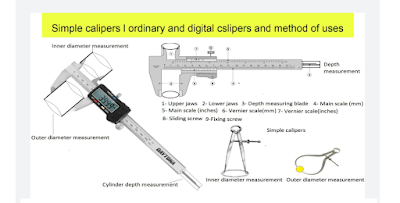
Simple calipers and vernier calipers, method of uses and calculations
Calipers: The calipers are very useful instruments. These instruments are used to measure the diameter of the cylinder, bore, bearing size, ...
-
 If you are searching for genuine hand woven, sustainable, and eco – friendly warm shawls, stoles, and scarves, the Himalayan weavers is off...
 -
 please click on the below link to read this article in Hindi यार्न की परिभाषा और यार्न के विभिन्न प्रकार या यार्न का वर्गीकरण VARIOUS TYPE...
 -
 CARDING: The carding is the second process of spinning which converts fed material (lap) into the uniform strand of fibres called “...
 -
 please click on the below link to read this article in Hindi एक सिस्टम से दूसरे सिस्टम में यार्न काउंट का रूपांतरण CONVERSION OF YARN COUN...