Friday, July 16, 2021
Monday, May 31, 2021
रैपियर वेफ्ट इंसर्शन सिस्टम l रैपियर लूम के प्रकार l वेफ्त यार्न पैसेज और रैपियर वेफ्ट इंसर्शन सिस्टम का कार्य सिद्धांत
रैपियर लूम वेफ्ट इंसर्शन सिस्टम:
यह सबसे बहुमुखी वेफ्ट इंसर्शन सिस्टम होता है। इस लूम पर वेफ्ट यार्न काउंट की एक बहुत विस्तृत सीमा होती है। आप बड़ा बदलाव किए बिना बहुत मोटे से बहुत महीन धागे में वेफ्ट के रूप में डाल सकते हैं। वेफ्ट इंसर्शन के दौरान बाने के धागे की यात्रा लगातार नियंत्रित होती जाती है। कपड़े की चौड़ाई को मशीन के स्पेसिफिकेशन्स की सीमा के भीतर समायोजित किया जा सकता है। कपड़ा उद्योग में रैपियर लूम का व्यापक रूप से उपयोग किया जाता है। बाने के रंगों की संख्या 8 से 16 के बीच होती है।
रैपियर लूम का वर्गीकरण:
एक रैपियर लूम को इस्तेमाल किए गए वेफ्ट इंसर्शन मैकेनिज्म के अनुसार निम्न वर्गों में वर्गीकृत किया जा सकता है।
सिंगल रैपियर लूम:
वह रैपियर लूम जिसमें शेड में बाने के धागे को डालने के लिए केवल एक रैपियर का उपयोग किया जाता है, सिंगल रैपियर लूम कहलाता है। रैपियर की तय की गई दूरी लूम में इस्तेमाल किए गए रीड स्पेस के बराबर होती है। इस तरह का लूम बहुत कम गति से काम करता है। वार्प यार्न रैपियर पर उच्च दबाव डालता है।
डबल रैपियर लूम :
वह रैपियर लूम जिसमें दो रैपियर की मदद से शेड में वेफ्ट इंसर्शन किया जाता है, इस प्रकार के लूम को डबल रैपियर लूम के रूप में जाना जाता है। प्रत्येक रैपियर लूम में प्रयुक्त रीड स्पेस की आधी दूरी तय करता है। डबल रैपियर लूम बहुत तेज गति से चलता है। रैपियर पर वार्प के धागे का दबाव अधिकतम सीमा तक कम हो जाता है।
फ्लेक्सिबल रेपियर लूम :
इस तरह के लूम में ग्रिपर्स को टेफ्लॉन और कार्बन फैब्रिक से बने लचीले रिबन या टेप पर लगाया जाता है। चूंकि रिबन की लंबाई डबल रैपियर लूम में उपयोग किए गए रीड स्पेस के लगभग बराबर होती है और प्रत्येक रिबन की लंबाई का लगभग आधा हिस्सा वेफ्ट इंसर्शन के दौरान शेड में प्रवेश करता है ताकि रिबन की शेष आधी लंबाई होलो रैपियर गाइड के अंदर वापस चली जाए। जब ग्रिपपेर्स स्ले सेण्टर की स्थिति में पहुंच जाती है। यह शेष लंबाई वह लंबाई है जो बाने डालने के दौरान शेड में प्रवेश नहीं करती है। यह कार्य रैपियर रिबन के लचीलेपन के कारण संभव हो पाता है। लचीले रैपियर रिबन के उपयोग के कारण, इस प्रकार के लूम को फ्लेक्सिबल रैपियर लूम कहा जाता है। यह लूम रिजिड रैपियर लूम की तुलना में अधिक आरपीएम पर चल सकता है। इस तरह के लूम कम जगह घेरते हैं।
रिजिड रेपियर लूम :
यदि ग्रिपर्स को किसी रैपियर लूम में रिजिड रैपियर रैक पर लगाया जाता है, तो इसे रिजिड रैपियर लूम के रूप में जाना जाता है। रिजिड रैपियर, फ्लेक्सिबल रैपियर लूम की तुलना में धीमी गति से चलता है। रिजिड र रैपियर लूम, फ्लेक्सिबल रैपियर लूम की तुलना में अधिक स्थान घेरता है।
नेगेटिव वेफ्ट ट्रांसफर रैपियर लूम:
यदि वेफ्ट टेंशन की मदद से रैपियर ग्रिपर्स के ग्रिपिंग जबड़ों के बीच वेफ्ट यार्न को पकड़ाया जाता है और वेफ्ट ट्रांसफर चक्र के दौरान प्रत्येक ग्रिपर के ग्रिपिंग जॉ को खोलने और बंद करने के लिए किसी भी अतिरिक्त तंत्र का उपयोग नहीं किया जाता है, तो इस तरह के वेफ्ट ट्रांसफर को नेगेटिव वेफ्ट ट्रांसफर कहा जाता है। यदि वेफ्ट इंसर्शन के दौरान लूम में नेगेटिव वेफ्ट ट्रांसफर होता है, तो उस लूम को नेगेटिव वेफ्ट ट्रांसफर रैपियर लूम कहा जाता है।
पॉजिटिव वेफ्ट ट्रांसफर रैपियर लूम:
यदि वेफ्ट ट्रांसफर के पूरे चक्र के दौरान प्रत्येक रैपियर के ग्रिपिंग जबड़ों को एक अतिरिक्त तंत्र की मदद से खोला और बंद किया जाता है, तो इस तरह के वेफ्ट इंसर्शन को पॉजिटिव वेफ्ट ट्रांसफर के रूप में जाना जाता है। पॉजिटिव वेफ्ट ट्रांसफर से लैस लूम को पॉजिटिव वेफ्ट ट्रांसफर रैपियर लूम कहा जाता है।
रैपियरलूम में बाने के धागे का मार्ग:
वेफ्ट पैकेज वेफ्ट क्रील पर लगा होता है। उपयोग किए जा रहे बाने के धागों में रंगों की संख्या के अनुसार बाने के पैकेजों की संख्या का उपयोग किया जाता है। यार्न पहले थ्रेड गाइड से गुजरता है और इसके बाद वेफ्ट क्रील पर लगे वेफ्ट टेंशनर से गुजरता है। इसके बाद, वेफ्ट यार्न वेफ्ट एकुमुलेटर से होकर गुजरता है। यह वेफ्ट एकुमुलेटर स्थिर तनाव पर यार्न की निरंतर आपूर्ति सुनिश्चित करता है। जब बाने का पैकेज ख़त्म होने की स्थिति के करीब पहुंच जाता है, तो यार्न का तनाव अधिकतम हो जाता है। वेफ्ट एकुमुलेटर इस प्रभाव को बेअसर करता है और पूरे पैकेज में बाने के तनाव को स्थिर रखता है। वेफ्ट क्रील पर लगा वेफ्ट टेंशनर एकुमुलेटर पर आसन्न यार्न कॉइल के ओवरलैपिंग को रोकता है। उपयोग किए गए वेफ्ट एकुमुलेटर्स की संख्या बाने के धागे में इस्तेमाल होने वाले रंगों की संख्या के बराबर हो जाती है।

अब यार्न फिलिंग डिटेक्टर से होकर गुजरता है। फिलिंग डिटेक्टर में या तो सिंगल वेफ्ट सेंसिंग चैनल या मल्टी वेफ्ट सेंसिंग चैनल होते हैं। फिलिंग डिटेक्टर एक तरफ से दूसरी तरफ वेफ्ट की पूरी यात्रा की निगरानी करता है। यदि वेफ्ट इंसर्शन विफल हो जाता है या लंबाई में छोटा रह जाता है, तो यह लूम को तुरंत बंद कर देता है। अगले क्रम में वेफ्ट यार्न थ्रेड गाइड से होकर गुजरता है जो बाने के धागों को अलग रखने में मदद करता है। यह विभिन्न बाने के धागों को आपस में उलझने से भी रोकता है। थ्रेड गाइड में कई सिरेमिक आईज लगी होती हैं।
अंत में, बाने का धागा वेफ्ट सिलेक्टर फिंगर की आई से होकर गुजरता है। नियंत्रण कंप्यूटर में वेफ्ट पैटर्न फीडिंग के अनुसार वेफ्ट सिलेक्शन फिंगर का चयन होता है।
रैपियर वेट इंसर्शन सिस्टम का कार्य सिद्धांत:
बाने के धागे को कैच सेल्वेज पकड़ कर रखता है।इस कैच को सेल्वेज बनाने के लिए दस से बीस धागो का इस्तेमाल किया जाता है। धागो को या तो एक अलग रील पर लपेटा जाता है या एक कैच सेल्वेज क्रील का उपयोग किया जाता है जिसमें आवश्यक छोटे यार्न पैकेज लगाए जाते हैं। कैच सेल्वेज में हमेशा प्लेन वीव का उपयोग किया जाता है। रीड के एक सिरे के बहुत करीब टेम्पल के ब्रैकेट पर लगाई गई एक कैच प्लेट, बाने के धागे को रीड की ओर जाने से रोकती है।
जब रीड आखिरी डाली गई पिक को बीत कर देता है, तो एक नया वेफ्ट इंसर्शन चक्र शुरू होता है। सबसे पहले, वेफ्ट सिलेक्टर फिंगर गिरती है, और वेफ्ट यार्न इंसर्ट ग्रिपर के सामने आता है। बाने का धागा रैपियर गाइड को टच करने लगता है
रैपियर स्ले सेंटर की ओर यात्रा करना शुरू कर देता है और रिसीविंग रैपियर भी स्ले सेंटर की ओर यात्रा करना शुरू कर देता है। रिसीविंग रैपियर पहले चलना शुरू करता है। जब ग्रिपर वेफ्ट यार्न के नीचे से गुजरता है, तो यार्न इंसर्ट ग्रिपर के स्लॉट में प्रवेश कर जाता है। ग्रिपर के ग्रिपिंग प्रेशर को इस तरह से समायोजित किया जाता है कि यह इंसर्ट ग्रिपर के ऊपरी और निचले ग्रिपिंग जबड़ों के बीच वेफ्ट यार्न में प्रवेश करने में सहायता करता है। यार्न टेंशनर को समायोजित करके एक उपयुक्त वेफ्ट यार्न टेंशन भी प्राप्त किया जाता है। बाने का धागा कम से कम ग्रिपिंग जबड़ों के बीच तक पहुंचना चाहिए। इंसर्ट रैपियर के ग्रिपिंग जबड़ों के बीच कोई यार्न स्लिपेज नहीं होना चाहिए। जब इंसर्ट ग्रिपर शेड में प्रवेश करना शुरू करता है, तो फिलिंग कटर बाने के धागे को काट देता है। रैपियर गाइड के एक छोर पर इंसर्ट रैपियर के प्रवेश बिंदु के पास एक वेट यार्न सपोर्ट गाइड लगा होता है। यह यार्न गाइड रीड और वेफ्ट यार्न के बीच एक आवश्यक गेप बना कर रखता है। यह रीड की क्षति को भी रोकता है।

दोनों रेपियर स्ले सेंटर की ओर यात्रा करते हैं। रिसीविंग रैपियर सबसे पहले स्ले सेंटर पर पहुंचता है और वहां ड्वेल पीरियड में रेस्ट करता है। रिसीविंग रैपियर इंसर्ट ग्रिपर से वेफ्ट यार्न प्राप्त करने के लिए तैयार हो जाता है और वह वहीं इंतजार करता है। अब इंसर्ट रैपियर स्ले सेंटर तक पहुंचता है और इंसर्ट ग्रिपर में जकड़ा हुआ धागा रिसीविंग ग्रिपर के हुक की नोक को पार कर जाता है। सेटिंग के दौरान रिसीविंग ग्रिपर के हुक की नोक और वेफ्ट यार्न के बीच में तीन मिमी की गैप सुनिश्चित की जाती है। जैसे ही इंसर्ट ग्रिपर ड्वेल पीरियड में आता है, रिसीविंग ग्रिपर फैब्रिक सेल्वेज की ओर बढ़ना शुरू कर देता है। रिसीविंग ग्रिपर का हुक इन्सर्ट ग्रिपर से बाने के धागे को खींचता है। चूंकि रिसीविंग ग्रिपर में इंसर्ट ग्रिपर की तुलना में थोड़ा अधिक ग्रिपिंग प्रेशर होता है, जिससे यार्न रिसीविंग ग्रिपर के ग्रिपिंग जबड़ों के बीच प्रवेश कर जाता है। इंसर्ट ग्रिपर भी अपनी ड्वेल की अवधि बीतने के बाद फैब्रिक सेल्वेज की ओर बढ़ना शुरू कर देता है। रिसीविंग ग्रिपर पहले शेड से बाहर आता है। रैपियर गाइड में फिट किया गया ग्रिपर ओपनर ग्रिपिंग जबड़ों को खोलता है और कैच सेल्वेज के बाहर बाने के धागे को छोड़ता है। एक सक्शन नोजल अपने अंदर वेफ्ट के धागे की पूंछ को खींच लेता है और इसे टाइट रखने में मदद करता है। कैच सेल्वेज के धागे उसी समय में एक दूसरे को क्रॉस करते है और बाने के धागे को मजबूती से पकड़ लेते है। इस अवधि के दौरान इन्सर्ट रैपियर भी शेड से बाहर आ जाता है। अब बाने के धागों को रीड द्वारा बीत किया जाता है और वेफ्ट कैच प्लेट द्वारा बाने के धागे को फिर से पकड़ लिया जाता है। यह चक्र लगातार दोहराया जाता है।
Sunday, May 30, 2021
रैपियर वेफ्ट ट्रांसफर प्रक्रिया के प्रकार, नेगेटिव वेफ्ट ट्रांसफर और पॉजिटिव वेफ्ट ट्रांसफर( types weft transfer method in rapier loom, positive weft transfer and negative weft transfer
रैपियर वेफ्ट ट्रांसफर प्रक्रिया:
रैपियर लूम में वेफ्ट ट्रांसफर की प्रक्रिया ठीक उसी तरह है जैसे रिले रेस में बैटन चेंज होता है । जब दोनों रैपियर स्ले सेंटर पोजीशन में पहुंच जाते हैं, तो रिसीविंग ग्रिपर इंसर्ट ग्रिपर से वेफ्ट यार्न प्राप्त करता है। इन्सर्ट ग्रिपर से रिसीविंग ग्रिपर को वेफ्ट यार्न के ट्रांसफर को रैपियर लूम में वेफ्ट ट्रांसफर प्रक्रिया कहा जाता है।
रैपियर वेफ्ट ट्रांसफर के प्रकार:
रैपियर वेफ्ट इंसर्शन सिस्टम में निम्नलिखित प्रकार के वेफ्ट ट्रांसफर मेथड का इस्तेमाल किया जाता है।
1 - नेगेटिव रैपियर वेफ्ट ट्रांसफर मेथड।
2 - सकारात्मक रेपियर ।वेफ्ट ट्रांसफर विधि
नकारात्मक वेफ्ट स्थानांतरण विधि:
नेगेटिव वेफ्ट ट्रांसफर विधि में, वेफ्ट ट्रांसफर प्रक्रिया के दौरान दोनों ग्रिपर्स के ग्रिपिंग जॉ को खोलने के लिए ओपनिंग मैकेनिज्म का उपयोग नहीं किया जाता है। वेफ्ट ट्रांसफर दोनों ग्रिपर्स के वेफ्ट टेंशन और ग्रिपिंग प्रेशर के कारण होता है। रिसीविंग ग्रिपर का ग्रिपर प्रेशर इंसर्ट ग्रिपर की तुलना में थोड़ा अधिक रखा जाता है। इंसर्ट ग्रिपर के ग्रिपिंग प्रेशर के अनुसार वेफ्ट टेंशन भी समायोजित किया जाता है।
लचीले रिबन पर लगे ग्रिपर गाइड टीथ द्वारा बनाए गए एक निश्चित मार्ग के माध्यम से रेसिप्रोकेटिंग गति करते हैं। ये गाइड टीथ ग्रिपर के लिए एक उचित और निश्चित मार्ग को उपलब्द्ध कराते हैं। ये गाइड टीथ ग्रिपर को निश्चित मार्ग से बाहर जाने से भी रोकते हैं। रिसीविंग ग्रिपर बी सबसे पहले स्ले सेंटर तक पहुंचता है और इंसर्ट ग्रिपर से वेफ्ट यार्न प्राप्त करने के लिए तैयार हो जाता है। यह रिसीविंग ग्रिपर अपने ड्वेल अवधि में आराम करता है। वेफ्ट यार्न से लोडेड इंसर्ट ग्रिपर ए स्ले सेंटर पोजीशन पर पहुंचता है। जब इंसर्ट ग्रिपर वेफ्ट ट्रांसफर पोजीशन सी तक पहुंचता है, तो इंसर्ट ग्रिपर द्वारा ले जाया गया यार्न ग्रिपर हुक ई की नोक को पार कर जाता है। जैसे ही इंसर्ट ग्रिपर की ड्वेल अवधि शुरू होती है, रिसीविंग ग्रिपर उसी समय फैब्रिक सेल्वेज की ओर बढ़ना शुरू कर देता है। चूंकि रिसीविंग ग्रिपर का ग्रिप्पिंग प्रेशर इन्सर्ट ग्रिपर की तुलना में थोड़ा अधिक रखा जाता है ताकि यह पकड़ने वाले जबड़े एच के बीच बाने के धागे को पकड़ने में सफल हो जाए और वेफ्ट यार्न को फैब्रिक सेल्वेज की ओर ले जाए। नीचे दी गई तस्वीर में दिखाए गए नकारात्मक रैपियर वेफ्ट ट्रांसफर का योजनाबद्ध आरेख को देखिये:

सकारात्मक वेफ्ट स्थानांतरण विधि:
यह वेफ्ट हस्तांतरण विधि अधिक विश्वसनीय, कुशल और परिष्कृत होती है है। बहुत महीन फिलामेंट यार्न से लेकर बहुत ऊंचे मोटे काउंट के यार्न को बिना किसी परेशानी के सफलतापूर्वक डाला जा सकता है।
पॉजिटिव रैपियर वेफ्ट ट्रांसफर मेथड में दोनों ग्रिपर्स के ग्रिपिंग जॉ को मैकेनिकल ओपनिंग सिस्टम की मदद से खोला जाता है। दोनों ग्रिपर्स के ग्रिपिंग जॉ समय के अनुसार खुलते और बंद होते हैं।
डोर्नियर लूम निर्माता द्वारा सबसे कुशल सकारात्मक रैपियर वेफ्ट ट्रांसफर विकसित किया गया है।
इस सिस्टम में, ग्रिपर को कठोर रैपियर रैक पर लगाया जाता है।
वेफ्ट इंसर्शन के पूरे चक्र के दौरान ग्रिपर्स के ग्रिपिंग जॉ अतिरिक्त मैकेनिज्म की मदद से यांत्रिक रूप से खुलते और बंद होते हैं। खाली रिसीविंग ग्रिपर पहले स्ले सेंटर पोजीशन की ओर बढ़ना शुरू करता है।
जैसे ही वेफ्ट इंसर्शन चक्र शुरू होता है, वेफ्ट सिलेक्शन फिंगर प्रोग्राम कंप्यूटर में वेफ्ट पैटर्न के अनुसार गिरती है। अब इंसर्ट ग्रिपर स्ले सेंटर की ओर बढ़ना शुरू कर देता है। इंसर्ट ग्रिपर के ग्रिपिंग जॉ को ग्रिपर ओपनर की मदद से खोला जाता है। जैसे ही इंसर्ट ग्रिपर स्ले सेंटर की ओर थोड़ा आगे बढ़ता है, वेफ्ट यार्न ग्रिपिंग जॉ के बीच आ जाता है। अब पकड़ने वाले जबड़े बंद हो जाते हैं। ट्रांसफर चक्र आगे बढ़ता है और दोनों ग्रिपर शेड में प्रवेश कर जाते हैं।
जैसे ही रिसीविंग ग्रिपर वेफ्ट ट्रांसफर की स्थिति में पहुंचता है, यह आराम की स्थिति में आ जाता है। ग्रिपर ओपनर रिसीविंग ग्रिपर के ग्रिपिंग जबड़ों को खोलता है। वेफ्ट यार्न से लोडेड इंसर्ट ग्रिपर सेकंड के अंश के बाद वेफ्ट ट्रांसफर की स्थिति में पहुंच जाता है। इंसर्ट ग्रिपर द्वारा ग्रिप किया गया यार्न रिसीविंग ग्रिपर के खुले हुए ग्रिपिंग जबड़ों के बीच प्रवेश करता है। इसके बाद, रिसीविंग ग्रिपर के पकड़ने वाले जबड़े तंत्र द्वारा बंद हो जाते हैं। रिसीविंग ग्रिपर वेफ्ट यार्न को मजबूती से पकड़ लेता है।
अब इनसर्ट ग्रिपर ओपनर इंसर्ट ग्रिपर के ग्रिपिंग जॉ को खोलता है और इंसर्ट ग्रिपर से वेफ्ट यार्न रिलीज़ हो जाता है।
रिसीविंग ग्रिपर अब फैब्रिक सेल्वेज की ओर बढ़ना शुरू कर देता है। खाली इंसर्ट ग्रिपर भी सेकंड के कुछ अंश के बाद फैब्रिक सेल्वेज की ओर बढ़ना शुरू कर देता है।
जब रिसीविंग ग्रिपर सेल्वेज के पास पहुंचता है, तो दूसरा ग्रिपर ओपनर रिसीविंग ग्रिपर के ग्रिपिंग जबड़ों को खोलता है और वेफ्ट यार्न को रिलीज़ कर देता है। कैच सेल्वेज वेफ्ट यार्न को पकड़ लेता है और इसे ढीला होने से रोकता है।
यह चक्र लगातार दोहराया जाता है। सकारात्मक वेफ्ट स्थानांतरण प्रक्रिया का योजनाबद्ध आरेख नीचे दिया गया है।

समानांतर पीकिंग या समानांतर वेफ्ट इंसर्शन प्रोसेस ( parallel picking or parallel weft insertion process)
समानांतर पीकिंग या समानांतर वेफ्ट इंसर्शन प्रोसेस :
वेफ्ट यार्न को शेड में डालने की प्रक्रिया शेडिंग मोशन के बाद आती है। जब शेड लगभग खुल जाता है, तो वेफ्ट यार्न को किसी भी प्रकार की पिकिंग मैकेनिज्म के माध्यम से शेड के अंदर डाला जाता है।
जब एक शेड में एक पिकिंग चक्र के दौरान एक साथ दो या दो से अधिक पिक्स डाले जाते हैं, तो इस तरह की वेफ्ट इंसर्शन विधि को समानांतर वेफ्ट इंसर्शन विधि कहा जाता है। आसान शब्दों में कहें तो सबसे पहले शेड खुलता है। अब इस शेड के अंदर एक बार में दो या दो से अधिक पिक्स डाले जाते हैं।
यदि हम समानांतर वेफ्ट इंसर्शन सिस्टम का उपयोग करते हैं तो लूम की उत्पादकता बढ़ जाती है। उत्पादन की लागत भी कम हो जाती है।
समानांतर पिकिंग के साथ कुछ सीमाएँ होती हैं।
यदि वीव के अंदर सिंगल पिक की जरुरत होती है, तो समानांतर पिकिंग प्रयोग प्रयोग नहीं की जाती है।
जब बहुत मोटे बाने के धागे का उपयोग किया जाता है तब भी समानांतर पिकिंग प्रयोग प्रयोग नहीं होती है।
समानांतर वेफ्ट इंसर्शन को पारंपरिक पिकिंग के साथ-साथ गैर पारंपरिक पिकिंग सिस्टम में भी प्राप्त किया जा सकता है।
पारंपरिक पिकिंग सिस्टम के साथ समानांतर वेट इंसर्शन:
पारंपरिक पिकिंग सिस्टम में समानांतर पिकिंग को लागू करने का केवल एक ही तरीका है। जैसा कि हम जानते हैं कि पारंपरिक पिकिंग सिस्टम में शटल द्वारा पिकिंग मोशन परफॉर्म की जाती है। बाने के धागे के दो सिरों को बाने की बोबिन के ऊपर एक साथ वाइंड किया जाता है। यदि हम वेफ्ट बोबिन वाइंडिंग के दौरान बोबिन पर दो सिरों को एक साथ वाइंड करते हैं, तो वाइंडिंग के दौरान कुछ कठिनाइयाँ होती हैं। यदि हम वेफ्ट यार्न के दो सिरों को एक साथ समानांतर वाइंडिंग मशीन पर उनकी डबलिंग करते हैं और इस समानांतर यार्न को वेफ्ट बोबिन के ऊपर स्थानांतरित करते हैं, तो कठिनाइयों का समाधान हो जाता है। वेफ्ट यार्न तैयार करने की लागत थोड़ी बढ़ जाती है।
अब इन वेफ्ट बॉबिनों का उपयोग शटल लूम पर समानांतर वेफ्ट इंसर्शन विधि में किया जाता है और समानांतर वेफ्ट इंसर्शन प्राप्त हो जाता है।
गैर पारंपरिक समानांतर वेफ्ट इंसर्शन प्रोसेस:
रैपियर लूम्स और एयर-जेट लूम्स में समानांतर वेफ्ट इंसर्शन को कुशलतापूर्वक किया जा सकता है।
रैपियर लूम्स में, बहुत महीन से मध्यम काउंट के यार्न के दो या दो से अधिक धागे समानांतर पिकिंग में डाले जा सकते हैं। आप वेफ्ट यार्न के दो या अधिक सिरों को मिलाकर या सीधे बिना डबलिंग के एक ही शेड में दो या दो से अधिक पिक्स डाल सकते हैं।
यदि हम डबलिंग किये गए बाने के धागों का उपयोग करते हैं, तो बाने के अनुसार कपड़े में डिफेक्ट्स हो सकते हैं। अतिरिक्त डबलिंग की लागत भी आती है।
यदि हम दो या दो से अधिक वेफ्ट पैकेज को बिना मिलाए उपयोग करते हैं, तो कपड़े की गुणवत्ता प्रभावित नहीं होती है और उत्पादन की लागत भी कम हो जाती है। समानांतर पिकिंग को सपोर्ट करने के लिए एक उपयुक्त वेफ्ट डिटेक्शन सिस्टम की आवश्यकता होती है।
अगर हम एयर-जेट लूम में दो या दो से अधिक वेफ्ट के धागे एक साथ डालते हैं, तो हम फाइन काउंट यार्न का ही उपयोग कर सकते हैं। समानांतर पिकिंग यार्न डबलिंग या बिना यार्न डबलिंग के द्वारा प्राप्त की जाती है। उत्पादन की लागत को कम करने के लिए एयर-जेट लूम्स में डबलिंग के बिना समानांतर पिकिंग की जाती है।उत्पादन की गुणवत्ता भी प्रभावित नहीं करती है।
Wednesday, May 12, 2021
Parallel picking or parallel weft insertion systems
Parallel weft insertion method:
The weft insertion process comes after shedding motion. When the shed gets almost opened, the weft yarn is inserted into the shed through any type of picking mechanism.
When two or more picks are inserted simultaneously during one picking cycle in a shed, this kind of weft insertion method is called the parallel weft insertion method. In simple words, first of all, the shed gets opened. Now two or more picks are inserted at a time in this created shed.
The productivity of the loom gets increased if we use a parallel weft insertion system. The cost of production also gets decreased.
There are some limitations with parallel picking.
If weave demands a single pick, the parallel picking is not usable.
The parallel picking is not usable when very coarse weft yarn is used.
The parallel weft insertion can be achieved in conventional picking as well as in non-conventional picking systems.
Parallel weft insertion with conventional picking system:
There is only one way to apply parallel picking in a conventional picking system. As we know that the picking motion is performed by shuttle in a conventional picking system. Two ends of the weft yarn are wound together on the weft pirn. If we wind two ends together on the bobbin during pirn winding, some difficulties occur during winding. If we combine two ends of the weft yarn together on a parallel winding machine and transfer this parallel yarn on the pirn, the difficulties are resolved. The yarn preparation cost gets increased slightly.
Now, these pirn bobbins are used in the parallel weft insertion method on shuttle loom and parallel weft insertion gets achieved.
Non-conventional parallel weft insertion system:
The parallel weft insertion can be efficiently achieved in rapier looms and air-jet looms.
In the rapier looms, Two or more yarns of very fine to medium count yarn can be inserted in parallel picking. You can insert two or more picks at a time in the same shed by combining two or more ends of weft yarn or directly without combining.
If we use combined weft yarn, there weft wise fabric defects may occur. Extra doubling cost also occurs.
If we use two or more weft packages without combining, The fabric quality doesn't affect and the cost of production also decreased. There is required a suitable weft detection system to support parallel picking.
If we insert two or more wefts in the air-jet loom, we can use fine count yarn only. Parallel picking is achieved by yarn doubling or without yarn doubling. Probably, parallel picking is performed without doubling in air-jet looms to reduce the cost of production. The quality doesn't affect in any way.
Please click on the below video link to watch the full topic in Hindi:
Types of rapier weft transfer process, Negative weft transfer and positive weft transfer
Rapier weft transfer process:
The weft transfer process in the rapier loom is just like a batten change in a relay race. When both rapier reaches in sley centre position, the receiving gripper receives weft yarn from insert gripper. The transfer of weft yarn from the insert gripper to receiving gripper is called the weft transfer process in the rapier loom.
Types of rapier weft transfer:
There is the following kind of weft transfer methods used in the rapier weft insertion system.1 - Negative rapier weft transfer method.
2 - Positive rapier weft transfer method.
Negative weft transfer method:
In negative weft transfer method, the opening mechanism for opening of the gripping jaws of both grippers is not used during weft transfer process. The weft transfer takes place due to the weft tension and gripping pressure of both grippers. The gripping pressure of receiving gripper is kept a little bit higher than the insert gripper. The weft tension is also maintained according to the gripping pressure of the insert gripper. The grippers mounted on flexible ribbons make reciprocating motion through a fixed passage made by guide teeth D. These guide teeth avail a proper and fixed passage to grippers. These guide teeth also prevent flying out of the gripper from the passage. Receiving gripper B reaches the sley centre first and gets ready to receive the weft yarn from the insert gripper. This receiving gripper rest in its dwell period. The insert gripper A loaded with weft yarn reaches the sley centre position. When the insert gripper reaches the weft transfer position C, the yarn carried by the insert gripper crosses the tip of gripper hook E. As the dwell period of the insert gripper begins, the receiving gripper starts to move toward the fabric selvedge at the same time. Since the gripping pressure of receiving gripper is kept little bit higher than the insert gripper so that it gets succeeded to catch the weft yarn between the gripping jaws H and carries the weft yarn toward the fabric selvedge. The schematic diagram of negative rapier weft transfer shown in the below picture: Positive weft transfer method:
This weft transfer method is more reliable, efficient, and sophisticated. Very fine filament yarn to very high coarse spun yarn can be inserted successfully without any trouble.In the positive rapier weft transfer method, the opening of the gripping jaws of both grippers is carried out with the help of a mechanical opening system. The gripping jaws of both grippers get opened and closed as per timings. The most efficient positive rapier weft transfer has been developed by Dornier loom manufacturer. In this mechanism, the grippers are mounted on rigid rapier racks. The gripping jaws of grippers get opened and closed mechanically with the help of an extra mechanism during the complete weft insertion cycle. The empty receiving gripper starts to move toward the sley centre position first. As the weft insertion cycle gets begun, the weft selection finger falls as per the weft pattern feeding program computer. Now the insert gripper starts to move toward the sley centre. The gripping jaws of the insert gripper are opened with the help of a gripper opener. As the insert gripper moves slightly toward the sley centre, the weft yarn comes between the gripping jaws. Now the gripping jaws are closed. The insertion cycle progresses and both the grippers get entered into the shed.As the receiving gripper reaches the weft transfer position, it comes in the rest position. The gripper opener opens the gripping jaws of receiving gripper. The insert gripper loaded with weft yarn reaches the weft transfer position after a fraction of a second. The yarn gripped by the insert gripper gets entered between opened gripping jaws of receiving gripper. Next, the gripping jaws of receiving gripper get closed by the mechanism. The receiving gripper grips the weft yarn firmly. Now the insert gripper opener opens the gripping jaws of the insert gripper and weft yarn gets released from the insert gripper.The receiving gripper begins to move toward the fabric selvedge now. The empty insert gripper also begins to move toward the fabric selvedge after a fraction of a second. When the receiving gripper reaches near the selvedge, the other gripper opener opens the gripping jaws of receiving gripper and the weft yarn gets released. The catch selvedge holds the weft yarn and prevents slackened it. This cycle is repeated continuously. The schematic diagram of the positive weft transfer process is given below.
Please click on the below video link to watch the full topic in Hindi:
Monday, April 26, 2021
Sunday, April 25, 2021
Rapier weft insertion system l Types of rapier looms l Weft yarn passage and working principle of rapier weft insertion system
Please click on the below link to read this full article in Hindi:
रैपियर वेफ्ट इंसर्शन सिस्टम l रैपियर लूम के प्रकार l वेफ्त यार्न पैसेज और रैपियर वेफ्ट इंसर्शन सिस्टम का कार्य सिद्धांत
Rapier loom weft insertion system:
This is the most versatile. It has a very wide weft count range. You can insert from very coarse to very fine yarn without making a big change. The journey of weft yarn gets constantly controlled throughout the picking motion. The fabric width can be adjusted within the machine's specification limit. Rapier looms are widely used in the textile industry. The number of weft colours ranges between 8 to 16.
Classification of rapier looms:
A rapier loom can be categorized into the below classes according to the weft insertion mechanism used.
Single rapier loom:
That rapier loom in which only one rapier gets used to insert the weft yarn in the shed is called the single rapier loom. The travelled distance of the rapier gets equal to the reed space used in the loom. This kind of loom works at a very low speed. The warp yarn exerts high pressure on the rapier.
Double rapier loom:
That rapier loom in which the weft insertion in the shed is carried out with the help of two rapiers, This type of loom is known as the double rapier loom. Each rapier travels a half distance of the reed space used in the loom. Double rapier loom runs at very high speed. The pressure of the warp yarn on the rapiers gets reduced up to a maximum extent.
Flexible rapier looms:
In this kind of loom, the grippers are mounted on a flexible ribbon or tape made of Teflon and carbon fabric. Since the length of the ribbon is almost equal to the reed space used in the double rapier loom and almost half of each ribbon length enters into the shed during weft insertion so that the remaining half-length of the ribbon goes back inside the hollow rapier guide when the rapier reaches to the outer dead centre position. This remaining length is that length that doesn't enter into the shed during weft insertion. This task gets possible due to the flexibility of the rapier ribbon. Due to the use of flexible rapier ribbons, this kind of loom is called a flexible rapier loom. This loom can run at higher rpm than rigid rapier looms. This kind of looms occupies less space too.
Rigid rapier looms:
If the grippers are mounted on the rigid rapier racks in any rapier loom, it is known as a rigid rapier loom. The rigid rapier runs at a slower speed than the flexible rapier loom. The rigid rapier loom occupies more space than the flexible rapier loom.
Negative weft transfer rapier loom:
If the weft yarn gets entered between the gripping jaws of rapier grippers with the help of weft tension and an extra mechanism is not used to open and close the gripping jaws of each gripper during the weft transfer cycle, this kind of weft transfer is called negative weft transfer. If the loom has negative weft transfer during weft insertion, that loom is called a negative weft transfer rapier loom.
Positive weft transfer rapier loom:
If the gripping jaws of each rapier get opened and closed with the help of an extra mechanism throughout the complete cycle of weft transfer, this kind of weft insertion is known as positive weft transfer. The loom equipped with positive weft transfer is called a positive weft transfer rapier loom.
Passage of weft yarn in the rapier loom:
The weft package is mounted on the weft creel. The number of weft packages is used according to the number of colours in the weft yarn getting used. The yarn passes first from the thread guide and weft tensioner mounted on the weft creel. Next, the weft yarn passes through the weft accumulator. This weft accumulator ensures continuous yarn supply at a constant tension. When the weft package reaches to near the exhaustion position, the yarn tension gets increased to maximum. The weft accumulator neutralizes this effect and keeps the weft tension constant throughout the package. The weft tensioner mounted on the weft creel prevents the overlapping of adjacent yarn coils on the accumulator. The number of weft accumulators used gets equal to the number of colours getting used in the weft yarn.
Now the yarn passes through the filling detector. The filling detector consists of either a single weft sensing channel or multi weft sensing channels. The filling detector monitors the complete journey of the weft from one side to another side. If weft insertion gets either failed or felt short in length, it stops the loom immediately. The yarn next passes through the thread guide which helps to keep the weft yarns separate. It also prevents entangling the different weft yarns together. The thread guide consists of many ceramic eyes it. Finally, weft yarn passes through the eye of the weft selector needle. The weft selector needle gets selected according to the weft sequence feed in the control computer.

Working principle of rapier weft insertion system:
The weft yarn gets held in the catch selvedge. Ten to twenty ends are used to make this catch selvedge. The ends are wrapped either on a separate reel or a catch selvedge creel is used in which required small yarn packages are mounted. A plain weave is always used in the catch selvedge. A catch plate mounted on the temple bracket very close to the end of the reed prevents the weft yarn from going toward the reed.
When the reed beats the last inserted pick, a fresh weft insertion cycle begins. First of all, the weft selector needle falls, and the weft yarn comes in front of the insert gripper. The weft yarn falls on the rapier guide and touches it.
The rapier starts travelling toward the sley centre and the receiving rapier also starts to travel toward the sley centre. The receiving rapier starts to move first. When the gripper passes under the weft yarn, the yarn gets entered into the slot of the insert gripper. The gripping pressure of the gripper is adjusted in such a way that it allows entering the weft yarn between the upper and lower gripping jaws of the insert gripper. An appropriate weft yarn tension is also achieved by adjusting the yarn tensioner. The weft yarn should be at least reached the middle of the gripping jaws. There should be no yarn slippage between the gripping jaws of the insert rapier. When the insert gripper begins to enter the shed, the filling cutter cuts the weft yarn. A weft yarn support guide is mounted at the one end of the rapier guide near the entry point of the insert rapier. This yarn guide makes a required clearance between the reed and weft yarn. it also prevents reed damage.
Both the rapier travels toward the sley centre. The receiving rapier reaches first at the sley centre and rests there indwell period. The receiving rapier gets ready to receive the weft yarn from the insert gripper and it waits there. Now the insert rapier reaches the sley centre and the yarn gripped in the insert gripper cross the tip of the hook receiving gripper. The three mm clearance between the tip of the hook of receiving gripper and weft yarn is ensured during setting. As the insert gripper comes in the dwell period, the receiving gripper starts to travel toward the fabric selvedge. The hook of receiving gripper pulls the weft yarn from the insert gripper. Since the receiving gripper has little more gripping pressure than the insert gripper so that yarn gets entered between the gripping jaws of receiving gripper. The insert gripper also starts to travel toward the fabric selvedge after passing its dwell period. The receiving gripper comes out of the shed first. A gripper opener fitted at the rapier guide opens the gripping jaws and releases the weft yarn outside of the catch selvedge. A suction nozzle sucks the tail of the weft yarn inside it and helps to keep it tight. The catch selvedge ends cross to each other at the same time and holds the weft yarn firmly. The insert rapier also comes out of the shed during this period. Now the weft yarn is beaten by reed and the catch plate hold again the weft yarn. This cycle is repeated continuously.
Please click on the below video link to watch the full topic in Hindi:
You may also be interested in the below articles:
Structure and working principle of water-jet loom weft insertion system
Structure and working principle of projectile loom weft insertion system
Parallel picking or parallel weft insertion systems
Structure and working principle of water-jet loom weft insertion system
Under-pick picking motion
Over-pick picking motion
Fast reed motion ( warp protector motion)
Loose reed motion( warp protector motion )
Side fork motion l Weft fork motion l Weft break stop motion l Auxiliary loom motion
Center weft fork motion, structure and working principle
Featured Post
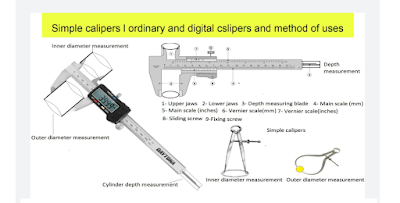
Simple calipers and vernier calipers, method of uses and calculations
Calipers: The calipers are very useful instruments. These instruments are used to measure the diameter of the cylinder, bore, bearing size, ...
-
 If you are searching for genuine hand woven, sustainable, and eco – friendly warm shawls, stoles, and scarves, the Himalayan weavers is off...
 -
 please click on the below link to read this article in Hindi यार्न की परिभाषा और यार्न के विभिन्न प्रकार या यार्न का वर्गीकरण VARIOUS TYPE...
 -
 CARDING: The carding is the second process of spinning which converts fed material (lap) into the uniform strand of fibres called “...
 -
 please click on the below link to read this article in Hindi एक सिस्टम से दूसरे सिस्टम में यार्न काउंट का रूपांतरण CONVERSION OF YARN COUN...