Friday, July 16, 2021
Tuesday, June 1, 2021
शटललेस बुनाई के बारे में एक परिचय (एक गैर पारंपरिक वेफ्त इंसर्शन सिस्टम), shuttleless loom weft insertion systems
शटललेस बुनाई के बारे में एक परिचय (एक गैर-पारंपरिक वेफ्त इंसर्शन सिस्टम)
शटललेस लूम में वेफ्त इंसर्शन शटल का उपयोग किए बिना किया जाता है। चूंकि शटल रहित बुनाई विधि में वेफ्त वाइंडिंग प्रक्रिया नहीं होती है, जिससे निर्माण लागत कम हो जाती है। प्रति मिनट लूम आरपीएम को भी व्यापक रूप से बढ़ाया जाता है। इन लूम्स में बाने की प्रविष्टि एक तरफ से की जाती है। यार्न पैकेज का उपयोग सीधे वेफ्त यार्न में किया जाता है ताकि शटल लूम की तुलना में वेफ्त पैकेज के साइज के बड़ा होने के कारण लूम के रुकने का समय कई गुना कम हो जाए। बहुरंगी कपड़ा प्रभावी ढंग से बुना जाता है। रैपियर लूम में बिना किसी समस्या के बाने में आठ रंगों का सफलतापूर्वक उपयोग किया जा सकता है। बाने में चार रंगों का उपयोग प्रोजेक्टाइल लूम और एयर -जेट लूम्स में सफलतापूर्वक किया जा सकता है। प्रोजेक्टाइल लूम में कोई सेल्वेज वेस्ट भी नहीं होता है। सेल्वेज वेस्ट जेट लूम और रैपियर लूम में होता है। चूंकि लूम के एक तरफ से वेफ्त इंसर्शन किया जाता है शटललेस बुनाई में साधारण सेल्वेज नहीं बनती है । लेनो सेल्वेज, टक-इन सेल्वेज, और मेल्ट सेल्वेज शटललेस बुनाई में बनते हैं।
शटललेस लूम में इस्तेमाल किए गए वेफ्त इंसर्शन मैकेनिज्म के अनुसार शटललेस लूम को निम्न श्रेणियों में वर्गीकृत किया जा सकता है:
1 - प्रोजेक्टाइल लूम
2 - रैपियर लूम
3 - एयर जेट लूम
4 - वाटर जेट लूम
प्रोजेक्टाइल लूम :
प्रोजेक्टाइल की मदद से प्रोजेक्टाइल लूम में वेफ्त इंसर्शन किया जाता है। छोटा ग्रिपर प्रोजेक्टाइल में लगाया जाता है। वेफ्त यार्न पैकेज वेफ्त क्रील पर लगा होता है। बाने का धागा सबसे पहले वेफ्त एकुमुलेटर से होकर गुजरता है। यह वेफ्त एकुमुलेटर नियमित तनाव पर वेफ्त यार्न की निरंतर आपूर्ति सुनिश्चित करता है। वेफ्त एकुमुलेटर पैकेज के आकार में बदलाव के कारण उत्पन्न होने वाले अनियमित यार्न तनाव के प्रभाव को बेअसर करता है। बाने का धागा यार्न टेंशनर से होकर गुजरता है। अब बाने का धागा से होकर रिटर्नर से गुजरता है जो बाने को आवश्यकतानुसार वापस लाता है। बाने का धागा आगे फिलिंग सेंसर से होकर गुजरता है। अंत में, बाने का धागा बाने की सिलेक्शन फिंगर से होकर गुजरता है।

प्रोजेक्टाइल को पीकिंग शू की मदद से पिकिंग साइड से रिसीविंग साइड तक प्रक्षेपित किया जाता है जो प्रक्षेप्य को बहुत जोर से टक्कर मारता है। प्रोजेक्टाइल प्रोजेक्टाइल गाइड के बीच में यात्रा करता है। प्रोजेक्टाइल्स की संख्या लूम पर प्रयुक्त रीड लम्बाई पर निर्भर करती है। जब प्रोजेक्टाइल रिसीविंग साइड तक पहुँचता है, तो सूक्ष्म मॅक्रोप्रोसेसर्स नियंत्रित ब्रेक इसकी गति को लगभग ख़त्म कर देता है। चूंकि प्रोजेक्टाइल अपनी यात्रा के दौरान आवश्यक निशान को पार कर जाता है रिटर्नर इसे अपनी सही स्थिति में बापस लता है । अब ग्रिपर बाने के धागे की छोर को छोड़ देता है। प्रोजेक्टाइल कन्वेयर श्रृंखला पर गिरता है जिसमें नियमित अंतराल पर प्रोजेक्शन्स होते हैं। प्रोजेक्टाइल एक कन्वेयर चेन की मदद से रिसीविंग साइड से पिकिंग साइड तक वापस आता है। कन्वेयर चैन में दो प्रोजेक्शन्स के बीच का अंतर 10 इंच रखा जाता है।
प्रोजेक्टाइल लिफ्टर प्रोजेक्टाइल को पिकिंग शू के सामने लाता है। प्रोजेक्टाइल ओपनर ग्रिपर के जबड़े खोलता है। जब जब यार्न की पूंछ ग्रिपर जबड़ों के बीच प्रवेश करती है तो ओपनर बाहर आता है और प्रोजेक्टाइल ग्रिपर वेफ्त यार्न को मजबूती से पकड़ता है। अब पिकिंग शू प्रोजेक्टाइल से टकराता है और इसे पिकिंग साइड से रिसीविंग साइड में भेजता है। एक रिलीज ओपनर अब ग्रिपर के जबड़े खोलता है और बाने का धागा निकल जाता है। यह सम्मिलन चक्र लगातार दोहराया जाता है।
रैपियर लूम :
यह सबसे बहुमुखी लूम होता है। इसकी वेफ्त काउंट के बहुत विस्तृत सीमा होती है है। आप बड़ा बदलाव किए बिना बहुत मोटे से बहुत महीन धागे वेफ्त में डाल सकते हैं। वेफ्त यार्न पैकेज को क्रील पर रखा जाता है। वेफ्त यार्न पहले वेफ्त एकुमुलेटर से होकर गुजरता है। वेफ्त एकुमुलेटर नियमित यार्न तनाव पर निरंतर यार्न आपूर्ति सुनिश्चित करता है। अब वेफ्त यार्न फिलिंग टेंशनर, वेफ्त सेंसर और यार्न गाइड से होकर गुजरता है। वेफ्त सेंसर वेफ्त यार्न के मूवमेंट पर लगातार नजर रखता है। यदि वेफ्त यार्न गंतव्य तक पहुंचने में विफल रहता है, तो वेफ्त सेंसर लूम को तुरंत बंद कर देता है। अंत में, बाने का धागा वेफ्त सिलेक्शन फिंगर की आंख से होकर गुजरता है।

टेफ्लॉन और कार्बन फैब्रिक से बने रिबन पर लगे ग्रिपर्स द्वारा वेफ्त इंसर्शन किया जाता है। ये रिबन स्प्रोकेट व्हील्स और ड्राइव गियर्स की मदद से एक रेसिप्रोकेटिंग मोशन करते हैं। जब वेफ्त इंसर्शन चक्र शुरू होता है, तो दोनों ग्रिपर स्ले सेंटर की ओर बढ़ना शुरू कर देते हैं। रिसीविंग ग्रिपर पहले चलना शुरू करता है। वेफ्त सिलेक्शन फिंगर रैपियर गाइड के ऊपर गिरती है। अब इंसर्ट ग्रिपर वेट यार्न को ग्रिपिंग जॉ के बीच में पकड़ता है। बाने का कटर अब बाने के धागे को काटता है। रिसीविंग ग्रिपर पहले स्ले सेण्टर पैर आता है और ड्वेल पीरियड में ठहरा रहता है। जब इंसर्ट ग्रिपर स्ले सेण्टर की ओर जाता है और इंसर्ट ग्रिपर द्वारा पकड़ा गया यार्न रिसीविंग ग्रिपर के हुक को पार करता है, तो रिसीविंग ग्रिपर शेड के बाहर लौटना शुरू कर देता है। इंसर्ट ग्रिपर भी ड्वेल पीरियड के बाद वापस चला जाता है। इस तरीके से वेफ्त का एक ग्रिपर से दूसरे ग्रिपर को वेफ्त का ट्रांसफर हो जाता है l जब रिसीविंग ग्रिपर शेड से बाहर आता है, तो ग्रिपर ओपनर फैब्रिक सेल्वेज के पास वेफ्त यार्न को छोड़ता है। यह चक्र लगातार दोहराया जाता है।
एयर-जेट लूम:
एयर जेट लूम बहुत तेज गति वाला लूम है। कंप्रेस्ड एयर की मदद से वेफ्त इंसर्शन किया जाता है। वेफ्त यार्न रीड प्रोफाइल गाइड के माध्यम से एक सेल्वेज से दूसरे सेल्वेज तक जाता है। वेफ्त यार्न पैकेज वेफ्त क्रील पर लगाया जाता है। सबसे पहले, वेफ्त यार्न वेट प्री-वाइंडर से होकर गुजरता है। प्री-वाइंडर का मुख्य उद्देश्य स्थिर तनाव पर निरंतर बाने की आपूर्ति सुनिश्चित करना और बाने की इंसर्शन के लिए सटीक पिक लेंथ रिलीज़ करना है। आवश्यक पिक लंबाई को सटीक रूप से नियंत्रित करने के लिए एक चुंबकीय ब्रेक का उपयोग किया जाता है। इस यार्न ब्रेक को इलेक्ट्रॉनिक रूप से नियंत्रित किया जाता है। यार्न कॉइल्स की आवश्यक संख्या को कंट्रोल कंप्यूटर में फीड किया जाता है। वेफ्त यार्न मुख्य एयर जेट नोजल में प्रवेश करता है और वहीं पर ठहरता है। बहुत सारे रिले नोजल दूरी के एक निश्चित अंतराल पर स्ले पर लगे होते हैं। रिले नोज़ल की संख्या लूम में प्रयुक्त रीड स्पेस पर निर्भर करती है। मुख्य नोजल और रिले नोजल लचीले पाइपों के माध्यम से एक संपीड़ित एयरलाइन से जुड़े होते हैं। मुख्य नोजल और रिले नोजल का संचालन एक नियंत्रण कंप्यूटर के माध्यम से इलेक्ट्रॉनिक रूप से नियंत्रित होता है। नोजल को खोलना और बंद करना चुंबकीय वाल्व की मदद से किया जाता है। वायु नियामक वाल्व लूम में वायु दाब को नियंत्रित करते हैं। मुख्य नोजल के विपरीत दिशा में प्रोफाइल रीड के अंत में एक फिलिंग डिटेक्टर लगाया जाता है। फिलिंग डिटेक्टर के पास एक वेफ्त स्ट्रेच नोजल भी लगाया जाता है। रीड के अंत के करीब फिलिंग इंसर्शन साइड पर एक फिलिंग कटर लगा होता है।

जब रीड फ्रंट डेड सेंटर से बैक डेड सेंटर की स्थिति में जाना शुरू करता है, तो फिलिंग कटर अंतिम डाली गई पिक को 0 - 10 डिग्री पर काट देता है। जब शेड लगभग खुल जाता है, तो मुख्य नोजल में हवा की आपूर्ति खुल जाती है। संपीड़ित हवा बाने के धागे को एक सेल्वेज से दूसरे सेल्वेज तक ले जाती है। मुख्य नोजल अकेले वेफ्त यार्न को इन्सर्ट नहीं कर सकता है। रिले नोजल प्रोग्राम के अनुसार एक-एक करके सक्रिय होते हैं और वेफ्त इंसर्शन में तेजी लाने में मदद करते हैं। जब यार्न एक सेल्वेज से दूसरे सेल्वेज के पास पहुंचता है, तो यह एक फिलिंग डिटेक्टर द्वारा पता लगाया जाता है। यदि वेफ्त आवश्यकता से छोटा या बहुत लंबा है, तो यह लूम को तुरंत बंद कर देता है। वेफ्त स्ट्रेच नोजल शेड के बाहर वेफ्त के टेल एंड को अपनी ओर खींच लेता है। यह चक्र लगातार दोहराया जाता है। एयर-जेट लूम की फैब्रिक क्वालिटी प्रोजेक्टाइल लूम और रैपियर लूम से बेहतर होती है।
वाटर-जेट लूम :
वॉटर जेट लूम में वेफ्त यार्न को शेड में डालने के लिए वॉटर प्रेशर का इस्तेमाल किया जाता है। इस लूम में उच्च उत्पादकता होती है। कम नमी वाले धागों को वाटर जेट लूम पर बुना जाता है। बाने के धागे को डालने के लिए वाटर जेट नोजल का उपयोग किया जाता है। एक उच्च दबाव वाला पानी पंप उच्च पानी का दबाव उत्पन्न करता है। वॉटर जेट नोजल हाई-प्रेशर वॉटर पंप से जुड़ जाता है। वाटर जेट नोजल में पानी के दबाव को खोलना और बंद करना एक माइक्रोप्रोसेसर-नियंत्रित चुंबकीय वाल्व की मदद से किया जाता है। दबाव नियामक वाल्व पानी के जेट नोजल में पानी के दबाव को नियंत्रित करता है। वाटर जेट नोजल के विपरीत दिशा में रीड के अंत में एक फिलिंग डिटेक्टर लगाया जाता है। फिलिंग डिटेक्टर के पास एक स्ट्रेच नोजल भी लगाया जाता है। एक फिलिंग कटर रीड के सिरे के पास पिकिंग साइड में लगा होता है। वेफ्त प्री-वाइंडर नियमित यार्न टेंशन पर वेफ्त यार्न की निरंतर आपूर्ति सुनिश्चित करता है। प्री-वाइंडर आवश्यक पिक लंबाई को भी नियंत्रित करता है। बाने का धागा वाटर जेट नोजल के अंदर ठहरा होता है।

जब स्ले बैक डेड सेंटर पोजीशन की ओर बढ़ना शुरू करता है, तो फिलिंग कटर आखिरी डाली गई पिक को काट देता है। जब शेड लगभग खुल जाता है, तो चुंबकीय वाल्व द्वारा नियंत्रित वाटर जेट नोजल खुल जाता है। नोजल के जेट से पानी की बहुत महीन धारा निकलती है। यह जलधारा अपने साथ बाने का धागा ले जाती है। फिलिंग डिटेक्टर बाने के धागे को महसूस करता है। यदि वेफ्त इंसर्शन विफल हो जाता है या आवश्यक लंबाई से कम हो जाता है, तो फिलिंग डिटेक्टर लूम को तुरंत बंद कर देता है। स्ट्रेच नोजल बाने के सिरे को अपनी ओर खींच लेता है है। यह चक्र लगातार दोहराया जाता है।
Sunday, May 30, 2021
प्रोजेक्टाइल लूम वेफ्ट इंसर्शन सिस्टम ( structure and working principle of projectile loom weft insertion system)
प्रोजेक्टाइल लूम वेफ्ट इंसर्शन सिस्टम:
प्रोजेक्टाइल लूम वेफ्ट इंसर्शन सिस्टम एक अन्य प्रकार का गैर पारंपरिक वेफ्ट इंसर्शन सिस्टम है। प्रोजेक्टाइल लूम गैर-पारंपरिक लूम्स के श्रेणी में केवल ऐसा लूम है जो कपड़े की बुनाई के दौरान शून्य प्रतिशत वेफ्ट सेल्वेज वेस्ट पर कपड़े बुनता है।

प्रोजेक्टाइल लूम वेफ्ट इंसर्शन सिस्टम का वेफ्ट पैसेज:
वेफत पैकेज वेफत क्रील पर लगा होता है। सबसे पहले, वेफत यार्न वेफ्ट एकुमुलेटर से होकर गुजरता है। यह वेफ्ट एकुमुलेटर स्थिर फिलिंग टेंशन पर नियमित वेट यार्न की आपूर्ति सुनिश्चित करता है। यह एकुमुलेटर बाने के पैकेज के बाद लगा होता है । इसके बाद, बाने का धागा फिलिंग ब्रेक से होकर गुजरता है और फिर यह फिलिंग टेंशनर से होकर गुजरता है। अब बाने का धागा रिटर्नर से होकर गुजरता है। अंत में, बाने के धागे को प्रोजेक्टाइल फीडर द्वारा मजबूती से पकड़ लिया जाता है।
प्रोजेक्टाइल लूम वेफ्ट इंसर्शन का वेफ्ट इंसर्शन साइकल:
सबसे पहले, कन्वेयर चेन प्रोजेक्टाइल को प्रोजेक्टाइल लिफ्टर के ऊपर धकेलता है। प्रोजेक्टाइल ओपनर ग्रिपर को खोलता है। इसके बाद, प्रोजेक्टाइल लिफ्टर प्रोजेक्टाइल को ऊपर उठाता है और उसे आवश्यक स्थिति में लाता है।
अब, वेफ्ट ब्रेक खुल जाता है और प्रोजेक्टाइल फीडर प्रोजेक्टाइल की ओर बढ़ता है। यह प्रोजेक्टाइल फीडर प्रोजेक्टाइल के खुले हुए ग्रिपर्स के बीच में बाने के धागे को पहुंचाता है। जैसे ही वेफ्ट फीडिंग प्रक्रिया पूरी होती है, प्रोजेक्टाइल ओपनर प्रोजेक्टाइल से बाहर आता है और प्रोजेक्टाइल के ग्रिपर्स बंद हो जाते हैं। प्रोजेक्टाइल फीडर वेफ्ट यार्न को छोड़ देता है जब प्रोजेक्टाइल के ग्रिपर्स वेफ्ट यार्न को मजबूती से पकड़ लेते हैं।
प्रोजेक्टाइल के शेड में प्रणोदन के दौरान प्रोजेक्टाइल ब्रेक खुला रहता है। इसके बाद, पिकिंग आर्म पर लगा पिकिंग शू प्रोजेक्टाइल को पिकिंग साइड से रिसीविंग की तरफ बहुत जोर से टक्कर मारता है। वेफ्ट इंसर्शन के दौरान वेफ्ट ब्रेक खुला रहता है। जैसे ही प्रोजेक्टाइल रिसीविंग साइड तक पहुँचता है, प्रोजेक्टाइल ब्रेक इस प्रोजेक्टाइल की गति को काम कर देता है। प्रोजेक्टाइल ब्रेक अब बंद हो जाता है। इस समय वेफ्ट ब्रेक भी बंद रहता है।
जब प्रोजेक्टाइल का संवेग पूरी तरह से ख़त्म हो जाता है, प्रोजेक्टाइल ब्रेक फिर से खुल जाता है। अब रिटर्नर हरकत में आता है और प्रोजेक्टाइल को उसकी उचित स्थिति में वापस लाता है।
फैब्रिक सेल्वेज के दोनों तरफ लगे ग्रिपर्स वेफ्ट यार्न को मजबूती से पकड़ लेते हैं। अब प्रोजेक्टाइल फीडर वेफ्ट यार्न को फिर से पिकिंग साइड पर पकड़ लेता है। प्रोजेक्टाइल ओपनर प्रोजेक्टाइल से वेफ्ट यार्न को रिसीविंग साइड पर छोड़ता है और फिलिंग कटर वेफ्ट यार्न को रिसीविंग साइड में काटता है। इस वेफ्ट इंसर्शन चक्र को लगातार दोहराया जाता है। आप नीचे दिए गए योजनाबद्ध आरेख में संपूर्ण वेफ्ट इंसर्शन चक्र को देख भी सकते हैं:

प्रोजेक्टाइल लूम वेफ्ट इंसर्शन सिस्टम के कुछ महत्वपूर्ण हिस्सा।
प्रोजेक्टाइल लूम वेफ्ट इंसर्शन सिस्टम का महत्वपूर्ण हिस्से नीचे दिए गए हैं :
प्रोजेक्टाइल:
इसकी लंबाई लगभग 90 मिमी होती है। इसका की वजन सीमा 40 - 60 ग्राम होती है। प्रोजेक्टाइल का बहार का कवर स्टील का बना होता है। इसके अंदर ग्रिपर लगे होते हैं। प्रोजेक्टाइल ओपनर की मदद से ग्रिपर के जबड़े को आवश्यकता के अनुसार खोलने के लिए ग्रिपर की तरफ एक छेद बनाया जाता है। इसे प्रोजेक्टाइल गाइड में 28 - 30 फीट प्रति सेकेंड की गति से प्रक्षेपित किया जाता है। प्रोजेक्टाइल का वास्तविक चित्र नीचे दिया गया है।

गाइड टीथ और प्रोजेक्टाइल गाइड:
कई गाइड टीथ को एक सीधी रेखा में व्यवस्थित करके प्रोजेक्टाइल गाइड का निर्माण किया जाता है। ये गाइड टीथ एक सीधी रेखा में स्ले पर लगे होते हैं। अलाइनमेंट गेज की सहायता से गाइड टीथ का उचित अलाइनमेंट किया जाता है। प्रोजेक्टाइल इस प्रोजेक्टाइल गाइड के माध्यम से यात्रा करता है। प्रोजेक्टाइल गाइड में बाने का धागा रिलीज़ होता है लेकिन बीटिंग के दौरान, वेफ्ट यार्न प्रत्येक गाइड टूथ में मौजूद खुले स्थान (स्लॉट) के माध्यम से प्रोजेक्टाइल गाइड से बाहर निकलता है। गाइड टीथ की एक वास्तविक तस्वीर नीचे दी गई है:

कन्वेयर चेन (प्रोजेक्टाइल ट्रांसपोर्ट सिस्टम):
प्रोजेक्टाइल को केवल लूम की पिकिंग साइड से प्रोजेक्टाइल गाइड में प्रोजेक्ट किया जाता है। लूम पर उपयोग किए जाने वाले प्रोजेक्टाइल की संख्या उपयोग की गई रिड स्पेस पर निर्भर करती है। इन प्रोजेक्टाइल को कन्वेयर चेन की मदद से रिसीविंग साइड से पिकिंग साइड तक ले जाया जाता है। यह एक सिंप्लेक्स चेन है। कन्वेयर चेन पर एक निश्चित दूर के अंतराल पर प्रोजेक्शन्स लगे होते हैं। चैन पर लगे दो आसन्न प्रोजेक्शन्स के बीच 10 इंच की दूरी रखी जाती है। प्रोजेक्टाइल कन्वेयर चैन पर गिरता है और कन्वेयर चैन इस यात्रा पथ पर चलती है। यह कन्वेयर चेन वामावर्त दिशा में घूमती है। जब घूर्णन प्रोजेक्टाइल यात्रा पथ के ऊपर से गुजरता है, तो यह प्रोजेक्टाइल को धक्का देता है, और इस प्रोजेक्टाइल को प्रोजेक्टाइल लिफ्टर तक ले जाता है।

Sulzer प्रोजेक्टाइल वेफ्ट इंसर्शन सिस्टम की पिकिंग मैकेनिज्म:
पिकिंग शू या मेटल पिकर 2 पिकिंग आर्म 3 पर लगा होता है। टोरसन बार 11 का फिक्स्ड सिरा 12 लूम के साइड फ्रेम पर फिक्स होता है। टॉर्सन बार का दूसरा सिरा स्लीव 10 से होकर गुजरता है और पिकिंग आर्म से जुड़ा होता है। टॉर्सन बार 11 को कैम फॉलोअर 5 के साथ टॉगल फॉर्मिंग आर्म्स 8,9 और आर्म 13 की मदद से भी जोड़ा जाता है। कैम 4 कैम फॉलोअर ५ को छूता है। कैम 4 को कैम शाफ्ट पर टाइट किया जाता है। इस कैम शाफ्ट के बाहरी सिरे पर बेवल गियर लगा होता है। यह बेवल गियर ड्राइव शाफ्ट पर लगे दूसरे बेवल गियर के साथ जुड़ जाता है।
जब ड्राइव शाफ्ट घूमता है, तो कैम शाफ्ट भी घूमता है। यह कैम कैम फॉलोवर को दबाता है। चूँकि टोरसन बार का एक सिरा स्थिर हो जाता है जिससे टोरसन बार का दूसरा सिरा ट्विस्ट हो जाता है और उसमें ऊर्जा जमा हो जाती है। जैसे-जैसे कैम आगे बढ़ता है, टॉर्सन बार अपनी मूल स्थिति में बहुत तेजी से आता है। जब टॉर्सन बार अपनी मूल स्थिति में लौटता है, तो पिकिंग शू या मेटल पिकर जो की पिकिंग आर्म पर लगा होता है वह प्रोजेक्टाइल को बहुत अधिक ताकत से हिट करता है और प्रोजेक्टाइल पिकिंग साइड से रिसीविंग साइड की ओर पहुंच जाता है।

Saturday, May 15, 2021
Structure and working principle of projectile loom weft insertion system
Please click on the below link to read this full article in Hindi:
प्रोजेक्टाइल लूम वेफ्ट इंसर्शन सिस्टम
Projectile loom weft insertion system:
A projectile loom weft insertion system is another type of non-conventional weft insertion system. The projectile loom is only the loom in the non-conventional loom category which weaves the fabric at zero per cent selvedge waste during fabric weaving.

Weft passage of projectile loom weft insertion system:
The weft package is mounted on the weft creel. First of all, the weft yarn passes through the weft accumulator. This weft accumulator ensures the regular weft yarn supply at constant filling tension. This accumulator mounted after the weft package. Next, the weft yarn passes through the filling brake and then it passes through the filling tensioner. Now the weft yarn passes through the returner. finally, the weft yarn is gripped firmly by the projectile feeder.
Weft insertion cycle of projectile loom weft insertion:
First of all, the conveyor chain pushes the projectile over the projectile lifter. The projectile opener opens the gripper. Next, the projectile lifter lifts up the projectile and brings it in the required position.
Now, the weft brake gets opened and the projectile feeder moves toward the projectile. This projectile feeder feeds the weft yarn between the opened grippers of the projectile. As the weft feeding process completed, the projectile opener comes out of the projectile and the grippers of the projectile get closed. The projectile feeder releases the weft yarn when the grippers of the projectile catch the weft yarn firmly.
The projectile brake remains opened during the propulsion of the projectile into the shed. Next, the picking shoe mounted on the picking arm hits the projectile hardly from the picking side to the receiving side. The weft brake remains opened during weft insertion. As the projectile reaches the receiving side, the projectile brake breaks the momentum of this projectile. The projectile brake gets closed now. The weft brake is also closed at this time.
When the momentum of the projectile gets broken completely, the projectile brake gets opened again. Now the returner comes into the action and brings the projectile back to its proper position.
The grippers mounted at both sides of the fabric selvedge catch the yarn firmly. Now the projectile feeder grips the weft yarn again at the picking side. The projectile opener releases the weft yarn from the projectile at receiving side now and the filling cutter cuts the weft yarn at receiving side. This weft insertion cycle is repeated continuously. You can also see the complete weft insertion cycle in the below schematic diagram:

Some important parts of the projectile loom weft insertion system.
The important part of projectile loom weft insertion system are given below:
Projectile:
Its length is 90 mm approximately. It has a 40 - 60 grams weight range. The body of the projectile is made of steel. The grippers are fitted inside it. A hole is made at the gripper side to open the gripper's jaws as per the requirement with the help of a projectile opener. It is projected into a projectile guide at the speed of 28 - 30 feet per second. An actual picture of a projectile is given below.

Guide teeth and projectile guide:
The projectile guide is constructed by arranging many guide teeth in one straight line. These guide teeth are mounted on the sley in a straight line. Proper alignment of guide teeth is carried out with the help of an alignment gauge. The projectile travels through this projectile guide. Weft gets released in the projectile guide but during beating motion, the weft yarn comes out of the projectile guide through the open space( slot) present in each guide tooth. A real picture of guide teeth is given below:

Conveyor chain ( projectile transport system):
The projectile is propelled in the loom from the picking side only. The number of projectiles being used on the loom depends upon the reed space used. These projectiles are transported from receiving side to the picking side with the help of a conveyor chain. It is a simplex chain. The projections are mounted on the conveyor chain at regular intervals of distance. There is 10 inches distance kept between two adjacent projections mounted on the chain. The projectile falls upon the travelling path and the conveyor chain moves over this travelling path. This conveyor chain rotates in the anti-clockwise direction. When rotating projection passes over the travelling path, it pushes the projectile and carries it to the projectile lifter.

Picking mechanism of Sulzer projectile weft insertion system:
The picking shoe or metal picker 2 is mounted on the picking arm 3. The fixed end 12 of the torsion bar 11 is fastened on the side frame of the loom. The other end of the torsion bar passes through sleeve 10 and is connected to the picking arm 3. The torsion bar 11 is also connected with cam follower 5 with the help of toggle forming arms 8,9 and arm 13. Cam 4 touches the cam follower 5. The cam 4 is fastened on the camshaft. A bevel gear is mounted at the outer end of this camshaft. This bevel gear gets engaged with another bevel gear mounted on the drive shaft.
When the drive shaft rotates, the camshaft is also rotated. the cam presses the cam follower. Since one end of the torsion bar gets fixed so the other end of the torsion bar gets twisted and energy is stored in it. As the cam further moves, the torsion bar comes very fast in its original position. When the torsion bar returns to its original position, the picking shoe or metal picker mounted on the picking arm hits the projectile hardly and the projectile gets propelled from the picking side to receiving side.


Please click on the below video link to watch the full topic in Hindi:
You may also be interested in the below articles:
Structure and working principle of water-jet loom weft insertion system
Structure and working principle of air-jet loom weft insertion system
Parallel picking or parallel weft insertion systems
Types of rapier weft transfer process, Negative weft transfer and positive weft transfer
Rapier weft insertion system l Types of rapier looms l Weft yarn passage and working principle of rapier weft insertion system
Climax double acting negative dobby shedding mechanism
Keighley double acting negative dobby l Structure and working
Positive tappet shedding mechanism, structure and working
Tappet shedding mechanism ( Negative shedding)
Friday, April 16, 2021
An introduction about shuttleless weaving ( a non conventional weft insertion system)
An introduction about shuttleless weaving ( a non-conventional weft insertion system)
The weft insertion in the shuttleless loom is carried out without using the shuttle. Since the pirn winding process does not occur in the shuttleless weaving method so that the manufacturing cost is reduced. The loom revolutions per minute are also increased comprehensively. The weft insertion in these looms is carried out from one side. The yarn package is directly used in weft yarn so that the loom stoppage time due to weft package change is reduced many times in comparison to the shuttle loom. The multicolour weft fabric is woven effectively. Eight colours in the weft may be used successfully without any problem in the rapier loom. Four colours in weft can be used successfully in the projectile looms and air-jet looms. There is no selvedge wastage in the projectile loom. The selvedge waste occurs in the jet looms and rapier loom. Since the weft insertion is carried out from one side of the loom so that ordinary selvedge does not form in shuttleless weaving. Leno selvedge, tuck-in selvedge, and melt selvedge are formed in shuttleless weaving.
The shuttleless loom can be classified into the below categories according to the weft insertion mechanism used in the shuttleless loom:
1 - Projectile loom2 - Rapier loom3 - Air jet loom4 - Water jet loom
Projectile loom:
The weft insertion is carried out in a projectile loom with the help of a projectile. The small gripper is fitted in the projectile. the weft yarn package is mounted on the weft creel. The weft yarn first passes through the weft accumulator. This weft accumulator ensures the continuous supply of weft yarn at regular tension. The weft accumulator neutralises the effect of irregular yarn tension to be created due to a change in the package size. The weft yarn passes through the yarn tensioner. Now weft yarn passes through the compensator which brings the weft back as required. The weft yarn next passes through the filling sensor. Finally, weft yarn passes through the weft selection finger.

The projectile is projected from picking a side to receiving side with the help of picking shoe which hits the projectile hardly. The projectile travels in between the projectile guide. The number of projectiles depends upon the reed space used on the loom. When the projectile reaches the receiving side, the micro procedure controlled projectile brake breaks the momentum of it. Since the projectile gets crossed the required mark during its journey so that the compensator brings it in its correct position. Now the gripper grips the tail of weft yarn. The projectile falls on the conveyor chain which has projections at regular interval. The projectiles circulate from receiving side to the picking side with the help of a conveyor chain. The difference between the two projections in the conveyor chain is kept 10 inches.The projectile lifter brings the projectile in front of the picking shoe. The projectile opener opens the gripers jaws. When the tail of weft yarn enters between the gripper jaws the opener comes out and the projectile gripper holds the weft yarn firmly. Now the picking shoe hits the projectile and sends it from the picking side to receiving side. A release opener now opens the jaws of the gripper and weft yarn gets released. this insertion cycle gets repeated continuously.
Rapier loom:
This is the most versatile loom. It has a very wide weft count range. You can insert from very coarse to very fine yarn without making a big change. The weft yarn package is mounted on the creel. The weft yarn passes through the weft accumulator first. The weft accumulator ensures continuous yarn supply at regular yarn tension. Now the weft yarn passes through the filling tensioner, weft sensor, and the yarn guide. The weft sensor keeps continuous watch on the weft movement. If weft yarn gets failed to reach the destination, the weft sensor stops the loom immediately. Finally, the weft yarn passes through the eye of the weft selector finger.

The weft insertion is carried out by grippers fitted on the ribbons made of Teflon and carbon fabrics. These. ribbons make a reciprocating motion with the help of sprocket wheels and drive gears. When the weft insertion cycle begins, both the grippers start to move toward the sley centre. The receiving gripper starts to moves first. The weft selection finger falls down over the rapier guide. Now the insert gripper holds the weft yarn between the gripping jaws. The weft cutter cuts the weft yarn now. The receiving gripper arrives first and rests in the dwell period. When the insert gripper travels toward the sley centre and the yarn gripped by the insert gripper crosses the hook of receiving gripper, the receiving gripper begins to move outside of the shed. The insert gripper also moves back after the dwell period. The weft transfer takes place in the centre of the shed. When the receiving gripper comes out of the shed, the gripper opener releases the weft yarn near the fabric selvedge. This cycle is repeated continuously.
Air-jet loom:
The air jet loom is a very high-speed loom. The weft insertion is carried out with the help of compressed air. The weft yarn travels from one selvedge to another selvedge through the reed profile guide The weft yarn package is mounted on the weft creel. First of all, the weft yarn passes through the weft pre-winder. The main objective of the pre-winder is to ensure continuous weft supply at constant tension and to release accurate pick length for weft insertion. A magnetic brake is used to control the required pick length accurately. This yarn brake is controlled electronically. The required number of yarn coils is fed in the control computer. The weft yarn enters into the main air jet nozzle and rests there. The relay nozzles are mounted on the sley at a definite interval of distance. The number of relay nozzles depends upon the reed space used in the loom. The main nozzle and relay nozzles are connected to a compressed airline through flexible pipes. The operation of the main nozzle and relay nozzles get controlled electronically through a control computer. The opening and closing of the nozzles are carried out with the help of magnetic valves. air regulator valves regulate air pressure in the loom. A filling detector is mounted at the end of the profile reed opposite side of the main nozzle. A weft stretch nozzle is also mounted near the filling detector. A filling cutter is mounted on the filling insertion side close to the end of the reed.

When the reed begins to move from the front dead centre to the back dead centre position, the filling cutter cuts the last inserted pick at 0 - 10 degree. when the shed gets almost opened, the air supply in the main nozzle gets opened. The compressed air carries the weft yarn from one selvedge to another selvedge. The main nozzle can not inset the weft yarn alone. The relay nozzles activate one by one according to the program and help to accelerate the weft insertion. When the yarn reaches near the selvedge opposite of the insertion side, it is detected by a filling detector. If the yarn is short or too long than required, it stops the loom immediately. The weft stretch nozzle sucks the tail end of the weft outside of the shed. This cycle is repeated continuously. The fabric quality of the air-jet loom is better than the projectile loom and rapier loom.
water jet loom:
The water pressure is used to insert the weft yarn into the shed in the water jet loom. This loom also has high productivity. Low moisture content yarns can be woven on the water jet loom. The water jet nozzle is used to insert the weft yarn. A high-pressure water pump generates high water pressure. The water jet nozzle gets connected with the high-pressure water pump. The opening and closing of water pressure in the water jet nozzle are carried out with the help of a microprocessor-controlled magnetic valve. The pressure regulator valve regulates the water pressure in the water jet nozzle. A filling detector is mounted at the end of the reed opposite side of the water jet nozzle. A stretch nozzle is also mounted near the filling detector. A filling cutter is mounted near the end of the reed at the picking side. Weft pre-winder ensures the continuous weft yarn supply at regular yarn tension. The pre-winder also regulates the required pick length. The weft yarn rests inside the water jet nozzle.
When the sley starts to move toward the back dead centre position, the filling cutter cuts the last inserted pick. When the shed gets almost opened, the water jet nozzle controlled by the magnetic valve is opened. The very fine stream of water emerges from the jet of the nozzle. This water stream carries the weft yarn with it. The filling detector feels the weft yarn. If the weft insertion gets failed or gets short of the required length, the filling detector stops the loom immediately. The stretch nozzle sucks the end of inserted weft simultaneously. This cycle is repeated continuously.
Please click on the below video link to watch the full topic in Hindi:
Featured Post
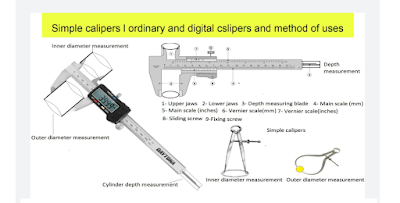
Simple calipers and vernier calipers, method of uses and calculations
Calipers: The calipers are very useful instruments. These instruments are used to measure the diameter of the cylinder, bore, bearing size, ...
-
 If you are searching for genuine hand woven, sustainable, and eco – friendly warm shawls, stoles, and scarves, the Himalayan weavers is off...
 -
 please click on the below link to read this article in Hindi यार्न की परिभाषा और यार्न के विभिन्न प्रकार या यार्न का वर्गीकरण VARIOUS TYPE...
 -
 CARDING: The carding is the second process of spinning which converts fed material (lap) into the uniform strand of fibres called “...
 -
 please click on the below link to read this article in Hindi एक सिस्टम से दूसरे सिस्टम में यार्न काउंट का रूपांतरण CONVERSION OF YARN COUN...