Showing posts with label slub yarn. Show all posts

Wednesday, July 28, 2021

यार्न की परिभाषा और यार्न के विभिन्न प्रकार या यार्न का वर्गीकरण ( Definition of yarn and classification of yarn)

Please click on the below link to read this full article in English:

TYPES OF YARN, CLASSIFICATION OF YARN

यार्न की परिभाषा और यार्न के विभिन्न प्रकार या यार्न का वर्गीकरण:                                 

सूत:

परिभाषा: "टेक्सटाइल के ट्विस्ट किये गए  रेशों के एक निरंतर स्ट्रैंड को यार्न कहा जाता है"। यार्न का उपयोग वीविंग  और नीटिंग  में किया जाता है।

धागा:

"दो या दो से अधिक धागों का एक सतत तंतु, जिसमें धागों को एक साथ ट्विस्ट किया  जाता है, धागे के रूप में जाना जाता है"। इसका उपयोग सुई के काम और क्रोशेंट वर्क  में किया जाता है।

सूत और धागे में अंतर:

हर धागा सूत का बना होता है। इसलिए हम धागे को यार्न के रूप में संदर्भित कर सकते हैं। लेकिन सूत को धागे के रूप में  संदर्भित नहीं किया जा सकता है।

यार्न का वर्गीकरण:

यार्न को दो मुख्य श्रेणियों में वर्गीकृत किया जा सकता है:

1- काता हुआ या स्टेपल यार्न

2- फिलामेंट यार्न

कता धागा( स्पन यार्न )

स्टेपल रेशों को आपस में ट्विस्ट करके  जो सूत बनाया जाता है उसे काता या स्टेपल सूत कहते हैं।

इसे विभिन्न आधारों के अनुसार विभिन्न उपश्रेणियों में वर्गीकृत किया जा सकता है:

प्लाई की संख्या के अनुसार:

प्लाई की संख्या के आधार पर यार्न को दो श्रेणियों में वर्गीकृत किया जा सकता है:

ए) सिंगल-प्लाई यार्न

बी) मल्टी-प्लाई यार्न

ए) सिंगल-प्लाई यार्न:

केवल एक प्लाई वाले स्पन  या स्टेपल यार्न को सिंगल-प्लाई यार्न कहा जाता है।

बी) मल्टी-प्लाई यार्न:

काता हुआ  या स्टेपल यार्न जिसमें एक से अधिक प्लाई को एक साथ ट्विस्ट किया  जाता है या केवल एक साथ समूहीकृत किया जाता है, उसे मल्टी-प्लाई यार्न कहा जाता है।

ट्विस्ट  की दिशा के अनुसार:

ट्विस्ट की दिशा के आधार पर स्पन या स्टेपल  यार्न को तीन श्रेणियों में वर्गीकृत किया जा सकता है:

1- एस - ट्विस्ट यार्न

2- जेड - ट्विस्ट यार्न

3- जीरो ट्विस्ट या ट्विस्ट रहित  यार्न

1- एस - ट्विस्ट यार्न:

काता हुआ या स्टेपल यार्न को घड़ी की सुई की दिशा में घुमाकर एस-ट्विस्ट यार्न प्राप्त किया  जाता है। इस धागे में रेशों का झुकाव कोण S (अंग्रेजी वर्णमाला के अक्षर) के बीच के भाग जैसा आकार बनाता है।

2- जेड - ट्विस्ट यार्न:

वामावर्त दिशा में ट्विस्ट  हुए  स्टेपल यार्न को Z - ट्विस्ट यार्न कहा जाता है। इस धागे में रेशों का झुकाव कोण Z (अंग्रेजी वर्णमाला के अक्षर) के बीच के भाग जैसा आकार बनाता है।

3- जीरो-ट्विस्ट या ट्विस्ट रहित  यार्न:

यह धागा बिना ट्विस्ट किये  स्टेपल फाइबर के ऊपर  घुलनशील फिलामेंट लपेटकर बनाया जाता है। लपेटने के लिए गर्म पानी में घुलनशील फिलामेंट्स का उपयोग किया जाता है। बुनाई के बाद, प्रसंस्करण के दौरान इन फिलामेंट्स को गर्म पानी में घोल दिया जाता है। इस प्रकार काता हुआ सूत वाला कपड़ा बिना ट्विस्ट  हुआ दिखता है, इसलिए इसे जीरो ट्विस्ट यार्न कहा जाता है।

ट्विस्ट  की डिग्री के अनुसार:

ट्विस्ट  की डिग्री के आधार पर, काता यार्न को तीन श्रेणियों में वर्गीकृत किया जा सकता है:

1. लो ट्विस्ट  यार्न

2. सामान्य ट्विस्ट  यार्न

3. उच्च ट्विस्ट  यार्न

1. लो ट्विस्ट  यार्न:

इस प्रकार के यार्न में मानक की तुलना में कम ट्विस्ट  होता है। इसमें  एक नरम एहसास होता  है। इसमें सामान्य ट्विस्ट यार्न की तुलना में कम ताकत होती है। यह संरचना में खराब चमक और कम स्पष्टता दिखाता है। यह सामान्य ट्विस्ट यार्न की तुलना में मोटा दिखता है। इस धागे से बने कपड़ों के पिलिंग गुण खराब होते हैं।

2. सामान्य ट्विस्ट  यार्न:

इस प्रकार के धागे में कताई मानदंडों और विशिष्टताओं के अनुसार एक सामान्य ट्विस्ट  होता है।

3. उच्च ट्विस्ट  यार्न:

इस प्रकार के यार्न में मानक की तुलना में उच्च स्तर का ट्विस्ट होता है। इस धागे में खुरदरापन होता है। यह धागा कपड़े की बनावट की स्पष्टता को बढ़ाता है। इसमें सामान्य ट्विस्ट यार्न की तुलना में अधिक ताकत होती है। यह सामान्य ट्विस्ट यार्न की तुलना में अच्छी चमक दिखाता है। यह यार्न, सामान्य ट्विस्ट यार्न की तुलना में बेहतर दिखता है। इसमें बेहतर पिलिंग गुण होते हैं।

इस्तेमाल की जाने वाली कताई प्रक्रिया के अनुसार:

उपयोग की जाने वाली कताई तकनीक के अनुसार, स्पन  यार्न को दो समूहों में वर्गीकृत किया जा सकता है:

1. रिंग फ्रेम यार्न

2. ओपन-एंड यार्न

1- रिंग फ्रेम यार्न:

रिंग फ्रेम मशीन द्वारा काते जाने वाले सूत को रिंग फ्रेम यार्न कहा जाता है।

इसे आगे निम्नलिखित श्रेणियों में विभाजित किया जा सकता है:

ए) कार्डेड यार्न

बी) सुपर कार्डेड यार्न

सी) सेमि कोम्बड यार्न

घ) कोम्बड  यार्न

ई) सुपर कोम्बड  यार्न

च) कॉम्पैक्ट यार्न

ए) कार्डेड यार्न:

इस यार्न में साधारण कार्डिंग प्रक्रिया की जाती है और यार्न को रिंग फ्रेम मशीन पर निर्मित किया जाता है। इस धागे में शॉर्ट-स्टेपल फाइबर होते हैं। इसमें गंदगी, टूटे बीज भी होते हैं। इसमें ताकत और यार्न की नियमितता ख़राब होती है।

बी) सुपर कार्डेड यार्न:

यह यार्न एक विशेष कार्डिंग प्रक्रिया के माध्यम से तैयार किया जाता है और यार्न को रिंग फ्रेम मशीन पर निर्मित किया जाता है। कार्डेड यार्न की तुलना में इस यार्न में  गंदगी, टूटे हुए बीज और यार्न की नियमितता कम होती है। यह कार्डेड यार्न की तुलना में बेहतर मजबूती और कम बाल दिखाता है।

ग) सेमि कोम्बड  यार्न:

इस प्रकार के धागों में कॉम्बिंग  की प्रक्रिया आंशिक रूप से की जाती है। यार्न का निर्माण रिंग फ्रेम मशीन पर किया जाता है। यार्न से छोटे रेशे, गंदगी और टूटे हुए बीज आंशिक रूप से हटा दिए जाते हैं। इस धागे में बेहतर समरूपता, बालों का झड़ना और मजबूती प्राप्त होती है।

डी) फुल कोम्बड  यार्न:

इस प्रकार के धागों में कॉम्बिंग की उत्तम प्रक्रिया अपनाई जाती है। यार्न रिंग फ्रेम यार्न पर बनाया गया है। यार्न से अधिकांश छोटे रेशे, गंदगी और टूटे हुए बीज हटा दिए जाते हैं। यह धागा उत्कृष्ट ताकत और समरूपता दिखाता है। इसमें बाल कम होते हैं। यह एक अच्छी चमक और कोमल एहसास दिखाता है।

ई) सुपर कोम्बड  यार्न:

इस प्रकार के धागों में विशेष कॉम्बिंग  प्रक्रिया अपनाई जाती है। यार्न का निर्माण रिंग फ्रेम मशीन पर किया जाता है। इस सूत में छोटे रेशे और गन्दगी को पूरी तरह से हटा दिया जाता है। टूटे हुए बीजों को इष्टतम स्तर तक हटा दिया जाता है। तंतुओं को अधिकतम स्तर तक सीधा किया जाता है। इसमें उत्कृष्ट शक्ति, समरूपता और बालों का स्तर होता है। इस यार्न में न्यूनतम यार्न अनियमितताएं हैं।

च) कॉम्पैक्ट यार्न:

इस प्रकार के यार्न के निर्माण के लिए रिंग फ्रेम में एक विशेष कॉम्पैक्ट स्पिनिंग  उपकरण का उपयोग किया जाता है। यह सूत सभी काते हुए धागों में सबसे अच्छी ताकत, समरूपता, और फील दिखाता है। इसमें कोई छोटा फाइबर और गंदगी नहीं है। इसमें बालों का सबसे अच्छा स्तर होता है। इसमें सभी काते हुए धागों में सबसे कम अनियमितताएं हैं।

2- ओपन-एंड यार्न:

यह यार्न एक ओपन-एंड मशीन (रोटर कताई मशीन) पर निर्मित होता है। यार्न को कार्डिंग से प्राप्त स्लिवर से सीधे काता जाता है। सूत बनाने की इस पद्धति में कताई की कई प्रक्रियाओं को दरकिनार कर दिया जाता है। इसलिए इस प्रक्रिया से प्राप्त यार्न रिंग फ्रेम यार्न से सस्ता होता है। इस प्रकार के धागे में छोटे रेशे होते हैं। इसमें कमजोर ताकत होती है। इसमें फाइबर के समान मिश्रण वाले किसी भी रिंग फ्रेम स्पन यार्न की तुलना में अधिक गंदगी और टूटे हुए बीज होते हैं। यह बालों के खराब स्तर, चमक और हैंड फील  को दर्शाता है। इस प्रकार के धागे में कई अनियमितताएं होती हैं।

फिलामेंट यार्न:

 "लंबे और  निरंतर फिलामेंट्स या फाइबर से बने  यार्न या तो ट्विस्टेड  या केवल एक साथ समूहित होता है, ऐसे यार्न को  फिलामेंट यार्न कहलाता है"। यह मानव निर्मित या सिंथेटिक हो सकता है।

फिलामेंट यार्न को निम्नानुसार वर्गीकृत किया जा सकता है:

1. मोनोफिलामेंट यार्न

2. बहु-फिलामेंट यार्न

मोनोफिलामेंट यार्न:

"केवल एक लंबे निरंतर फिलामेंट से युक्त यार्न को मोनोफिलामेंट यार्न कहा जाता है"। इसमें आमतौर पर एक ही मोटा रेशा होता है। इस फिलामेंट में सामान्य रूप से अच्छी ताकत होती है।

मल्टी फिलामेंट यार्न:

"एक से अधिक लंबे निरंतर फिलामेंट वाले यार्न को मल्टी-फिलामेंट यार्न के रूप में जाना जाता है"। एक से अधिक तंतु एक साथ समूहबद्ध होते हैं। फिलामेंट्स को अलग अलग  होने से बचाने के लिए इन फिलामेंट्स को ट्विस्टिंग या नीडल पंचिंग किया  जा सकता है। कभी-कभी फिलामेंट्स को केवल एक साथ समूहीकृत किया जाता है।

मल्टीफिलामेंट यार्न को आगे निम्नानुसार वर्गीकृत किया जा सकता है:

ए) ट्विस्टेड फिलामेंट यार्न

बी) रोटो फिलामेंट यार्न

ग) जीरो ट्विस्ट फिलामेंट यार्न

ए) ट्विस्टेड फिलामेंट यार्न:

लंबे और  निरंतर फिलामेंट्स को एक साथ समूहित करने वाले और फिलामेंट्स के अलग अलग होने से  रोकने के लिए ट्विस्ट वाले यार्न को ट्विस्टेड फिलामेंट यार्न कहा जाता है।

बी) रोटो फिलामेंट यार्न:

एक से अधिक लंबे निरंतर फिलामेंट को एक साथ समूहीकृत करने और फिलामेंट्स को अलग अलग  होने से बचाने के लिए नियमित अंतराल पर लंबाई में पंचों से युक्त यार्न को रोटो यार्न कहा जाता है।

ग) जीरो-ट्विस्ट फिलामेंट यार्न:

केवल एक साथ समूहबद्ध एक से अधिक लंबे निरंतर फिलामेंट्स से युक्त यार्न को जीरो-ट्विस्ट या ट्विस्ट-लेस फिलामेंट यार्न कहा जाता है।

फैंसी  यार्न:

 इसमें आमतौर पर दो या दो से अधिक स्टैंड होते हैं। सजावटी सतह प्रभाव प्रदान करने के लिए इन यार्न का उत्पादन किया जाता है। उद्देश्य के आधार पर, प्रत्येक स्ट्रैंड को बेस/कोर, इफेक्ट या बाइंडर के रूप में संदर्भित किया जाता है। बेस/कोर स्ट्रैंड संरचना और मजबूती प्रदान करता है।

प्रभाव स्ट्रैंड सजावटी विवरण बनाता है जैसे कि  लूप। बाइंडर का उपयोग प्रभाव यार्न को बेस यार्न से बांधने के लिए किया जाता है यदि बाइंडिंग आवश्यक हो।

फैंसी  यार्न की एक विस्तृत विविधता होती  है जो विभिन्न तकनीकों और प्रकार के फाइबर और स्ट्रैंड का उपयोग करके उत्पादित की जाती है। फैंसी  यार्न के लिए वर्गीकरण, काफी भिन्न होता है। इस खंड में आमतौर पर इस्तेमाल की जाने वाली कुछ फैंसी यार्न श्रेणियां शामिल हैं।

स्लब यार्न:

नियमित अंतराल पर निश्चित आकार के मोटे स्थान वाले सूत को स्लब सूत कहते हैं। यह सिंगल-प्लाई या मल्टी-प्लाई यार्न हो सकता है।

फ्लॉक  यार्न:

"जिस धागे में अलग-अलग रंग के रेशों के छोटे-छोटे गुच्छे होते हैं, उन्हें अंतराल पर जोड़ा जाता है,फ्लेक यार्न कहलाता है।" इन टफ्ट्स को आसानी से बाहर निकाला जा सकता है। फ्लॉक /फ्लेक यार्न आम तौर पर सिंगल यार्न होते हैं।

 नब, गाँठ और स्पॉट यार्न:

 प्लाई यार्न जिसमें प्रभाव यार्न को आधार यार्न के चारों ओर एक मोटा क्षेत्र या बम्प  बनाने के लिए ट्विस्ट किया  जाता है उसे नब, गाँठ या स्पॉट यार्न कहा जाता है।

बौक्ले  और लूप यार्न:

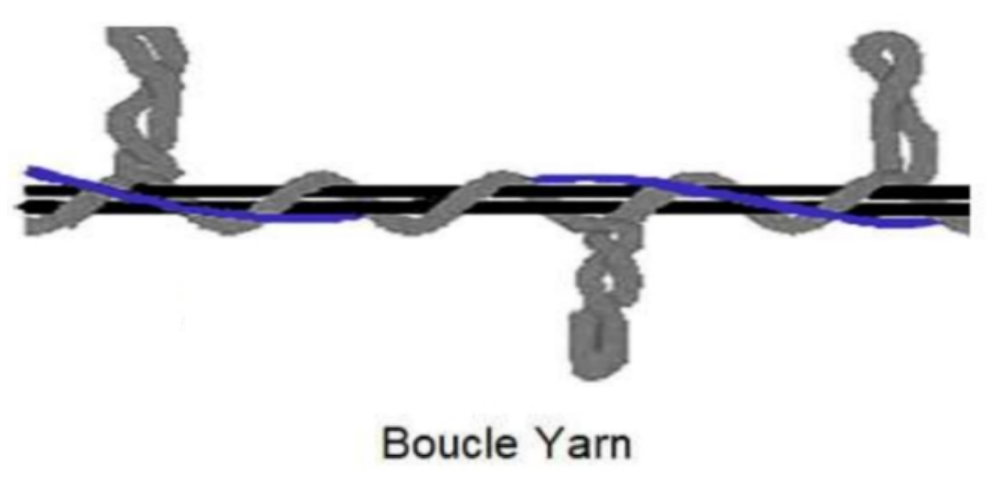
यार्न के तीन सेट - बेस या कोर यार्न, इफेक्ट यार्न, और टाई यार्न का उपयोग करके और बेस या कोर यार्न के चारों ओर लूप वाले प्रभाव वाले प्लाई को बौक्ले या लूप यार्न कहा जाता है। इस सूत में इफ़ेक्ट  यार्न को बाइंडर यार्न की मदद से कोर यार्न से बांधा जाता है।

सर्पिल और कॉर्कस्क्रू यार्न:

ये प्लाई यार्न होते हैं, जिसमें एक प्लाई मुलायम और मोटी होती है और दूसरी पतली  होती है।

सेनील यार्न:

ये पाइल  यार्न होता हैं जो अक्सर लीनो वीव  के कपड़े को ताना दिशा में संकीर्ण पट्टियों में काटकर बनाए जाते हैं।

टेक्सचर्ड  यार्न:

ये नई कताई तकनीकों का उपयोग करके विकसित सतह, आकार और बनावट के साथ पूरी तरह से खींचे गए फिलामेंट फाइबर से बने होते हैं। नायलॉन और पॉलिएस्टर दो मुख्य फाइबर हैं जो टेक्सचर्ड  यार्न  होते हैं। टेक्सचर्ड  वाले यार्न कपड़े के गुणों में कई बदलाव प्रदान करते हैं। टेक्सचर्ड  वाले धागे के दो मुख्य प्रकार हैं:

1. स्ट्रेच यार्न

2. थोक यार्न

स्ट्रेच  यार्न:

  यह निम्न विधियों में से किसी एक का उपयोग करके निर्मित किया जाता है।

1. थर्मोप्लास्टिक फिलामेंट फाइबर के लिए विशेष ताप-सेटिंग उपचार का उपयोग करके नायलॉन और पॉलिएस्टर जैसे फाइबर 

2. इलास्टोमेरिक फाइबर से।

3. द्वि-घटक तंतुओं से

4. द्वि-घटक रेशों से।

5. रासायनिक रूप से उपचारित प्राकृतिक रेशों से।

बल्क  यार्न:

ये कसकर बनाए गए ट्विस्टेड  धागों की तुलना में नरम और अधिक लचीले होते हैं। बल्क यार्न में भी बेहतर कवर होता है। वे कम पारदर्शी कपड़े बनाते हैं और दो प्रकार के होते हैं:

1. उच्च बल्क  यार्न

2. लूप-बल्क  या एयर-जेट यार्न

खोखले यार्न (हवा से भरपूर यार्न):

यह धागा स्टेपल फाइबर से बना होता है। पीवीए फाइबर की कुछ मात्रा को मुख्य सामग्री के साथ जोड़ा जाता है। यह पीवीए सामग्री गर्म पानी में घुलनशील होती  है और प्रसंस्करण के बाद पूरी तरह से समाप्त हो जाती है। इस प्रकार सूत में खोखला स्थान (वायु स्थान) निर्मित होता है। यह धागा नरम हो जाता है। यार्न की नमी अवशोषण  छमता भी बढ़ जाती है।

Wednesday, June 23, 2021

विभिन्न प्रकार के फैंसी यार्न ( Types of fancy yarns )

 विभिन्न प्रकार के फैंसी यार्न

 फैंसी यार्न:

 फैंसी यार्न एक तीस यार्न होता है जिसकी सतह सामान्य यार्न से अलग दिखाई देती है . फैंसी यार्न के अंदर के यार्न सतह को विभिन्न तरीकों से संशोधित किया जाता है। फैंसी यार्न के कुछ बहुत लोकप्रिय  उदाहरण नीचे दिए जा रहे हैं:

टेप यार्न:

ब्रेडिंग, क्रॉचिंग, ताना बुनाई और बाने बुनाई सहित विभिन्न प्रक्रियाओं का उपयोग करके टेप या रिबन यार्न का उत्पादन किया जाता है। हाल के दिनों में यह सामग्री विशेष रूप से फैशन निट वेअर में बेहतर जानी जाती है। उसी तरह संकीर्ण बुना हुआ रिबन, गैर-बुना सामग्री के संकीर्ण टेप, या स्लिट फिल्म का उपयोग करना भी संभव  होता है है। टेप यार्न  के धागे एक ट्यूब और फ्लैट रूप में निर्मित किये जाते  हैं।

मार्ल यार्न:

यह सबसे सरल फैंसी यार्न है। इस फैंसी यार्न में, अलग-अलग रंगों के दो धागों को यार्न  का  दोहरीकरण प्रक्रिया में एक साथ ट्विस्ट किया  जाता है। मार्ल यार्न की बनावट सामान्य डबल यार्न से अलग दिखती है। इन धागों का उपयोग पुरुषों के सूटिंग में पिनस्ट्रिप बनाने के लिए किया जाता है। बुने हुए कपड़े में अनियमित पैटर्न भी बनाए जाते हैं।

नोप यार्न:

नोप यार्न में इसके एक या अधिक घटकों के स्पष्ट  गुच्छे होते हैं। इन गुच्छों को यार्न की लंबाई के साथ नियमित या अनियमित दूरी के अंतराल पर व्यवस्थित किया जाता है। यह आमतौर पर दो जोड़ी रोलर्स वाले उपकरण का उपयोग करके बनाया जाता है। रोलर्स की प्रत्येक जोड़ी में स्वतंत्र रूप से संचालित होने  की क्षमता होती है। यह व्यवस्था बेस यार्न   को रुक-रुक कर वितरित करना संभव बनाती है। नैपिंग यार्न   लगातार वितरित किया  जाता है। ट्विस्ट इंसर्शन नोप  के धागे को एक नोप  या गुच्छा में इकट्ठा करता है। नोप  के धागे की ऊर्ध्वाधर गति एक नोप  बनाती है। नॉपिंग बार की ऊर्ध्वाधर गति यह निर्धारित करती है कि नोप  छोटा और कॉम्पैक्ट है या यार्न की लंबाई के साथ फैला हुआ है।

डायमंड यार्न:

डायमंड यार्न  को बनाने के लिए मोटे सिंगल यार्न को मोड़कर या बारीक सूत या एस-ट्विस्ट का उपयोग करके विषम रंग के फिलामेंट के साथ ट्विस्ट करके  बनाया जाता है। यह Z-ट्विस्ट का उपयोग करके समान महीन यार्न के साथ ट्विस्ट करके भी बनाया जाता है। डायमंड यार्न के प्रभाव की एक विस्तृत श्रृंखला का उत्पादन करने के लिए इस तकनीक को बढ़ाकर और अलग-अलग करके मल्टीफोल्ड केबल यार्न बनाया जा सकता है।

जिम्प यार्न:

जिम्प यार्न एक मिश्रित यार्न होता  है जिसमें एक ट्विस्टेड  कोर होता है जिसके चारों ओर एक इफ़ेक्ट यार्न लपेटा जाता है ताकि यार्न की सतह पर लहरदार प्रक्षेपण उत्पन्न हो सके। चूंकि बाइंडर यार्न को संरचना को स्थिरता प्रदान करने की आवश्यकता होती है इसीलिए  पूरा यार्न दो चरणों में तैयार होता है । सबसे पहले, व्यापक रूप से अलग-अलग काउंट के दो धागे एक साथ डॉबलिंग करते  हैं।  पतले धागे के चारो ओर मोटा धागा लपेटा जाता है  और फिर रिवर्स बाउंड किया जाता  हैं। रिवर्स वाइंडिंग की प्रक्रिया उस ट्विस्ट को हटा देती है जो एक लहराती प्रोफ़ाइल बनाता है क्योंकि यह इफ़ेक्ट  यार्न को पूरे यार्न की वास्तविक लंबाई से अधिक लंबा बनाता है। जिम्प यार्न के बनावट गुण स्पष्ट रूप से स्पाइरल  यार्न से बेहतर होते हैं।

स्पाइरल  या कॉर्कस्क्रू यार्न:

यह एक प्लाइड यार्न है जो एक यार्न घटक के दूसरे के चारों ओर विशेषता चिकनी स्पाइरालिंग  प्रदर्शित करता है। यह बहुत हद तक मार्ल यार्न के समान होता  है। एक सूत को स्पाइरल  सूत में ओवरफीड किया जाता है।

बौक्ले  यार्न:

इस प्रकार के धागे की विशेषता एक टाइट  लूप होती है जो यार्न के बॉडी  पर  काफी नियमित अंतराल पर प्रक्षेपित होता है। इस  यार्न में तीन अलग-अलग यार्न होते हैं। यार्न के तीन घटक कोर, प्रभाव और टाई या बाइंडर यार्न कहलाते हैं। प्रभाव यार्न को कोर या बेस यार्न के चारों ओर लूप में लपेटा जाता है। तीसरे प्लाई (बाइंडर) को लूप्स को  अपनी  जगह पर स्थिर रखने के लिए इफेक्ट प्लाई के ऊपर लपेटा जाता है।

लूप यार्न:

लूप यार्न में एक कोर यार्न होता है जिसके चारों ओर एक प्रभाव यार्न लपेटा जाता है और इसकी सतह पर लगभग गोलाकार लूपी प्रोजेक्शन उत्पन्न करने के लिए ओवरफेड होता है। कोर यार्न में दो प्लाई एक साथ मुड़े होते हैं। कोर यार्न प्रभाव यार्न में फंस जाता है। आमतौर पर इस सूत को बनाने के लिए चार सूत का इस्तेमाल किया जाता है। दो यार्न कोर या ग्राउंड यार्न बनाते हैं। प्रभाव यार्न 200% या उससे अधिक की ओवरफीड के साथ बनते हैं। प्रभाव यार्न पूरी तरह से बेस  के धागे में नहीं फंसा होता  है, इसलिए आवश्यक होता  है की लूप का आकार ओवरफीड की मात्रा  के स्तर से निर्धारित होता है।

फेस्सिनेटेड यार्न:

यह एक स्टेपल फाइबर यार्न होता  है। इसमें समानांतर तंतुओं का एक कोर होता है। ये फाइबर रैपर फाइबर द्वारा एक साथ बंधे होते हैं। एयर-जेट कताई प्रक्रिया द्वारा उत्पादित यार्न को इस तरह से संरचित किया जाता है। खोखले स्पिंडल विधि द्वारा उत्पादित यार्न भी अक्सर फेस्सिनेटेड यार्न का एक  रूप  होता है, क्योंकि बाइंडर समानांतर फाइबर के अनिवार्य रूप से मोड़ रहित कोर पर लगाया जाता है।

स्लब यार्न:

इस प्रकार के सूत में, सूत में वांछित अनियमितता बनाने के लिए जानबूझकर स्लब बनाए जाते हैं। स्लब यार्न में मोटे स्थान होते हैं जो बहुत धीरे-धीरे परिवर्तन का रूप ले सकते हैं, इसके सबसे मोटे बिंदु पर यार्न का केवल थोड़ा मोटा होता है । स्लब की मोटाई बेस यार्न की तुलना में तीन से चार गुना अधिक मोटी होती है। यार्न की मोटाई छोटी यार्न लंबाई के लिए हासिल की जाती है।

सेनिल  यार्न:

वास्तविक सेनील यार्न एक बुने हुए लीनो संरचना से निर्मित होता है जो एक यार्न के रूप में काम करने के लिए एक संकीर्ण, वार्प वाइज  पट्टी को यार्न के रूप में प्रयोग होता है। सेनील यान में इसकी सतह पर पाइल्स  होते हैं। पाइल्स  की लंबाई यार्न की पूरी लंबाई में लगभग एक समान होती है। यदि आप अनियमित पाइल लंबाई उत्पन्न करते हैं तो पाइल  की लंबाई भी भिन्न हो सकती है। इन धागों का उपयोग साज-सज्जा और परिधान में किया जाता है। इसमें फजी और मुलायम पाइल  होते हैं। विशेष मशीन का उपयोग  इस यार्न को बनाने में किया जाता है

कवर्ड यार्न :

ढके हुए धागे में एक कोर होता है जो पूरी तरह से फाइबर या किसी अन्य धागे से ढका होता है। कोर यार्न इलास्टोमेरिक यार्न जैसे रबर, स्पैन्डेक्स या कोई अन्य यार्न हो सकता है। यह सिंगल या डबल कवरिंग दोनों द्वारा निर्मित होता है। दूसरा आवरण आमतौर पर आंतरिक आवरण की विपरीत दिशा में ट्विस्ट होता है। इन धागों से बने कपड़े का वजन अधिक होता है।


कम्पोजिट यार्न:

इन सूत को मिश्रित सूत के रूप में भी जाना जाता है। इन धागों में कम से कम दो धागे होते हैं। एक धागा मिश्रित धागे का बेस  बनाता है और दूसरा धागा शीथ बनाता है। एक धागा स्टेपल यार्न होता  है और दूसरा फिलामेंट यार्न होता  है। यौगिक यार्न का  व्यास बराबर होता है  और यह चिकना  भी होता  हैं। ये यार्न स्पन और फिलामेंट यार्न के समान गणना रेंज में उपलब्ध हैं

धातु यार्न:

धातु के धागे को मोनोफिलामेंट या प्लाई यार्न से बनाया जा सकता है। धातु के धागे के निर्माण के लिए दो प्रकार की प्रक्रियाओं का उपयोग किया जाता है। लेमिनेशन प्रक्रिया में  एसीटेट या पॉलिएस्टर फिल्म की दो परतों के बीच एल्यूमीनियम की एक परत को सील कर देती है जिसे यार्न के लिए स्ट्रिप्स में काट दिया जाता है। धातुकरण प्रक्रिया एल्यूमीनियम को उच्च दबाव में वाष्पीकृत करती है और यह पॉलिएस्टर फिल्म पर जमा हो जाती है।

Wednesday, March 3, 2021

Different types of fancy yarns


 Fancy yarns:

The fancy yarn is a yarn that looks different from regular yarns. The yarn surface of fancy yarns is modified by different methods. The common examples of fancy yarns are given below:

Tape yarn: 

Tape or ribbon yarn may be produced using various processes including braiding, crocheting, warp knitting, and weft knitting. In recent times this material has become better known especially in fashion knitwear. It is also possible to use narrow woven ribbon, narrow tapes of nonwoven material, or slit film in the same way. The taps yarns are manufactured in a tube and flat form.

Marl yarn:

This is the simplest fancy yarn. In this fancy yarn, two yarns of different colours are twisted together in the yarn doubling process. The texture of marl yarn looks different from normal double yarn. These yarns are used to manufacture discreet pinstripes in man's suitings. Irregular patterns are also made in the knitted fabric.

Knop yarn:

The knop yarn contains prominent bunches of one or more of its components. These bunches get arranged at regular or irregular distance intervals along yarn length. It is usually produced by using an apparatus with two pairs of rollers. Each pair of rollers has the capability to operate independently. This arrangement makes it possible to deliver the base thread intermittently. The knoping thread gets delivered continuously. The twist insertion collects the knoping thread into a knop or bunch. The vertical movement of the knoping thread forms a knop. The vertical movement of knoping bars determines whether knop is small and compact or spread out along the yarn length.

Diamond yarn:

A diamond yarn is produced by folding a coarse single yarn or roving with a fine yarn or filament of contrasting colour using an S-twist. This is cabled with similar fine yarn using Z-twist. Multifold cabled yarn may be made by extending and varying this technique to produce a wide range of effects. 

Gimp yarn: 

A gimp yarn is a compound yarn consisting of a twisted core with an effect yarn wrapped around it so as to produce wavy projection on the yarn surface. Since a binder yarn requires providing stability to the structure so that complete yarn gets produced in two stages. First of all, two yarns of widely varying counts are plied together. Thick around thin and are then reverse bound. the process of reverse winding removes the twist that creates a wavy profile as it makes the effect yarn longer than the actual length of the complete yarn. The texture properties of gimp yarn are clearly better than spiral yarn.

Spiral or corkscrew yarn:

This is a plied yarn displaying the characteristic smooth spiralling of one yarn component around the other. It is very similar to the marled yarn. One yarn is overfed in spiral yarn. 

Boucle yarn:

This type of yarn is characterized by a tight loop projecting from the body of the yarn at fairly regular intervals. These yarns consist of three different yarns. The three components of yarn are core, the effect, and tie or binder. The effect yarn is wrapped in loops around a core or base yarn. The third ply ( binder) is wrapped over the effect ply in order to hold the loops in place.

Loop yarn: 

The loop yarn consists of a core yarn with an effect yarn wrapped around it and overfed to produce a nearly circular loopy projection on its surface. The core yarn has two plies twisted together. Core yarn entraps the effect yarn. Generally, four yarn are used to produce this yarn. Two yarns make core or ground yarn. The effect yarns are formed with an overfeed of 200 % or more. The effect yarn is not entrapped completely by ground threads, therefore, is necessary. The size of the loop is determined by the level of overfeeding. 


Fascinated yarn:

This is a staple fibre yarn. It consists of a core of parallel fibres. These fibres are bound together by wrapper fibres. Yarn produced by the air-jet spinning process is structured in this way. The yarn produced by the hollow spindle method is also frequently as fascinated yarn, as a binder is applied to an essentially twistless core of parallel fibres. 

Slub yarn:

In this kind of yarn, the slubs are deliberately created to make desired discontinuity effect in the yarn. The slubs are thick places in the yarn that may take the form of a very gradual change with only a slight thickening of yarn at its thickest point. The thickness of the slub gets three to four-time coarser than base yarn. The yarn thickness is achieved for short yarn lengths. 


Chenille yarn:

The actual chenille yarn is produced from a woven leno structure that is slit into a narrow, warp-wise stripe to serve as a yarn. the chenille yan contains piles on its surface. The pile length gets almost uniform throughout the yarn length. The pile length may also be varied if you produce irregular pile length. These yarns are used in furnishing and apparel. It has fuzzy and soft piles. the specialized machine is used to produced chenille yarn.


Covered yarn:

The covered yarn has a core that is completely covered by fibre or another yarn. The core yarn may be elastomeric yarn such as rubber, spandex, or any other yarn. It is manufacture by single or double covering both. The second covering is usually twisted in the opposite direction of the inner covering. The fabric made with these yarn has a heavier weight.


Composite yarn:

These yarns are also known as compound yarn. These yarns consist of at least two threads. One thread makes the core of the composite yarn and the other thread makes sheath components. One thread is a staple yarn and the other is a filament yarn.  The compounds yarns are even in diameter and smoothness. These yarns are available in the same count range as spun and filament yarns

Metallic yarn:

The metallic yarn may be made of monofilament or ply yarn. There are two kinds of processes used to manufacture metallic yarn. The lamination process seals a layer of aluminium between two layers of acetate or polyester film which is cut into strips for yarn. The metalizing process vaporizes the aluminium at high pressure and it gets deposited on the polyester film.

PLEASE WATCH BELOW VIDEO IN HINDI ABOUT DIFFERENT TYPES OF FANCY YARNS:


Tuesday, October 23, 2018

Types of yarn, Classification of yarn


please click on the below link to read this article in Hindi


VARIOUS TYPES OF YARN OR CLASSIFICATION OF YARN:
                                        

YARN:

DEFINITION:  “a continuous strand of twisted textile fibres is called yarn”. The yarn is used in weaving and knitting.

Thread:  

a continuous strand of two or more plies of yarn, in which plies of yarns are twisted together is known as thread”. It is used in needlework and the weaving of cloth.

Difference between yarn and thread:

Every thread is made of yarn. Therefore we can refer to the thread as yarn. But yarn cannot be referred to the thread.
The main differences between yarn and thread are being given in below table:


CLASSIFICATION OF YARN:

The yarn can be classified into two main categories:
1-  Spun or staple yarn
2-  Filament yarn

Spun yarn:

The yarn made of staple fibres by twisting together is called spun or staple yarn.
It can be classified into various subcategories according to different bases:
According to the number of plys: 

on the basis of the number of ply, the yarn can be classified into two categories:
a)  Single-ply yarn
b)  Multi-plys yarn

a)  Single-ply yarn:

The spun or staple yarn having only one ply is called single-ply yarn.

b)  Multi-plys yarn:

The spun or staple yarn consisting of more than one ply twisted together or grouped together only is called multi-plys yarn.

According to the direction of the twist: 

on the  basis of the direction of twist the spun yarn can be classified into three categories:
1-   S – twist yarn
2-   Z – twist yarn
3-   Zero twist or twist less yarn

1-  S – twist yarn:

Spun or staple yarn twisted in a clock-wise direction is called S – twist yarn. The inclination angle of fibres in this yarn makes the shape like S( English alphabet letter).

2-  Z – twist yarn:

Spun or staple yarn twisted in an anti-clockwise direction is called Z – twist yarn. The inclination angle of fibers in this yarn makes the shape like Z(English alphabet letter).

3-  Zero-twist or twist less yarn:

This yarn is made by wrapping soluble filament with untwisted staple fibres. Hot water soluble filaments are used for wrapping. After weaving, these filaments are dissolved in hot water during processing. Thus fabric having spun yarn looks twistless, therefore, it is called zero twist yarn.

According to the degree of the twist: 

on the basis of the degree of twist, the spun yarn can be classified in three categories:
1.  Low twist yarn
2.  Normal twist yarn
3.  High twist yarn

1.  Low twist yarn:

This type of yarn contains less degree of twist than standard. It has bulkiness and a soft feel. It posses less strength than normal twist yarn. It shows poor lustre and less clarity in the structure. It looks coarser than normal twist yarn. The Pilling properties of fabrics made of this yarn are poor.

2.  Normal twist yarn:

This type of yarn has a normal twist as per spinning norms and specifications.

3.  High twist yarn:

This type of yarn contains a higher degree of twist than standard. This yarn has a rough feel. This yarn increases the clarity of the texture of the fabric. It posses higher strength than normal twist yarn. It shows good lustre in comparison to normal twist yarn. The yarn looks finer than normal twist yarn. It has better pilling properties.
According to the spinning process used:

according to the spinning technology used, the spun yarn can be classified into two groups:
1.  Ring frame yarn
2.  Open-end yarn

1-  Ring frame yarn:

The yarn being spun by the ring frame machine is called ring frame yarn.
It can be further divided into the following categories:
a)  Carded yarn
b)  Super carded yarn
c)  Semi-combed yarn
d)  Combed yarn
e)  Super combed yarn
f)    Compact yarn

a)  Carded yarn:

In this yarn ordinary carding process is done and the yarn is manufactured on the ring frame machine. This yarn has short-staple fibres in it. It contains dirt, broken seeds too. It has poor strength and yarn regularities.

b)  Super carded yarn:

This yarn is produced through a special carding process and the yarn is manufactured on the ring frame machine. This yarn contains less dirt, broken seeds, and yarn regularities in comparison to carded yarn. It shows better strength and lower hairiness than carded yarn.

c)  Semi-combed yarn:

In this type of yarn, the combing process is done partially. The yarn is manufactured on the ring frame machine. Short fibres, dirt, and broken seeds are removed partially from the yarn. Better evenness, hairiness, and strength are achieved in this yarn.

d)  Fully combed yarn:

In this type of yarn, a perfect combing process is adopted. The yarn is made on ring frame yarn. Most of the short fibres, dirt, and broken seeds are eliminated from the yarn. This yarn shows excellent strength and evenness. It has low hairiness in it. It shows a good lustre and soft feel.

e)  Super combed yarn:

In this type of yarn special combing process is adopted. The yarn is manufactured on the ring frame machine. In this yarn, short fibres and dirt are removed completely. Broken seeds are removed up to optimum level. Fibres are straightened up to maximum level. It has excellent strength, evenness, and hairiness levels. This yarn contains minimum yarn irregularities.

f)    Compact yarn:

A special compact spinning device in the ring frame is used to manufacture this type of yarn. This yarn shows the best strength, evenness, lurte, and feel among all spun yarns. It has no short fibres and dirt. It has the best level of hairiness in it. It has the lowest level of irregularities among all spun yarns.

2-  Open-end yarn:

This yarn is manufactured on an open-end machine( rotor spinning machine). The yarn is directly spun from a sliver obtained from carding. Many processes of spinning are bypassed in this method of producing the yarn. Therefore yarn obtained from this process is cheaper than ring frame yarn.  This type of yarn contains short fibres. It has poor strength. It contains more dirt and broken seeds than any ring frame spun yarn having the same mixing of fibres. It shows the poor level of hairiness, lustre, and hand feel. This type of yarn contains many irregularities.


·         Low twist yarn
·         High twist yarn
·         Normal twist yarn

Filament  yarn:

 “The yarn consisting of long continuous filaments or fibres either twisted or only grouped together is called filament yarn”. It may be man-made or synthetic.
Filament yarns can be classified as follows:


1.  Monofilament yarn
2.  Multi-filament yarn

Monofilament yarn:

“The yarn consisting of only one long continuous filament is called monofilament yarn”. It generally has a single coarse filament in it. This filament has good strength normally.

Multi-filament yarn:

“The yarn having more than one long continuous filament together is known as multi-filament yarn”. More than one filament is grouped together. These filaments may be twisted or punched to prevent the fraying of filaments. Sometimes filaments are grouped together only.

The multifilament yarns further can be classified as follows:
a)  Twisted  filament yarn
b)  Rotto filament yarn
c)  Zero twist filament yarn

a)  Twisted  filament yarn:

The yarn consisting of more than long continuous filaments grouped together and having the twist to stop the fraying of filaments is called twisted filament yarn.

b)  Rotto filament yarn:
The yarns consisting of more than one long continuous filament grouped together and having punches in length at a regular interval of distance to prevent the fraying of filaments is called rotto yarn.

c)  Zero-twist filament yarn:
The yarn consisting of more the one long continuous filaments grouped together only is called zero-twist or twist-less filament yarn.

Novelty yarn:
 It typically consists of two or more stands. These yarns are produced to provide decorative surface effects. Based on the purpose, each strand is referred to as the base/core, effect, or binder. The base/core strand provides structure and strength.

  The effect strand creates decorative detail such as knots and loops. The binder is used to tie the effect yarn to the base yarn if the binding is necessary. 

There is a wide variety of novelty yarns that are produced using different techniques and types of fibres and strands.  The terminology, as well as the classification for novelty yarns, varies considerably. Some of the commonly used novelty yarn categories are included in this section.

Slub yarn:

The yarn having fixed size thick places at regular intervals of distance is called slub yarn. It may be either single-ply or multi-plys yarn.

Flock/flake yarn:

“The yarn having small tufts of different coloured fibres added at intervals is called flock/flake yarn”. These tufts may be easily pulled out. Flock/flake yarns are generally single yarns.

 Nub, knot, and spot yarn:

 The plys yarn in which the effect yarn is twisted around the base yarn to produce a thicker area or a bump is called nub, knot, or spot yarn. 

Bouclé and loop yarn:

The plys made by using three sets of yarns – base or core yarn, effect yarn, and tie yarn and having the looped effect around the base or core yarn is called boucle or loop yarn. In this yarn, the effect yarn is tied with core yarn with help of binder yarn.

Spiral and corkscrew yarn:

These are ply yarns, in which one ply is soft and thick and the other is fine. 

Chenille yarn:

These are pile yarns that are often made by slitting leno weave fabrics into narrow strips in the warp direction.

Textured yarn:

These are made of fully drawn filament fibres with a changed surface, shape, and texture developed by using the new spinning techniques. Nylon and polyester are two main fibres that are textured. Textured yarns provide many variations in fabric properties. There are two main types of textured yarns:

1.  Stretch yarns  
2.  Bulk yarns

Stretch yarn:

  It is manufactured by using one of the following methods.
1.   By using special heat-setting treatment to thermoplastic filament fibres such as nylon and polyester
2.   From elastomeric fibres.
3.   From bi-component fibres
4.    From bi-constituent fibres.
5.   From chemically treated natural fibres.  

Bulk Yarns:

These are softer and much pliable than tightly constructed twisted yarns. Bulk yarns also have a better cover. They create less transparent fabrics and are of two types:
1. High bulk yarns
2. Loop-bulk or air-jet yarns

Hollow yarn ( air rich yarn) : 

This yarn is made of staple fibers. Some quantity of PVA fibers is added with the main content. this PVA content is soluble in hot water and is eliminated completely after processing. Thus the hollow space ( air space) is created in the yarn. this yarn becomes softer. the moisture absorbency of yarn is also increased.

PLEASE WATCH BELOW FULL VIDEO IN HINDI ABOUT TYPES OF YARN OR CLASSIFICATION OF YARN:


Related articles:


Featured Post

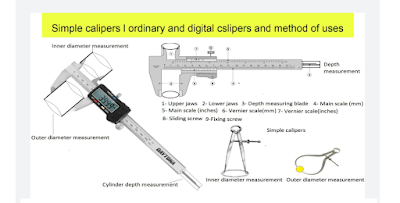
Simple calipers and vernier calipers, method of uses and calculations

Calipers: The calipers are very useful instruments. These instruments are used to measure the diameter of the cylinder, bore, bearing size, ...