Showing posts with label weft bands. Show all posts

Saturday, September 24, 2022

कपड़े में मिसिंग पिक, एक कपड़ा दोष, एक बुनाई दोष, कारण और उपचार (MISSING PICK IN THE FABRIC, A FABRIC DEFECT, A WEAVING DEFECT, CAUSES, AND REMEDIES )

 Please click on the below link to read this article in English:

MISSING PICK IN THE FABRIC, A FABRIC DEFECT, A WEAVING DEFECT, CAUSES, AND REMEDIES


कपड़े में मिसिंग पिक, एक कपड़ा दोष, एक बुनाई दोष, कारण और उपचार


कपड़े में मिसिंग पिक:

यह एक बहुत ही सामान्य कपड़ा दोष होता है । "यदि कपड़ा में किसी जगह पर कपड़े की पूरी चौड़ाई में बाने का धागा पूरी तरह से अनुपस्थित हो जाता है, तो इस कपड़ा दोष को  मिसिंग  पिक कहा जाता है"। कृपया नीचे दिए गए ग्राफिक देखें।

बुनाई के दौरान कपड़े में आने वाले इस प्रकार के दोष के लिए मुख्य रूप से कई कारक जिम्मेदार होते हैं। मुख्य कारक और उनके उपाय नीचे दिए जा रहे हैं:

* बुनकर की लापरवाही, वेफ्ट डिटेक्टर के सही तरह से  काम न करने और लूम की ब्रेक दक्षता के कारण कपड़े में मिसिंग पिक डिफेक्ट उत्पन्न होता है। जब करघे पर एक बाने का टूटता  है, तो स्वचालित पिक फाइंडिंग डिवाइस प्रत्येक बाने के टूटने के बाद कपड़े के फेल ऑफ़ दा क्लॉथ पोजीशन  को ठीक कर देता है। लेकिन कभी-कभी पिछले पिक में बाने के धागे का एक टुकड़ा बुन जाता है। अब बुनकर की भूमिका कपड़े की फेल ऑफ़ दा क्लॉथ पोजीशन  स्थिति को ठीक करने में आती है। इस स्थिति में, कपड़े के फेल ऑफ़ दा क्लॉथ पोजीशन को सही  से ठीक करने के लिए अतिरिक्त देखभाल की आवश्यकता होती है। बुनकर तय करता है कि किस तरह की पिक फाइंडिंग की जरूरत है। वह आवश्यकता के अनुसार रिवर्स या फॉरवर्ड पिक फाइंडिंग एक्शन कर सकता है और कपड़े की फेल ऑफ़ दा क्लॉथ पोजीशन को सही तरह  से ठीक कर सकता है। फेल ऑफ़ दा क्लॉथ पोजीशन की रिकवरी के दौरान किसी भी प्रकार की गलती के कारण कपड़े में मिसिंग पिक दोष  आ जाता है।

* आज का करघा एक अत्यधिक संवेदनशील वेफ्ट के धागे को फील करने  वाले उपकरण से सुसज्जित होता  है। यह वेफ्ट  डिटेक्टर बुनाई के दौरान पिक की पूरी यात्रा पर पूरी तरह से नजर रखता है। कभी-कभी इलेक्ट्रॉनिक समस्या के कारण वेफ्ट  डिटेक्टर वेफ्ट  यार्न का पता लगाने में असफल हो  जाता है और यह बुनाई के दौरान  बाने के धागे के  टूटने के बाद करघे को रोकने में विफल रहता है। वेफ्ट  डिटेक्टर के इस दोषपूर्ण कार्य के परिणामस्वरूप मिसिंग  पिक के रूप में परिणाम होता है।

* मिसिंग  पिक कपड़े में एक बहुत ही गंभीर दोष होता है। इसे कुछ  प्रकार के कपड़े में मैन्युअली ठीक किया जा सकता  है जैसे डबल प्लाई यार्न और सादे बुनाई, टवील या साटन बुनाई के साथ बुने हुए कपड़े। इस तरह की खराबी को ठीक करने में काफी समय लगता है। यदि कपड़े में इस तरह के दोष की आवृत्ति बहुत अधिक होती  है, तो कपड़े रिजेक्ट भी हो  सकता है।

* बुनकर का कौशल भी इस तरह के दोष (मिसिंग  पिक) में एक बहुत बड़ा कारक होता  है। कपड़े केफेल ऑफ़ दा क्लॉथ पोजीशन  को ठीक करने के लिए एक बुनकर को ठीक से प्रशिक्षित किया जाना चाहिए।

* करघे के ब्रेक की दक्षता भी कपड़े में एक मिसिंग  पिक दोष का कारण बनती है। आम तौर पर, दो चक्कर लगाने के बाद करघा रुक जाता है जब बुनाई के दौरान बाने का टूटता  है और  यदि करघे का ब्रेक कुशलता से काम नहीं कर रहा है, तो करघा दो चक्कर लगाने के बाद भी नहीं रुकता है। लूम सामान्य स्थिति की तुलना में अधिक चक्कर लगाता है। इस मामले में, बुनकर को कपड़े के फेल ऑफ़ दा क्लॉथ पोजीशन के  सही रिकवरी  के दौरान बहुत अधिक कठिनाइयों का सामना करना पड़ता है। इस स्थिति में बुनाई के दौरान कपड़े के मिसिंग पिक आने की संभावना बढ़ जाती है।

* यदि करघा ठीक से नहीं रुक रहा है और बाने टूटने के बाद अतिरिक्त चक्कर लगा रहा है, तो इस तरह की समस्या से बचने के लिए ब्रेक गैप को ठीक से सेट किया जाना चाहिए।

कृपया इस टॉपिक को अच्छी तरह से समझने के लिए नीचे दिए गए वीडियो लिंक पर क्लिक करें:


Friday, September 23, 2022

कपड़े में डबल एन्ड , एक कपड़ा दोष, एक बुनाई दोष, कारण और उपचार ( DOUBLE END IN THE FABRIC, A FABRIC DEFECT, A WEAVING DEFECT, CAUSES, AND REMEDIES )

इस आर्टिकल को इंग्लिश में पढ़ने के लिए नीचे दिए गए लिंक पर क्लिक करें:

DOUBLE END IN THE FABRIC, A FABRIC DEFECT, A WEAVING DEFECT, CAUSES, AND REMEDIES


 कपड़े में डबल एन्ड , एक कपड़ा दोष, एक बुनाई दोष, कारण और उपचार


डबल एन्ड:


कपड़े की सतह पर एक ऐसा  विशेष स्थान जहाँ कपड़े में एक एन्ड  के स्थान पर दो एंड्स  एक साथ दिखाई देते  हैं, तो इस तरह के कपड़ा दोष को  डबल एन्ड दोष  कहा जाता है। यह कभी - कभी थिक एन्ड  जैसा भी दिखता है। साइज़िंग के दौरान आपस में चिपके हुए एंड्स  ड्रॉप पिन, हील्ड वायर  और रीड के डेंट से होकर कपड़े में बुनाई होने लगते  हैं और डबल एंड्स दोष  उत्पन्न करते हैं। कभी-कभी, आने वाले शार्ट एंड्स  या एक्स्ट्रा एंड्स   भी बुनाई के दौरान कपड़े से बुनाई हो जाते  है और इसका परिणाम डबल एंड्स  के रूप में होता है। कृपया डबल एंड के लिए नीचे दिए गए ग्राफिक  को देखें।


You may also interested in following articles:


कृपया इस टॉपिक को अच्छी तरह से समझने के लिए नीचे दिए गए वीडियो  लिंक पर क्लिक करें:


Sunday, January 27, 2019

BROKEN PICK IN THE FABRIC, A FABRIC DEFECT, A WEAVING DEFECT, CAUSES, AND REMEDIES

Please click on the below link to read this full article in Hindi:


BROKEN PICK IN THE FABRIC:


"If weft yarn gets absent in the middle of the fabric for a short length, it is called a broken pick". See below graphic. The main factors generating broken pick and their remedies are given below:


Causes and remedies of broken picks:

1 - A broken-pick defect in the fabric occurs mainly due to the poor quality of the weft yarn and loom settings. 

2 - The thin places present in the weft yarn can generate broken pick in the fabric. If weft yarn has low strength, then it causes broken pick. When the weft yarn passes between the top and bottom layer during picking, a certain tension is applied to weft yarn. The weft yarn having poor tensile strength and excessive thin places doesn't able to bear the tension and gets broken in the middle of the fabric. 

3 - Loom setting plays a great role in the generation of a broken pick in the fabric. Shed crossing timing (a loom position at which the ends of the top and bottom layer are levelled) directly affects the frequency of this defect. Early shed crossing timing always creates a chance of broken pick in the fabric. As soon as the loom reaches the shed crossing position, the tension on the weft yarn reaches up to the maximum. In this situation, the weft yarn doesn't able to bear the tension and gets broken in the middle of the fabric. 

 4 - If the receiving gripper releases the weft yarn later than required, this kind of situation can create broken pick defect in the fabric.how does it happen? When receiving gripper is about to exit from the shed, the shed starts to get closed and  crossing position, the warp ends grip the weft yarn completely. Here late weft release by gripper pulls the weft yarn. Thus chances of broken pick get increased. 

5 - If the frequency of this kind of defect in the fabric is high, then fabric gets rejected. Weaver should always be very careful about this kind of defect.
                               
You may also interested in the following articles

Size mark in the fabric, a fabric defect

Warp floats in the fabric, causes, and remedies


Abrasion Marks in the fabric        

Please click on the video link to watch above full topic discussion in Hindi:


MISSING PICK IN THE FABRIC, A FABRIC DEFECT, A WEAVING DEFECT, CAUSES, AND REMEDIES

Please click on the below link to read this article in Hindi:


MISSING PICK IN THE FABRIC:

This is a very common fabric defect. "If the weft yarn gets completely absent across the full width of the fabric, then this is termed as a missing pick". See below graphic.


There are so many factors which are mainly responsible for this kind of defect occurring during weaving. The main factors and their remedies are being given below:

Missing pick defect generates in the fabric because of weaver’s negligence, the improper working of weft detector and loom’s brake efficiency. When a weft breakage occurs on the loom, the automatic pick finding device recovers the position of the fell of the cloth after each weft breakage. But sometimes a piece of weft yarn is woven in the previous pick. Now weaver’s role comes into play to recover the exact position of the fell of the cloth. In this situation, extra care is needed to recover the fell of the cloth properly. Weaver decides what kind of pick finding is required. He can do the reverse or forward pick finding action as per requirement and can recover the fell of the cloth properly. Any type of mistake during recovery of fell of the cloth cause missing pick in the fabric.

Today’s loom is equipped with highly sensitive weft detecting device. This weft detector keeps full proof watch over the complete journey of pick during weaving. Sometimes the weft detector stops to detect weft yarn due to the electronic problem and it fails to stop the loom after weft breakage occurring during weaving. This faulty working of weft detector results in the form of missing pick.

The missing pick is a very serious defect in the fabric. It can be repaired in some kind of fabric like fabric woven with double plies yarn and plain weave, twill or satin weave. Repairing of this kind of defect takes much time. If the frequency of this kind of defect in the fabric is very high, then the fabric can get rejected.

Weaver’s skill is also a very big factor in this kind of defect (missing pick). A weaver should be trained properly to recover the correct position of the fell of the cloth. 

The efficiency of loom’s brakes also causes missing pick defect in the fabric. Normally, loom stops after two revolutions when a weft breakage occurs during weaving. If loom’s brakes is not working efficiently, then the loom does not stop after two revolutions. Loom takes more revolutions than normal situation. In this case, weaver faces too many difficulties during correct recovery of the fell of the cloth. This situation causes chances of a missing pick in the fabric during weaving.

If loom is not stopping properly and is taking extra revolutions after weft breakage, then the brake gap should be set properly to avoid this kind of problem.

You may also be interested in following articles: 

Size marks in the fabric, causes, and remedies

Warp floats in the fabric, causes, and remedies

Water marks in the fabric, causes, and remedies

Pilling in the fabric, causes, and remedies
  
Water marks in the fabric, causes, and remedies

Please click on the below link to watch this full topic discussion in Hindi:


MISSING PATTERN IN THE FABRIC, A FABRIC DEFECT, A WEAVING DEFECT, CAUSES, AND REMEDIES

MISSING PATTERN IN THE FABRIC: 
This defect occurs in the fabric in which the multi-colour warp or weft has been used. If the multi-colour yarn has been used in warp and weft both, this defect can appear vertically and horizontally in both directions. A particular place on the fabric surface, where the colours sequence of either warp or weft doesn’t appear in the form of regular pattern is termed as a missing pattern. 

It may occur in the warp and weft both. The missing pattern in the warp occurs due to loom operator, the faulty working of warp stop motion, and excessive hairiness of warp yarn. The loom operator should take extra care during the mending of broken end during operations. If this defect appears during loom still running position, the loom technician should check the warp stop motion and should take corrective action. The yarn having low hairiness should always be used in the warp beam to avoid this kind of problem. The missing pattern in the weft occurs due to human error, improper setting and faulty working of the weft selector. If the loom operator does not recover the fell of the cloth position correctly, it results in a missing pattern in the weft direction. If the weft section needles do not work properly, the missing pattern may occur in the fabric. The electronic problem in the loom software can also cause missing pattern in the weft direction.  

You may also interested in following articles:

New English count (Ne), an indirect yarn count system

Ring frame process and it's objectives

Woven fabric analysis


WEFT LOOPING IN THE FABRIC, A FABRIC DEFECT, A WEAVING DEFECT, CAUSES , AND REMEDIES

Please click on the below link to read this article in Hindi:


WEFT LOOPING IN THE FABRIC: 
When the weft insertion system fails to tighten the weft yarn or the weft yarn does not become tight due to any other reason, the weft looping problem is generated. This is a very prominent defect. This is not acceptable in the fabric. Fabric gets completely rejected due to this defect. The one reason for this defect is the uneven weft tension during weaving. Sometimes, the cotton fluff is accumulated between the two tension blades of weft tensioner. Thus uneven weft tension created which results in the form of weft looping.
The late shed crossing timing also causes weft looping problem. The early crossing of catch selvedge (waste selvedge device) also helps to avoid the weft looping problem.  It is often noticed that loom technician always chooses a safer side when he adjusts the stroke setting of rapiers in rapier looms. He keeps extra clearance between reed and gripper during gripper exit and gripper entry. This practice also helps to generate weft looping problem in the fabric. Please not loom technician should always follow the setting instruction of loom manufacturer. Sometimes, the weft releasing time at receiving side also causes the weft looping problem.

   You may also interested in following articles:


Please watch the full topic discussion about above topic:  


DOUBLE END IN THE FABRIC, A FABRIC DEFECT, A WEAVING DEFECT, CAUSES, AND REMEDIES

Please click on the below link to read this article in Hindi:


Double end: 

A particular place on the fabric surface where the fabric has two ends together in place of one end is called the double end. It looks like thick end sometime. The sticking ends pass through the drop pin, heald wire, and dent of the reed. These sticking ends get woven with the fabric and generate double ends. Sometimes, coming short end or extra end is also gets woven with fabric and results in the form of a double end. Please see below graphic for double end.


Please click on the below video link to understand the full topic in Hindi:


TIGHT END IN THE FABRIC, A FABRIC DEFECT, A WEAVING DEFECT, CAUSES, AND REMEDIES

Please click on the below link to read this article in Hindi:


TIGHT END IN THE FABRIC: 

This is a very common fabric defect. “An individual warp end having more tension than regular tension in the fabric is termed as a tight end”. It appears clearly on the fabric surface. It can be felt by touching the fabric surface where this defect is being appeared. The prominence of this defect is further increased when the fabric is processed.

There are many reasons which cause a tight end in the fabric. If an individual warp end has been wrapped on the weaver’s beam with higher tension than another warp end, this individual end results in the form of a tight end on the fabric surface. 

The sticking ends in the sizing also helps to generate tight end on the fabric surface during weaving.

The short ends problem in the warp beam creates crossing ends behind the warp stop motion. These crossing ends help to create tight end on the fabric surface.

The warper should make sure that each end in the warp beam has equal warp tension.

Extra care should be taken to avoid this problem. The sticking ends in the weaver’s beam should be as minimum as possible.

There should not be crossing ends behind the warp stop motion. The knotter or piecer should be much careful during knotting of warp beam.
                                     
   You may also interested in following articles:


Please click on the below video link to understand the full topic in Hindi:


Featured Post

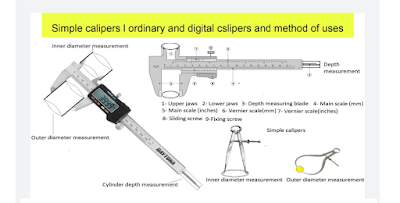
Simple calipers and vernier calipers, method of uses and calculations

Calipers: The calipers are very useful instruments. These instruments are used to measure the diameter of the cylinder, bore, bearing size, ...