Showing posts with label abrasion resistance. Show all posts

Wednesday, September 15, 2021

फैब्रिक प्रॉपर्टीज भाग - २

Please click on the below link to read this article in English:


फैब्रिक प्रॉपर्टीज भाग - २ 


1 - कपड़े की टेंसाइल स्ट्रेंथ: 

जब कपड़े पर खिंचाव बल (भार) लगाया जाता है, तो वह लम्बा होने लगता है। खिंचाव बल (भार) धीरे-धीरे बढ़ता है, एलॉन्गशन भी बढ़ता है, जब खिंचाव बल की मात्रा एक निश्चित बिंदु पर पहुँचती है, तो कपड़ा टूटने लगता है। अब हम कह सकते हैं कि फैब्रिक की टेन्साइल स्ट्रेंथ स्ट्रेचिंग फोर्स (लोड) की वह  मात्रा है जिस पर स्ट्रेचिंग की स्थिति में आने पर फैब्रिक टूट जाता  है। इसे न्यूटन प्रति वर्ग सेंटीमीटर या पाउंड प्रति वर्ग इंच में मापा जाता है। यह धागे की ताकत, सामग्री के प्रकार या कपड़े के प्रति वर्ग इंच  धागे की गिनती आदि पर निर्भर करता है। कपड़े की टेंसाइल स्ट्रेंथ  ताना और बाने की दिशा में अलग-अलग निर्धारित की जाती है।

सिंथेटिक कपड़ों में प्राकृतिक कपड़ों की तुलना में बेहतर टेंसाइल स्ट्रेंथ  होती है।

फाइन  और लंबे स्टेपल रेशों से बने कपड़े में मोटे और छोटे रेशों की तुलना में अधिक टेंसाइल स्ट्रेंथ होती है।

यदि दो कपड़ों में वार्प और वेफ्त काउंट  समान है, तो प्रति वर्ग इंच अधिक धागे वाले कपड़े उच्च टेंसाइल स्ट्रेंथ  देंगे।


2 - कपड़े की टेयरिंग स्ट्रेंथ:

 कपड़े की टेयरिंग स्ट्रेंथ  वह बल है जो कपड़े में फाड़ने की शुरुआत करता है। "नमूने के केंद्र में एक विभाजन से कपड़े को फाड़ने या कपड़े को फाड़ना जारी रखने के लिए आवश्यक टेयरिंग बल" को कपड़े की टेयरिंग स्ट्रेंथ कहा जाता है। इसे टेयरिंग रेजिस्टेंस  भी कहा जाता है। इसे पाउंड, ग्राम, किलोग्राम या न्यूटन आदि में मापा जाता है। यह ताना और बाने की दिशा के लिए अलग-अलग निर्धारित किया जाता है।  कपड़े की   टेयरिंग स्ट्रेंथ  को प्रभावित करने वाले कारक निम्नलिखित हो सकते  हैं:

 कपड़े में प्रयुक्त सामग्री का प्रकार: कपड़े में प्रयुक्त सामग्री कपड़े की टेयरिंग स्ट्रेंथ को बहुत प्रभावित करती है। सिंथेटिक यार्न से बने कपड़े में प्राकृतिक कपड़े की तुलना में बेहतर टेयरिंग स्ट्रेंथ  होती है। निरंतर फिलामेंट यार्न से बने कपड़े में स्पन यार्न की तुलना में अधिक टेयरिंग स्ट्रेंथ होती है। फाइन  और लंबे स्टेपल रेशों से बने कपड़े में मोटे और छोटे स्टेपल रेशों की तुलना में बेहतर टेयरिंग स्ट्रेंथ  होती है।

यार्न की काउंट  और कपड़े की संरचना: कपड़े में इस्तेमाल होने वाले यार्न की काउंट , प्रति इंच एंड्स और प्रति इंच पिक्स को टेयरिंग स्ट्रेंथ  के साथ बहुत अधिक निर्भर होती  है। इसे कुछ उदाहरणों से समझा जा सकता है:

ए और बी दो फैब्रिक हैं, दोनों फैब्रिक का जीएसएम समान है। फैब्रिक ए मोटे काउंट यार्न से बना है और फैब्रिक बी फाइन काउंट यार्न से बना है। इस मामले में, कपड़े ए की फाड़ ताकत बी से अधिक होगी।

यदि कपड़े A और B एक ही काउंट के बने हैं और कपड़े A में B की तुलना में प्रति वर्ग इंच अधिक धागे हैं। इस स्थिति में, कपड़ा A, B की तुलना में बेहतर टेयरिंग स्ट्रेंथ देगा।

यार्न ट्विस्ट: कपड़े का यार्न ट्विस्ट कुछ हद तक टेयरिंग स्ट्रेंथ  को प्रभावित करता है। कपड़े में उच्च ट्विस्ट यार्न के परिणामस्वरूप बेहतर टेयरिंग स्ट्रेंथ के रूप में परिणित  होता है।

3 - बर्शटिंग स्ट्रेंथ: 

जब कपड़े पर दबाव पड़ता है, तो कपड़े एक ही समय में सभी संभावित दिशाओं में फैलने लगता है। जब लागू दबाव धीरे-धीरे बढ़ता है, तो दबाव सीमा के बाद कपड़े फटने लगते हैं। इस दबाव सीमा को बर्शटिंग  स्ट्रेंथ  कहा जाता है। इस प्रकार हम कह सकते हैं कि "कपड़े की सतह को फटने के लिए आवश्यक दबाव को कपड़े की बर्शटिंग  स्ट्रेंथ  कहा जाता है"। इसे पाउंड (एलबीएस) प्रति इंच स्क्वायर  या किलोग्राम प्रति सेंटीमीटर स्क्वायर में मापा जाता है। पैराशूट कपड़े के लिए कपड़े की फटने की ताकत बहुत महत्वपूर्ण गुण होता  है। कपड़े में प्रयुक्त धागे और सामग्री का प्रकार, कपड़े में प्रयुक्त यार्न काउंट  और संरचना।

 सामग्री का प्रकार कपड़े की बर्शटिंग  स्ट्रेंथ  को बहुत प्रभावित करता है। सिंथेटिक यार्न से बुने गए कपड़े में प्राकृतिक यार्न की तुलना में अधिक बर्शटिंग  स्ट्रेंथ  होती है।


4 - कपड़े की क्रीज प्रतिरोध या क्रीज रिकवरी: 

"विभिन्न उपयोगों या प्रक्रिया के दौरान कपड़े की सतह पर झुर्रियों या क्रीज के उत्पन्न होने  से   रोकने के लिए कपड़े की क्षमता को कपड़े का क्रीज प्रतिरोध कहा जाता है"। कपड़े के क्रीज प्रतिरोध को क्रीज रिकवरी एंगल के रूप में व्यक्त किया जाता है।

यह काफी हद तक कपड़े में इस्तेमाल होने वाली सामग्री के प्रकार पर निर्भर करता है। सिंथेटिक सामग्री से बना कपड़ा कपड़े का बेहतर क्रीज प्रतिरोध देता है।


5 - कपड़े की हवा पारगम्यता( एयर परमाबिलिटी): 

"कपड़े के प्रति इकाई क्षेत्र के माध्यम से प्रति सेकंड पारित हवा की मात्रा को कपड़े की वायु पारगम्यता (एयर परमाबिलिटी) कहा जाता है"। इसे घन सेंटीमीटर प्रति सेकंड प्रति वर्ग सेंटीमीटर (सेमी3/सेकंड/सेमी2) में मापा जाता है।

यह धागे की काउंट , कपड़े की संरचना और कपड़े की प्रति वर्ग इकाई वजन पर निर्भर करता है। यदि दो कपड़ों की ताना और बाने की संख्या समान है, तो प्रति वर्ग इंच अधिक धागे वाले कपड़े निचले धागे की गिनती वाले कपड़े की तुलना में खराब एयर परमाबिलिटी देते हैं।

यदि दो कपड़ों के प्रति वर्ग इंच में धागे की गिनती समान है, तो मोटे धागे से बना कपड़ा खराब एयर परमाबिलिटी देता है।

6 - कपड़े का घर्षण प्रतिरोध( एब्रेजन रेसिस्टाबे): 

घर्षण की  वह डिग्री जिस तक एक कपड़ा सतह पर पहनने, रगड़ने, छीलने और अन्य घर्षण बलों का सामना करने में सक्षम होता है। घर्षण प्रतिरोध कपड़े की सतह को पहनने का विरोध करने की अनुमति देता है। परीक्षण किए गए कपड़े के तीन प्रकार के घर्षण प्रतिरोध होते  हैं।

फ्लैट घर्षण प्रतिरोध: 

कपड़े के समतल क्षेत्र को रगड़ा या घिसा जाता है

फ्लैट घर्षण प्रतिरोध के लिए कपड़े का परीक्षण किया जाता है।

एज घर्षण प्रतिरोध: 

कपड़े के किनारों को रगड़ा या घिस दिया जाता है, जबकि कपड़े के किनारे घर्षण प्रतिरोध के लिए कपड़े का परीक्षण किया जाता है।

फ्लेक्स घर्षण प्रतिरोध: 

इस स्थिति में, कपड़े को फ्लेक्स करने या झुकने से कपड़े की रगड़ होती है।

घर्षण प्रतिरोधी कपड़े उन स्थितियों के लिए उपयोगी होते हैं जिनमें यांत्रिक पहनावा और क्षति हो सकती है। घर्षण प्रतिरोध को प्रभावित करने वाले कारक नीचे दिए गए हैं:

प्रयुक्त सामग्री का प्रकार: सामग्री का प्रकार एक कपड़े के घर्षण प्रतिरोध को प्रमुख रूप से प्रभावित करता है। सिंथेटिक फाइबर से बने कपड़े कपड़े में बहुत अच्छा घर्षण प्रतिरोध दिखाते हैं। फाइन और लंबे स्टेपल रेशों से बने कपड़ों में मोटे और छोटे स्टेपल रेशों की तुलना में बेहतर घर्षण प्रतिरोध होता है। रेयान से बना कपड़ा खराब घर्षण प्रतिरोध दिखाता है।

यार्न के ट्विस्ट  की डिग्री: यार्न का ट्विस्ट  कुछ हद तक घर्षण प्रतिरोध को प्रभावित करता है। उच्च ट्विस्ट  वाले यार्न के परिणामस्वरूप कपड़े में बेहतर घर्षण प्रतिरोध होता है। यदि कपड़ा कम ट्विस्ट वाले यार्न  से बना है, तो इसका परिणाम कपड़े में खराब घर्षण प्रतिरोध के रूप में  परिणित होता है ।


यार्न काउंट और संरचना : कपड़े का निर्माण भी कपड़े के घर्षण प्रतिरोध में महत्वपूर्ण भूमिका निभाता है। प्रति वर्ग इंच अधिक धागे वाले कपड़े बेहतर घर्षण प्रतिरोध के रूप में परिणाम देते हैं। यदि कपड़े का GSM बढ़ता है, तो यह कपड़े के घर्षण प्रतिरोध को बेहतर बनाने में भी मदद करता है।

You may also be interested in the below articles:

fabric properties part - 1 in hindi

fabric properties part - 3 in hindi

fabric properties part - 4 in hindi

fabric properties part - 1 in english

fabric properties part - 2 in english

fabric properties part -3 in english

fabric properties part - 4 in english

Thursday, July 22, 2021

यार्न काउंट (यार्न फाइननेस ) और यार्न काउंट के विभिन्न सिस्टम ( Yarn count or yarn fineness and different yarn count systems )

Please click on the below link to read this full article in English:

YARN COUNT, YARN FINENESS, YARN NUMBER, YARN SIZE, YARN LINEAR DENSITY, YARN TICKET NUMBER, YARN DIAMETER, YARN COUNT MEASUREMENT , AND VARIOUS YARN COUNT SYSTE MS

 यार्न काउंट (यार्न फाइननेस ) और यार्न काउंट के विभिन्न सिस्टम:

सूत की फाइननेस  को सूत की काउंट के रूप में जाना जाता है। यार्न की फाइननेस को यार्न के रैखिक घनत्व के रूप में भी जाना जाता है। किसी सूत की भार प्रति  इकाई लंबाई या लंबाई प्रति इकाई भार  को सूत की काउंट कहते हैं। एक सूत की काउंट संख्यात्मक संख्याओं के रूप में व्यक्त की जाती है। दुनिया के विभिन्न क्षेत्रों में यार्न की काउंट  (यार्न का रैखिक घनत्व) व्यक्त करने के लिए विभिन्न प्रणालियों का उपयोग किया जाता है। सभी प्रणालियाँ नीचे दिए गए सिद्धांतों का पालन करती हैं:

प्रत्यक्ष प्रणाली(डायरेक्ट सिस्टम)।

अप्रत्यक्ष प्रणाली (इंदिरेक्ट सिस्टम)।

प्रत्यक्ष प्रणाली( डायरेक्ट सिस्टम):

सूत की काउंट  की इस प्रणाली में, सूत की लंबाई स्थिर रहती है, और सूत की फाइननेस  के अनुसार सूत का वजन भिन्न होता है। जैसे-जैसे सूत की काउंट   बढ़ती है, सूत मोटा होता जाता है। आजकल  निम्नलिखित गणना प्रणालियों का उपयोग किया जा रहा है:

 डेनियर:

मानव निर्मित या रिजेनेरेटेड फाइबर्स   के निरंतर फिलामेंट यार्न की काउंट को व्यक्त करने के लिए इस प्रणाली का सबसे अधिक उपयोग किया जाता है। ९००० मीटर सूत के, ग्राम में सूत के भार को सूत का डेनियर कहा जाता है। यार्न का डेनियर बढ़ने पर यार्न मोटा होता जाता है। किसी भी सूत के डेनियर का पता लगाना बहुत आसान होता है।

यदि आपके पास एक बड़ा यार्न पैकेज है, तो आप रैप रील की मदद से 9000 मीटर यार्न की लंबाई माप सकते हैं। अब तौल पैमाने की सहायता से सूत का भार ज्ञात कीजिए। इस प्रकार सूत की इस लंबाई का ग्राम में भार सूत का डेनियर होगा।

यदि आपके पास बहुत कम लंबाई का धागा है, तो इस बारे में चिंता करने की कोई आवश्यकता नहीं होती  है। आप यार्न की उपलब्ध लंबाई ले सकते हैं। इसके बाद, सूत का भार ग्राम में ज्ञात कीजिए। इन मानों को नीचे दिए गए सूत्र में रखें

मान लीजिए कि सूत का वजन W ग्राम है और सूत की लंबाई L मीटर है। यार्न का डेनियर निम्न सूत्र द्वारा प्राप्त किया जाता है:

टेक्स:

यह आमतौर पर निरंतर फिलामेंट यार्न की फाइंनेस  को व्यक्त करने के लिए उपयोग किया जाता है। १००० मीटर सूत के ग्राम में भार को सूत का टेक्स कहा जाता है। जब सूत का टेक्स बढ़ता है तो सूत मोटा होता  जाता है। यार्न के टैक्स की गणना करना बहुत आसान होता  है। सबसे पहले सूत के पैकेज से १००० मीटर की लंबाई नापी जाती है , फिर तोलने के पैमाने की सहायता से उसका वजन ग्राम्स में  ज्ञात किया जाता है । इस १००० मीटर   लम्बाई के सूत का ग्राम्स में वजन यार्न का  टेक्स कहलाता है।

यदि आपके पास सूत की लंबाई कमहोती है  है, तो आपको सूत की लंबाई मापनी होती और उसका वजन ग्राम में ज्ञात करना होता है । अब दोनों मानों को नीचे दिए गए फॉर्मूले में रखा जाता है।

टेक्स प्रणाली के कुछ अन्य संस्करण नीचे दिए गए हैं:

डेसी टेक्स:

10000 मीटर लम्बे  सूत के ग्राम में भार को सूत का डेसी-टेक्स कहा जाता है।

मिली-टेक्स:

1000 मीटर सूत के मिलीग्राम में भार को सूत का मिलीटेक्स कहा जाता है।

किलोटेक्स:

1000 मीटर सूत के किलो ग्राम में भार को सूत का किलोटेक्स कहा जाता है।

एल बी एस काउंट  (जूट  काउंट):

१४४०० गज लम्बे यार्न के पाउंड (एलबीएस) में वजन को यार्न की जूट काउंट  (एलबीएस ) कहा जाता है। इसका उपयोग जूट के धागे की फ़ाइननेस  (काउंट ) को व्यक्त करने के लिए किया जाता है। यार्न का मोटापन बढ़ जाता है जब यार्न की एलबीएस काउंट बढ़ती है। चूंकि एक रैप रील की मदद से १४४०० गज की लंबाई को मापना संभव नहीं होता  है, इसलिए यार्न की किसी भी संभावित लंबाई को यार्न पैकेज से लिया जाता है। इसका वजन ग्राम में तौल पैमाने की मदद से प्राप्त किया जाता है। एलबीएस काउंट की गणना  निम्नानुसार की  जाती है:

यदि सूत की लंबाई L मीटर है और सूत का भार W ग्राम है

अप्रत्यक्ष प्रणाली( इनडाइरेक्ट काउंट)

यार्न काउंट की इस प्रणाली में, यार्न का वजन स्थिर रहता है और यार्न की लंबाई यार्न की फ़ाइननेस  के अनुसार बदलती रहती है। जैसे-जैसे सूत की काउंट बढ़ती जाती है, सूत महीन होता जाता है। विभिन्न कपड़ा उद्योगों में आज अप्रत्यक्ष प्रणालियों की निम्नलिखित प्रणालियों का उपयोग किया जा रहा है:

न्यू इंग्लिश काउंट  (Ne):

एक पाउंड  वजन यार्न में ८४०  गज के हैंक्स (स्किन) की संख्या को न्यू इंग्लिश काउंट (Ne) कहा जाता है। चूँकि इस पद्धति का उपयोग आमतौर पर कपास की फाइननेस  को व्यक्त करने के लिए किया जाता है, इसलिए लोग इसे कॉटन काउंट भी कहते हैं। जब सूत कीकाउंट  बढ़ती है तो सूत महीन हो जाता है। इस पद्धति में यार्न  काउंट नीचे दिए गयी गणना विधि अनुसार  की   की जाती है:

मान लीजिए सूत की लंबाई Lमीटर है, सूत का वजन W ग्राम है।

न्यू मीट्रिक काउंट  (Nm):

एक ग्राम वजन के सूत की  मीटर में  लंबाई या एक किलोग्राम वजन के सूत की किलोमीटर में लंबाई को न्यू  मीट्रिक काउंट (Nm) कहा जाता है। Nm बढ़ने पर धागा महीन हो जाता है। यह आमतौर पर कपास की गिनती व्यक्त करने के लिए और कभी-कभी लिनन  यार्न के लिए उपयोग किया जाता है। नीचे दी गई विधि का पालन करके यार्न के  Nm  की गणना की जाती  है:

किसी भी धागे का Nm पता लगाना बहुत आसान होता  है। सबसे पहले सूत की एक उपयुक्त लंबाई ली जाती है , उस यार्न की  लंबाई मीटर में मापी जाती है और उसका वजन ग्राम में ज्ञात किया जाता है। अब दोनों मानों को नीचे दिए गए फॉर्मूले में रखा जाता है।

लिनन काउंट  (ली):

एक पौंड वजन यार्न में 300 गज की हैंकों की संख्या को लिनेन काउंट (ली) कहा जाता है। यह विशेष रूप से लिनन यार्न की फाइननेस  को व्यक्त करने के लिए प्रयोग किया जाता है। इस प्रणाली में गिनती बढ़ने पर सूत महीन हो जाता है।

यदि सूत का वजन w ग्राम है, और सूत की लंबाई L मीटर है, तो सूत की लेया काउंट की  गणना निम्नानुसार की जाती है।

वर्स्टेड काउंट:

एक पौंड सूत में ५६० गज की हैंकों की संख्या को उस यार्न की वर्स्टेड काउंट  कहा जाता है। इसका उपयोग वर्स्टेड  धागे की फाइंनेस को  व्यक्त करने के लिए किया जाता है। इस प्रणाली में यार्न की काउंट  बढ़ने पर यार्न की फाइंनेस  बढ़ जाती है। यार्न की वर्स्टेड काउंट  की गणना निम्नानुसार की जाती है:

मान लीजिए कि सूत का वजन W ग्राम है, सूत की लंबाई L मीटर है

वूलन काउंट  (YSW):

एक पौंड सूत में 256 गज की हैंकों की संख्या को वूलन काउंट (YSW) कहा जाता है। जैसा कि सिस्टम का नाम इंगित करता है, इसका उपयोग ऊनी धागे की काउंट को व्यक्त करने के लिए किया जाता है। इस प्रणाली में यार्न की काउंट बढ़ने पर यार्न की फाइंनेस बढ़ जाती है। इस प्रणाली में यार्न की काउंट की गणना  निम्नानुसार की जाती है:

मान लीजिए कि सूत की लंबाई L मीटर है और सूत का वजन W ग्राम है।

वूलन काउंट (ड्यूस्बरी):

एक औंस वजन के  सूत की गज में लम्बाई  को  वूलन काउंट  (ड्यूस्बरी) कहा जाता है। इसका उपयोग ऊनी धागों की काउंट  को व्यक्त करने के लिए किया जाता है। इस प्रणाली में यार्न की काउंट  बढ़ने पर यार्न की फाइननेस  बढ़ जाती है। यह निम्न लिखित  अनुसार प्राप्त किया  जाता है:

मान लीजिए कि सूत की लंबाई L मीटर है और सूत का वजन W ग्राम है।

Sunday, February 16, 2020

Linen count, lea count an indirect yarn count system


Linen count (lea) an indirect yarn count system:  


The number of hanks of 300 yards in a pound is called linen count (lea). It is specially used to express the fineness of flax (linen) yarn. Yarn becomes finer when the count increases in this system.

Friday, October 11, 2019

JUTE COUNT, LBS. COUNT.

Lbs. count (Jute count): weight in pounds ( lbs.) of 14400 yards of yarn is called jute count (lbs.) of a yarn. It is used to express the fineness ( count) of jute yarn. The coarseness of yarn increases when lbs. increases. Since it is not possible to measure a yarn length of 14400 yards with the help of wrap reel, then any possible length of the yarn is taken from yarn package. Its weight is obtained with the help of weighing scale in grams. Lbs. the count is found as follow: 
If the length of yarn is L meters and weight of yarn is W grams

Related articles:

Yarn twist testing


Tuesday, November 13, 2018

FABRIC PROPERTIES PART - II

Please click on the below link to read this article in Hindi:


7- Tensile strength of fabric: 

When the stretching force (load) is applied to the fabric, it begins to elongate. The stretching force ( load) increases gradually, and elongation also increases, when the amount of stretching force reaches a certain point, the fabric begins to break. Now we can say that the tensile strength of the fabric is the amount of stretching force (load) at which the fabric begins to break when it comes under stretching conditions. It is measured in Newtons per square centimetre or pounds per square inch. It depends upon the yarn strength, material type or thread count per square of the fabric etc. the tensile strength of the fabric is determined separately in the warp and weft direction.
Synthetic fabrics have better tensile strength than natural fabrics.
The fabric made of fine and long-staple fibres poses higher tensile strength than coarse and short fibres.
If the warp and the weft count of two fabrics are the same, then the fabric having more threads per square inch will give higher tensile strength.

8 - Tearing strength of fabric: 

The term tearing strength of the fabric is the force which initiates the tearing in the fabric. “the tearing force required to initiate the tearing of the fabric from a split in the centre of the specimen or continue tearing of the fabric” is called tearing strength of the fabric. It is also termed tearing resistance. It is measured in pounds, grams, kilograms or Newton etc. it is determined for warp and weft direction separately. The factors influencing the tearing strength are:
 Type of material used in the fabric: The material used in the fabric greatly affects the tearing strength of the fabric. The fabric made of synthetic yarn has better-tearing strength than natural fabric. The fabric made of continuous filament yarn has higher tearing strength than spun yarn. The fabric made of fine and long-staple fibres has better-tearing strength than coarse and short-staple fibres.
Yarn count and construction of the fabric:  the yarn count used in the fabric, ends per inch and picks per inch have great concern with tearing strength. It can be understood by some examples:
There are two fabrics say A and B, and the GSM of both fabrics is identical. Fabric A is made of coarse count yarn and fabric B is made of fine count yarn. In this case, the tearing strength of fabric A will be more than B.
If fabric A and B are made of the same count and fabric A has more threads per square inch than B. In this situation, fabric A will give better tearing strength than B.
Yarn twist: The yarn twist of the fabric influences the tearing strength up to some extent. High twist yarn in the fabric results in the form of improved tearing strength.
9 - Bursting strength:  when the fabric is subjected to pressure, the fabric begins to expand in all the possible directions at the same time. When the applied pressure increases gradually, the fabric begins to burst after a pressure limit. This pressure limit is called bursting strength. Thus we can say that “the pressure required to burst the fabric surface is termed as bursting strength of fabric”. It is measured in pounds (lbs.) per inch2 or kilograms per centimeter2. The bursting strength of the fabric is a very important property for parachute fabric. Type of yarn and material used in the fabric, the count and construction of the fabric.
 Material type influences the bursting strength of fabric greatly. The fabric woven with synthetic yarn has greater bursting strength than natural yarn.

10 - Crease resistance or crease recovery of fabric:  “The ability of the fabric to prevent the formation of wrinkles or creases on the surface of the fabric during various uses or process is called crease resistance of the fabric”. The crease resistance of the fabric is expressed in the term of crease recovery angle.
It greatly depends upon the type of material to be used in the fabric. The fabric made of synthetic material gives better crease resistance to the fabric.


11 - Air permeability of fabric: “The volume of air passed per second through per unit area of the fabric is called air permeability of fabric”. It is measured in cubic centimetres per second per square centimetre (cm3/second/cm2).
It depends upon the count of yarn, construction of fabric and weight per square unit of the fabric. If the warp and the weft count of two fabrics are identical, then the fabric having more threads per square inch give poor air permeability than the lower threads count fabric.
If the threads count per square inch of two fabrics is the same, then the fabric made of coarse count yarn gives poor air permeability.
12 - Abrasion resistance of fabric:  The degree to which a fabric is able to withstand surface wear, rubbing, chafing, and other friction forces. Abrasion resistance allows a fabric surface to resist wear. There are three types of abrasion resistance of the fabric tested.
Flat abrasion resistance: the flat area of the fabric is rubbed or abraded while the fabric is tested for flat abrasion resistance.
Edge abrasion resistance: the edges of the fabric are rubbed or abraded while the fabric is tested for edge abrasion resistance of the fabric.
Flex abrasion resistance: in this condition, the rubbing of the fabric occurs by flexing or bending the fabric.
The abrasion-resistant fabrics are useful for situations in which mechanical wearing and damage can occur. The factors affecting abrasion resistance are given below:
Type of material used: the type of material majorly affects the abrasion resistance of a fabric. The fabric made of synthetic fibres shows great abrasion resistance in the fabric. The fabrics made of fine and long-staple fibres has better abrasion resistance than coarse and short-staple fibres. The fabric made of rayon shows poor abrasion resistance.
Degree of twist of the yarn: the twist of the yarn influences the abrasion resistance up to some extent. The yarn having high twist results in the form of improved abrasion resistance in the fabric. If the fabric is made of low twist, it will result in the form of poor abrasion resistance in the fabric.

Count and construction of the fabric: the construction of the fabric also plays important role in the abrasion resistance of the fabric. The fabric having more threads count per square inch results in the form of better abrasion resistance. If the GSM of the fabric increases, it also helps to improve the abrasion resistance of the fabric.

Please click on the below video link to watch the full article in Hindi:


Related articles:

FABRIC PROPERTIES PART - III

FABRIC PROPERTIES PART - IV

FABRIC PROPERTIES PART - l                              

FABRIC PROPERTIES PART - II

You may also be interested in the below-sponsored links:

Also read:

Wednesday, October 17, 2018

Yarn count, Yarn fineness, Yarn number, Yarn size, Yarn linear density, Yarn ticket number, Yarn diameter, Yarn count measurement , and various yarn count systems


please click on the below link to read this article in hindi


YARN COUNT (FINENESS OF YARN) AND VARIOUS SYSTEMS
 OF YARN COUNT

The fineness of yarn is known as the count of yarn. The fineness of yarn is also known as the linear density of the yarn. The weight per unit length or length per unit weight of a yarn is called the count of yarn. The count of yarn is expressed in the form of numerical numbers. Different systems are used in the different regions of the world to express the count of the yarn (linear density of yarn). All systems follow the principles given below:

Direct system. 

Indirect system. 

Direct system:

In this system of yarn count, the length of the yarn remains constant, and the weight of the yarn varies according to the fineness of the yarn. As the number (count) of yarn increases, the yarn becomes coarser. Following count systems are being used today:

 Denier:  

This system is most commonly used to express the count of a continuous filament yarn of man-made or re-generated fires. The weight of yarn in grams of 9000 meters of yarn is called the denier of a yarn. The yarn becomes coarser as the denier of a yarn increases. It is very simple to find out the denier of any yarn.

If you have a bigger yarn package, you can measure 9000 meters of yarn length with the help of a wrap reel. Now find the weight of the yarn with the help of a weighing scale. Thus the weight of this length of yarn in grams will be the denier of the yarn.
If you are having a very short length of yarn, there is no need to worry about this. You can take an available length of yarn. Next, find the weight of the yarn in grams. Put these values in the below-given formula

Suppose that the weight of the yarn is W grams and the length of the yarn is L meters. The denier of yarn is obtained by the following formula:


Tex:  

It is generally used to express the fineness of continuous filament yarn. The weight in grams of 1000 meters of yarn is called the tex of a yarn. When the tex of yarn increases, the yarn becomes coarser. It is very easy to calculate the Tex of a yarn. First of all, measure a length of 1000 meters from the yarn package, then find out its weight with the help of a weighing scale. The weight of this length in grams will be the Tex of a yarn.

If you have a short length of yarn, you need to measure the yarn length and find its weight in grams. Now put both values in the below-given formula.


Some other versions of the Tex system are given below:

DECI TEX: 

Weight in grams of 10000 Metres of yarn is called deci-tex of yarn.

MILLI-TEX: 

Weight in milligrams of 1000 meters of yarn is called millitex of yarn.

KILOTEX: 
Weight in a kilogram of 1000 meters of yarn is called kilotex of a yarn.


Lbs. count (Jute count):


The weight in pounds ( lbs.) of 14400 yards of yarn is called the jute count (lbs.) of a yarn. It is used to express the fineness ( count) of jute yarn. The coarseness of yarn increases when lbs. increases. Since it is not possible to measure a yarn length of 14400 yards with the help of a wrap reel, then any possible length of the yarn is taken from the yarn package. Its weight is obtained with the help of a weighing scale in grams. Lbs. The count is found as follows: 
If the length of yarn is L meters and the weight of yarn is W grams


Indirect system:

In this system of yarn cunt, the weight of yarn remains constant and the length of the yarn varies according to the fineness of the yarn. As the number (count) of the yarn increases the yarn becomes finer. Following systems of indirect systems are being used today in different textile industries:

New English Count (Ne): 

The number of hanks (skeins) of 840 yards in a pound is called the new English count (Ne). Since this system is generally used to express the fineness of cotton count, therefore people call it cotton count also. When the count of yarn increases, the yarn becomes finer. The new English count is calculated as follows:

Suppose the length of yarn is L meters, and the weight of yarn is W grams.


New metric count (Nm):
 

The length of yarn in meters of one gram of yarn or the length of yarn in kilometers of one kilogram of yarn is called the new metric count(Nm). The yarn becomes finer when Nm increases. It is generally used to express the count of cotton and sometimes for flax yarn. Nm of yarn is found by following the below method:

It is very simple to find out the Nm of any yarn. First of all, take a suitable length of yarn, measure its length in meters, and find its weight in grams. Now put both the values in the below-given formula.


Linen count (lea):  

The number of hanks of 300 yards in a pound is called linen count (lea). It is specially used to express the fineness of flax (linen) yarn. The yarn becomes finer when the count increases in this system.

If the weight of yarn is w grams, and the length of yarn is L meters then the lea count of yarn is obtained as follows.

Worsted count: 

The number of hanks of 560 yards in one pound of yarn is called the worsted count. It is used to express the fineness of the worsted yarn. The fineness of yarn increases when the yarn count increases in this system. The worsted count of yarn is calculated as follows:
Suppose that the weight of yarn is W grams, and the length of yarn is L meters


Woollen count (YSW): 


The number of hanks of 256 yards in one pound of yarn is called woolen count (YSW). As the system name indicates, it is used to express the count of woolen yarn. The fineness of yarn increases when the yarn count increases in this system. The yarn count  in this system is calculated as follows:
Suppose that the length of yarn is L meters, and the weight of yarn is W grams.


Woollen count (Dewsbury): 


The number of yards in one ounce(oz) of yarn is called woolen count (Dewsbury). It is used to express the count of woolen yarn. The fineness of yarn increases when the yarn count increases in this system. It is found as follows:

Suppose that the length of yarn is L meters and the weight of yarn is W grams.


PLEASE WATCH THE BELOW VIDEO OF YARN COUNT OR YARN FINENESS IN HINDI


Related articles:


यार्न काउंट (यार्न फाइननेस ) और यार्न काउंट के विभिन्न सिस्टम

New English count (Ne), an indirect yarn count system

Ring frame process and it's objectives

Featured Post

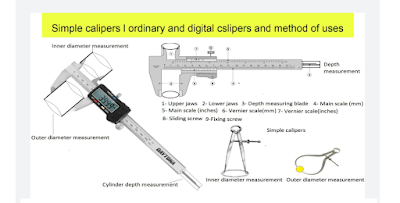
Simple calipers and vernier calipers, method of uses and calculations

Calipers: The calipers are very useful instruments. These instruments are used to measure the diameter of the cylinder, bore, bearing size, ...