Showing posts with label yarn count. Show all posts

Thursday, October 21, 2021

यार्न काउंट, टेन्साइल स्ट्रेंथ (बंडल स्ट्रेंथ और यार्न सी.एस.पी. परीक्षण):

Please click on the below link to read this full article in English:

YARN COUNT TESTING AND YARN TENSILE STRENGTH TESTING, CSP OF YARN

 यार्न काउंट, टेन्साइल स्ट्रेंथ (बंडल स्ट्रेंथ और यार्न सी.एस.पी. परीक्षण):


यार्न काउंट का  परीक्षण:


यार्न काउंट का परीक्षण नीचे दिए गए  चरणों में पूरा होता है:


सूत की लक्षी या हेंक  तैयार करना:


यार्न पैकेज को रैप रील के  कोन होल्डर पर रखा जाता है। अब सूत का सिरा एक सूत गाइड से होकर गुजरता है। यह सिरा रैप रील में लगे एक स्क्रू से बाँधा  जाता है। कृपया नीचे चित्र में देखें:
इस रैप रील में एक काउंटर मीटर लगाया जाता  है। यह काउंटर मीटर लक्षी में यार्न के रैप्स की संख्या को गिनने में मदद करता है। आज की रैप रील फुल लेंथ स्टॉप मोशन से लैस होती है। जब यार्न के रैप्स की संख्या, काउंटर मीटर में पहले से ही फीड  रैप्स  की संख्या तक पहुंच जाती है, तो स्टॉप मोशन तुरंत सक्रिय हो जाता है और रैप रील को रोक देता है।

रैप रील का व्यास 1.5 गज के बराबर होता है। गणना परीक्षण के लिए 120 गज यार्न  की लंबाई की लक्षी की आवश्यकता होती है। इस प्रकार काउंटर मीटर में रैप्स की संख्या तय हो जाती है। यानी की ८० रेप्स .
रैप रील एक मोटर द्वारा संचालित होती है। जब लक्षी में  रेप्स की संख्या  फीड नंबर तक पहुंच जाती है, तो स्टॉप मोशन रेप रील को  तुरंत रोक देता है। अब  प्रारंभिक छोर और अंतिम छोर मजबूती से एक  दूसरे के साथ में गांठ द्वारा जोड़ दिए जाते  हैं और लक्षी को रेप रील से सावधानी पूर्वक बाहर निकल लेते हैं।


ली या लक्षी का वजन:


अब सूत की लक्षी  को इलेक्ट्रॉनिक तौल पैमाने में तौला जाता है। तौलने से पहले ये सुनिश्चित किया जाता है  कि तौल पैमाने में कोई जीरो  त्रुटि तो नहीं है। यदि कोई त्रुटि है, तो कृपया ली को तोलने से पहले तोलने का पैमाना रीसेट करें। कृपया नीचे चित्र देखें:


यार्न काउंट की गणना:

 यार्न काउंट                             = 2/ 14.76 एस


यार्न की तन्यता  ताकत ( टेंसाइल स्ट्रेंथ):

यह यार्न का सबसे महत्वपूर्ण पैरामीटर होता  है। यार्न की तन्यता ताकत यार्न को तोड़ने के लिए आवश्यक बल है। यार्न की तन्यता ताकत यार्न की एक बहुत ही महत्वपूर्ण गुण होती  है। यह सीधे बुनाई और दूसरी प्रक्रिया के दौरान यार्न के प्रदर्शन को प्रभावित करता है। चूंकि बुनाई की विभिन्न प्रक्रियाओं के दौरान यार्न मध्यम तनाव से गुजरता  है और यार्न पर झटका भी लगता   है,  इस तनाव और झटके को बर्दास्त करने के लिए यार्न में पर्याप्त ताकत होनी चाहिए। यार्न की ताकत का परीक्षण करने के लिए दो तरीकों का इस्तेमाल किया जाता है:


· बंडल ताकत


· सिंगल एंड स्ट्रेंथ


बंडल ताकत:

इस विधि का प्रयोग केवल एक ही काउंट के दो सूतो की टेंसाइल स्ट्रेंथ की तुलना करने  में ही किया जाता है। बंडल की ताकत यार्न की ताकत का सही मूल्य नहीं देती है लेकिन यह एक ही काउंट  के दो यार्न की तुलना करने में मदद करती है। अगर हमें दो समान धागों के बीच सबसे अच्छा एक सूत चुनना है, तो बंडल की ताकत बहुत उपयोगी है।
120 गज (1.5 गज के 80 रैप्स वाले) का एक लक्षी  या ली तैयार किया जाता है। इसे वर्टिकल ली स्ट्रेंथ टेस्टर की मदद से तोड़ा जाता है और ब्रेकिंग फोर्स (टेन्साइल स्ट्रेंथ) को पाउंड, किलोग्राम या न्यूटन में दर्ज किया जाता है। अब यार्न के काउंट स्ट्रेंथ उत्पाद की गणना निम्नानुसार की जाती है:


तन्य शक्ति परीक्षक पर ली  को लोड करना:

यार्न की तैयार ली को तन्य शक्ति परीक्षक पर लोड किया जाता है जैसा कि नीचे दिए गए चित्र में दिखाया गया है:


आपको हमेशा लोड सेल रीडिंग की जांच करनी चाहिए। लोड सेल की प्रारंभिक रीडिंग शून्य होनी चाहिए। यदि आपको प्रारंभिक रीडिंग  में कोई त्रुटि दिखाई देती है, तो कृपया लोड सेल के रीडिंग  को रीसेट करें।

ली या लक्षी  का टूटना:


अब मशीन को चालू करने के लिए हरे रंग का पुश बटन दबाया जाता है। जैसे-जैसे लक्षी के ऊपर भार धीरे-धीरे बढ़ता है, भार टूटने के बिंदु तक पहुँचने पर ली टूट जाती है। अब लोड सेल की रीडिंग रिकॉर्ड की जाती है।


सी.एस.पी. कैलकुलेशन:


तन्य शक्ति                = १५९.८ किग्रा
                              = १५९.८ X २.२०४ एलबीएस
                              = 352.19 एलबीएस
सी.एस.पी.                = यार्न काउंट(Ne) x तन्यता ताकत (एलबीएस)
                               = 7.38 एक्स 352.19
सी.एस.पी.                 = २५९९.१६

 
अधिक सीएसपी वाला सूत, समान काउंट  में सूत के लिए कम सीएसपी वाले सूत से बेहतर होता है।

Thursday, July 22, 2021

यार्न काउंट (यार्न फाइननेस ) और यार्न काउंट के विभिन्न सिस्टम ( Yarn count or yarn fineness and different yarn count systems )

Please click on the below link to read this full article in English:

YARN COUNT, YARN FINENESS, YARN NUMBER, YARN SIZE, YARN LINEAR DENSITY, YARN TICKET NUMBER, YARN DIAMETER, YARN COUNT MEASUREMENT , AND VARIOUS YARN COUNT SYSTE MS

 यार्न काउंट (यार्न फाइननेस ) और यार्न काउंट के विभिन्न सिस्टम:

सूत की फाइननेस  को सूत की काउंट के रूप में जाना जाता है। यार्न की फाइननेस को यार्न के रैखिक घनत्व के रूप में भी जाना जाता है। किसी सूत की भार प्रति  इकाई लंबाई या लंबाई प्रति इकाई भार  को सूत की काउंट कहते हैं। एक सूत की काउंट संख्यात्मक संख्याओं के रूप में व्यक्त की जाती है। दुनिया के विभिन्न क्षेत्रों में यार्न की काउंट  (यार्न का रैखिक घनत्व) व्यक्त करने के लिए विभिन्न प्रणालियों का उपयोग किया जाता है। सभी प्रणालियाँ नीचे दिए गए सिद्धांतों का पालन करती हैं:

प्रत्यक्ष प्रणाली(डायरेक्ट सिस्टम)।

अप्रत्यक्ष प्रणाली (इंदिरेक्ट सिस्टम)।

प्रत्यक्ष प्रणाली( डायरेक्ट सिस्टम):

सूत की काउंट  की इस प्रणाली में, सूत की लंबाई स्थिर रहती है, और सूत की फाइननेस  के अनुसार सूत का वजन भिन्न होता है। जैसे-जैसे सूत की काउंट   बढ़ती है, सूत मोटा होता जाता है। आजकल  निम्नलिखित गणना प्रणालियों का उपयोग किया जा रहा है:

 डेनियर:

मानव निर्मित या रिजेनेरेटेड फाइबर्स   के निरंतर फिलामेंट यार्न की काउंट को व्यक्त करने के लिए इस प्रणाली का सबसे अधिक उपयोग किया जाता है। ९००० मीटर सूत के, ग्राम में सूत के भार को सूत का डेनियर कहा जाता है। यार्न का डेनियर बढ़ने पर यार्न मोटा होता जाता है। किसी भी सूत के डेनियर का पता लगाना बहुत आसान होता है।

यदि आपके पास एक बड़ा यार्न पैकेज है, तो आप रैप रील की मदद से 9000 मीटर यार्न की लंबाई माप सकते हैं। अब तौल पैमाने की सहायता से सूत का भार ज्ञात कीजिए। इस प्रकार सूत की इस लंबाई का ग्राम में भार सूत का डेनियर होगा।

यदि आपके पास बहुत कम लंबाई का धागा है, तो इस बारे में चिंता करने की कोई आवश्यकता नहीं होती  है। आप यार्न की उपलब्ध लंबाई ले सकते हैं। इसके बाद, सूत का भार ग्राम में ज्ञात कीजिए। इन मानों को नीचे दिए गए सूत्र में रखें

मान लीजिए कि सूत का वजन W ग्राम है और सूत की लंबाई L मीटर है। यार्न का डेनियर निम्न सूत्र द्वारा प्राप्त किया जाता है:

टेक्स:

यह आमतौर पर निरंतर फिलामेंट यार्न की फाइंनेस  को व्यक्त करने के लिए उपयोग किया जाता है। १००० मीटर सूत के ग्राम में भार को सूत का टेक्स कहा जाता है। जब सूत का टेक्स बढ़ता है तो सूत मोटा होता  जाता है। यार्न के टैक्स की गणना करना बहुत आसान होता  है। सबसे पहले सूत के पैकेज से १००० मीटर की लंबाई नापी जाती है , फिर तोलने के पैमाने की सहायता से उसका वजन ग्राम्स में  ज्ञात किया जाता है । इस १००० मीटर   लम्बाई के सूत का ग्राम्स में वजन यार्न का  टेक्स कहलाता है।

यदि आपके पास सूत की लंबाई कमहोती है  है, तो आपको सूत की लंबाई मापनी होती और उसका वजन ग्राम में ज्ञात करना होता है । अब दोनों मानों को नीचे दिए गए फॉर्मूले में रखा जाता है।

टेक्स प्रणाली के कुछ अन्य संस्करण नीचे दिए गए हैं:

डेसी टेक्स:

10000 मीटर लम्बे  सूत के ग्राम में भार को सूत का डेसी-टेक्स कहा जाता है।

मिली-टेक्स:

1000 मीटर सूत के मिलीग्राम में भार को सूत का मिलीटेक्स कहा जाता है।

किलोटेक्स:

1000 मीटर सूत के किलो ग्राम में भार को सूत का किलोटेक्स कहा जाता है।

एल बी एस काउंट  (जूट  काउंट):

१४४०० गज लम्बे यार्न के पाउंड (एलबीएस) में वजन को यार्न की जूट काउंट  (एलबीएस ) कहा जाता है। इसका उपयोग जूट के धागे की फ़ाइननेस  (काउंट ) को व्यक्त करने के लिए किया जाता है। यार्न का मोटापन बढ़ जाता है जब यार्न की एलबीएस काउंट बढ़ती है। चूंकि एक रैप रील की मदद से १४४०० गज की लंबाई को मापना संभव नहीं होता  है, इसलिए यार्न की किसी भी संभावित लंबाई को यार्न पैकेज से लिया जाता है। इसका वजन ग्राम में तौल पैमाने की मदद से प्राप्त किया जाता है। एलबीएस काउंट की गणना  निम्नानुसार की  जाती है:

यदि सूत की लंबाई L मीटर है और सूत का भार W ग्राम है

अप्रत्यक्ष प्रणाली( इनडाइरेक्ट काउंट)

यार्न काउंट की इस प्रणाली में, यार्न का वजन स्थिर रहता है और यार्न की लंबाई यार्न की फ़ाइननेस  के अनुसार बदलती रहती है। जैसे-जैसे सूत की काउंट बढ़ती जाती है, सूत महीन होता जाता है। विभिन्न कपड़ा उद्योगों में आज अप्रत्यक्ष प्रणालियों की निम्नलिखित प्रणालियों का उपयोग किया जा रहा है:

न्यू इंग्लिश काउंट  (Ne):

एक पाउंड  वजन यार्न में ८४०  गज के हैंक्स (स्किन) की संख्या को न्यू इंग्लिश काउंट (Ne) कहा जाता है। चूँकि इस पद्धति का उपयोग आमतौर पर कपास की फाइननेस  को व्यक्त करने के लिए किया जाता है, इसलिए लोग इसे कॉटन काउंट भी कहते हैं। जब सूत कीकाउंट  बढ़ती है तो सूत महीन हो जाता है। इस पद्धति में यार्न  काउंट नीचे दिए गयी गणना विधि अनुसार  की   की जाती है:

मान लीजिए सूत की लंबाई Lमीटर है, सूत का वजन W ग्राम है।

न्यू मीट्रिक काउंट  (Nm):

एक ग्राम वजन के सूत की  मीटर में  लंबाई या एक किलोग्राम वजन के सूत की किलोमीटर में लंबाई को न्यू  मीट्रिक काउंट (Nm) कहा जाता है। Nm बढ़ने पर धागा महीन हो जाता है। यह आमतौर पर कपास की गिनती व्यक्त करने के लिए और कभी-कभी लिनन  यार्न के लिए उपयोग किया जाता है। नीचे दी गई विधि का पालन करके यार्न के  Nm  की गणना की जाती  है:

किसी भी धागे का Nm पता लगाना बहुत आसान होता  है। सबसे पहले सूत की एक उपयुक्त लंबाई ली जाती है , उस यार्न की  लंबाई मीटर में मापी जाती है और उसका वजन ग्राम में ज्ञात किया जाता है। अब दोनों मानों को नीचे दिए गए फॉर्मूले में रखा जाता है।

लिनन काउंट  (ली):

एक पौंड वजन यार्न में 300 गज की हैंकों की संख्या को लिनेन काउंट (ली) कहा जाता है। यह विशेष रूप से लिनन यार्न की फाइननेस  को व्यक्त करने के लिए प्रयोग किया जाता है। इस प्रणाली में गिनती बढ़ने पर सूत महीन हो जाता है।

यदि सूत का वजन w ग्राम है, और सूत की लंबाई L मीटर है, तो सूत की लेया काउंट की  गणना निम्नानुसार की जाती है।

वर्स्टेड काउंट:

एक पौंड सूत में ५६० गज की हैंकों की संख्या को उस यार्न की वर्स्टेड काउंट  कहा जाता है। इसका उपयोग वर्स्टेड  धागे की फाइंनेस को  व्यक्त करने के लिए किया जाता है। इस प्रणाली में यार्न की काउंट  बढ़ने पर यार्न की फाइंनेस  बढ़ जाती है। यार्न की वर्स्टेड काउंट  की गणना निम्नानुसार की जाती है:

मान लीजिए कि सूत का वजन W ग्राम है, सूत की लंबाई L मीटर है

वूलन काउंट  (YSW):

एक पौंड सूत में 256 गज की हैंकों की संख्या को वूलन काउंट (YSW) कहा जाता है। जैसा कि सिस्टम का नाम इंगित करता है, इसका उपयोग ऊनी धागे की काउंट को व्यक्त करने के लिए किया जाता है। इस प्रणाली में यार्न की काउंट बढ़ने पर यार्न की फाइंनेस बढ़ जाती है। इस प्रणाली में यार्न की काउंट की गणना  निम्नानुसार की जाती है:

मान लीजिए कि सूत की लंबाई L मीटर है और सूत का वजन W ग्राम है।

वूलन काउंट (ड्यूस्बरी):

एक औंस वजन के  सूत की गज में लम्बाई  को  वूलन काउंट  (ड्यूस्बरी) कहा जाता है। इसका उपयोग ऊनी धागों की काउंट  को व्यक्त करने के लिए किया जाता है। इस प्रणाली में यार्न की काउंट  बढ़ने पर यार्न की फाइननेस  बढ़ जाती है। यह निम्न लिखित  अनुसार प्राप्त किया  जाता है:

मान लीजिए कि सूत की लंबाई L मीटर है और सूत का वजन W ग्राम है।

Wednesday, June 2, 2021

यार्न काउंट टेस्टिंग और यार्न टेन्साइल स्ट्रेंथ टेस्टिंग, सीएसपी ऑफ यार्न( yarn count testing, yarn tensile strength testing , and C.S.P. calculation)


यार्न काउंट, टेन्साइल स्ट्रेंथ (बंडल स्ट्रेंथ और यार्न सी.एस.पी. परीक्षण


यार्न काउंट का  परीक्षण:

यार्न काउंट का परीक्षण नीचे के चरणों में पूरा होता है:

यार्न की लाक्षी  या ली तैयार करना:

यार्न पैकेज को रैप रील में कोन होल्डर पर रखा जाता है। अब सूत का सिरा एक थ्रेड  गाइड से होकर गुजरता है। यह सिरा रैप रील में लगे एक स्क्रू से बंधा होता है। नीचे चित्र देखें:


इस रैप रील में एक काउंटर मीटर लगाया गया है। यह काउंटर मीटर लक्षी में यार्न के रैप्स की संख्या को गिनने में मदद करता है। आज की रैप रील स्टॉप मोशन से लैस होती  है। जब यार्न के रैप्स की संख्या रैप्स की प्री फीड संख्या तक पहुंच जाती है, तो स्टॉप मोशन तुरंत सक्रिय हो जाता है और रैप रील को रोक देता है l रैप रील का व्यास 1.5 गज के बराबर हो जाता है। गणना परीक्षण के लिए 120 गज की लंबाई की लक्षी की आवश्यकता होती है। इस प्रकार काउंटर मीटर में रैप्स की संख्या तय हो जाती है। यानी ८०  रैप्स l रैप रील एक मोटर द्वारा संचालित होती है। जब सेट की लंबाई फीड नंबर तक पहुंच जाती है, तो इसे तुरंत रोक दिया जाता है। अब यार्न  की लक्षी को  मैन्युअल रूप से बाहर  निकाला जाता है। प्रारंभिक छोर और अंतिम छोर मजबूती से एक साथ बाँध दिया जाता हैं।

ली  या सूत की की लक्षी का बजन:

अब सूत की लक्षी  को इलेक्ट्रॉनिक तौल पैमाने में तौला जाता है। सुनिश्चित करें कि तौल पैमाने में कोई त्रुटि नहीं है। यदि कोई त्रुटि है, तो कृपया ली के वजन से पहले तोलने के पैमाने को रीसेट करें। कृपया नीचे चित्र देखें:


यार्न काउंट कैलकुलेशन :

                              = 2/ 14.76s

यार्न की टेंसाइल स्ट्रेंथ:

यह यार्न का सबसे महत्वपूर्ण पैरामीटर है। यार्न की टेंसाइल स्ट्रेंथ  यार्न को तोड़ने के लिए आवश्यक बल को कहते  है। यार्न की टेंसाइल स्ट्रेंथ  यार्न की एक बहुत ही महत्वपूर्ण गुण है। यह सीधे बुनाई और दूसरी प्रक्रिया के दौरान यार्न के प्रदर्शन को प्रभावित करता है। चूंकि बुनाई की विभिन्न प्रक्रियाओं के दौरान यार्न मध्यम तनाव से गुजरता  है और यार्न पर झटका भी  लगता  है, इसलिए  इस तनाव और झटके को बर्दास्त करने   के लिए यार्न में पर्याप्त ताकत होनी चाहिए। यार्न की ताकत का परीक्षण करने के लिए दो तरीकों का इस्तेमाल किया जाता है:

· बंडल स्ट्रेंथ 

· सिंगल एंड स्ट्रेंथ

बंडल स्ट्रेंथ:

इस विधि का प्रयोग केवल दो धागों की  स्ट्रेंथ की तुलना करने  में किया जाता है। बंडल स्ट्रेंथ  यार्न की ताकत का सही मूल्य नहीं देती है लेकिन यह एक ही काउंट  के दो यार्न की तुलना करने में मदद करती है। अगर हमें दो समान धागों के बीच सबसे अच्छा एक सूत चुनना है, तो बंडल स्ट्रेंथ  बहुत उपयोगी होती है।

120 गज (1.5 गज के 80 रैप्स वाले) का एक लक्षी  या ली तैयार किया जाता है। इसे वर्टिकल ली स्ट्रेंथ टेस्टर की मदद से तोड़ा जाता है और ब्रेकिंग फोर्स (टेन्साइल स्ट्रेंथ) को पाउंड, किलोग्राम या न्यूटन में दर्ज किया जाता है। अब यार्न के काउंट  और स्ट्रेंथ  की  गुणनफल  की गणना निम्नानुसार की जाती है:

टेंसाइल स्ट्रेंथ टेस्टर पर लक्षी को लोड करना :

यार्न की तैयार ली को तन्य टेंसाइल स्ट्रेंथ टेस्टर  पर लोड किया जाता है जैसा कि नीचे दिए गए चित्र में दिखाया गया है:

आपको हमेशा लोड सेल रीडिंग की जांच करनी चाहिए। लोड सेल की प्रारंभिक रीडिंग शून्य होनी चाहिए। यदि आपको प्रारंभिक पठन में कोई त्रुटि दिखाई देती है, तो कृपया लोड सेल के पठन को रीसेट करें।

ली या स्केन का तोड़ना:

अब मशीन को चालू करने के लिए हरे रंग का पुश बटन दबाया जाता है। जैसे-जैसे भार धीरे-धीरे बढ़ता है, भार टूटने के बिंदु तक पहुँचने पर ली टूट जाती है। अब लोड सेल की रीडिंग रिकॉर्ड की जाती है।


सी.एस.पी. गणना:

टेंसाइल स्ट्रेंथ  = १५९.८ किग्रा

                              = १५९.८ x २.२०४ एलबीएस

                              = 352.19 एलबीएस

सी.एस.पी. = यार्न काउंट  (एनई) x  टेंसाइल स्ट्रेंथ  (एलबीएस)

           = 7.38 x 352.19

सी.एस.पी. = २५९९.१६

अधिक सीएसपी वाला सूत, समान काउंट  में सूत के लिए कम सीएसपी वाले सूत से बेहतर होता है।

Wednesday, March 11, 2020

YARN COUNT TESTING AND YARN TENSILE STRENGTH TESTING, CSP OF YARN


Please click on the below link to read this full article in Hindi:

यार्न काउंट, टेन्साइल स्ट्रेंथ (बंडल स्ट्रेंथ और यार्न सी.एस.पी. परीक्षण):


YARN COUNT, TENSILE STRENGTH ( BUNDLE STRENGTH AND  YARN C.S.P. TESTING


Yarn count testing:

The testing of the yarn count gets completed in the below steps:

Preparation of Lea or skein of yarn:

The yarn package is placed on the cone holder in the wrap reel. Now the end of the yarn gets passed through a yarn guide. This end is tied with a screw fitted in the wrap reel.  See the below picture:

A counter meter is fitted in this wrap reel. This counter meter helps to count the number of wraps of yarn in the skein. Today's wrap reel is equipped with stop motion. When the number of wraps of yarn reaches the pre-feed number of wraps, the stop motion actuates immediately and stops the wrap reel.  


The diameter of the wrap reel gets equal to 1.5 yards. A lea or skein length of 120 yards is required for count testing. Thus the number of wraps is fixed in the counter meter. That is 80. 

The wrap reel gets driven by a motor. When the set length reaches to feed number, it gets stopped immediately. Now the lea gets offloaded manually. The initial end and final end are tied together firmly.

Weighing of Lea or skein of yarn
Now the lea of yarn is weighed on the electronic weighing scale. Make sure there is no error in the weighing scale. If there is an error, please reset the weighing scale before weighing Lea. Please see the below picture:


Yarn count calculation:

                              = 2/ 14.76 s

Tensile strength of the yarn:

It is the most important parameter of yarn. The tensile strength of the yarn is the force required to break the yarn. The tensile strength of the yarn is a very important property of yarn. It directly affects the performance of yarn during weaving and another process. Since yarn goes under moderate tension during different processes of weaving and jerk gets applied to the yarn, so that the yarn should have enough strength to wear this tension and jerk. There are two methods used to test the strength of the yarn:
·       Bundle strength
·       Single-end strength

Bundle strength:

This method is used in spun yarn only. Bundle strength does not give the correct value of yarn strength but it helps to compare two yarns of the same count. If we have to select the best one yarn between two same counts of yarn, bundle strength is very useful.

A skein or lea of 120 yards (having 80 wraps of 1.5 yards) is prepared. It is broken with the help of a vertical lea strength tester and breaking force (tensile strength) is recorded in the pound, Kg or Newton. Now count strength product of yarn is calculated as follows:

Loading of Lea on tensile strength tester:

The prepared lea of yarn is loaded on the tensile strength tester as shown below figure:

You should always check load cell reading. The initial reading of the load cell should be zero. If you notice an error in the initial reading, please reset the reading of the load cell.


Breaking of Lea or skein

Now the green push-button is pushed to start the machine. As the load gets increased gradually, the lea gets broken when the load reaches to breaking point. Now the reading of the load cell is recorded.


C.S.P. Calculation:

Tensile strength = 159.8 kgs
                              = 159.8 X 2.204 lbs
                              = 352.19 lbs

C.S.P. =Yarn count( Ne) X tensile strength (lbs)
           = 7.38 X 352.19

C.S.P. = 2599.16

The yarn having more CSP is better than the yarn of lower CSP for the same count of yarn.

Sunday, February 16, 2020

Linen count, lea count an indirect yarn count system


Linen count (lea) an indirect yarn count system:  


The number of hanks of 300 yards in a pound is called linen count (lea). It is specially used to express the fineness of flax (linen) yarn. Yarn becomes finer when the count increases in this system.

Sunday, October 13, 2019

WORSTED COUNT ( INDIRECT YARN COUNT SYSTEM)

Worsted count: 

The number of hanks ( skeins) having the length of 560 yards in one pound of yarn is called worsted count. It is used to express the fineness of worsted yarn. The fineness of yarn increases when yarn count increases in this system. The worsted count of yarn is calculated as follows:
Suppose that the weight of yarn is W grams, the length of yarn is L meters


                                 The end

Friday, October 11, 2019

JUTE COUNT, LBS. COUNT.

Lbs. count (Jute count): weight in pounds ( lbs.) of 14400 yards of yarn is called jute count (lbs.) of a yarn. It is used to express the fineness ( count) of jute yarn. The coarseness of yarn increases when lbs. increases. Since it is not possible to measure a yarn length of 14400 yards with the help of wrap reel, then any possible length of the yarn is taken from yarn package. Its weight is obtained with the help of weighing scale in grams. Lbs. the count is found as follow: 
If the length of yarn is L meters and weight of yarn is W grams

Related articles:

Yarn twist testing


Wednesday, October 17, 2018

Yarn count, Yarn fineness, Yarn number, Yarn size, Yarn linear density, Yarn ticket number, Yarn diameter, Yarn count measurement , and various yarn count systems


please click on the below link to read this article in hindi


YARN COUNT (FINENESS OF YARN) AND VARIOUS SYSTEMS
 OF YARN COUNT

The fineness of yarn is known as the count of yarn. The fineness of yarn is also known as the linear density of the yarn. The weight per unit length or length per unit weight of a yarn is called the count of yarn. The count of yarn is expressed in the form of numerical numbers. Different systems are used in the different regions of the world to express the count of the yarn (linear density of yarn). All systems follow the principles given below:

Direct system. 

Indirect system. 

Direct system:

In this system of yarn count, the length of the yarn remains constant, and the weight of the yarn varies according to the fineness of the yarn. As the number (count) of yarn increases, the yarn becomes coarser. Following count systems are being used today:

 Denier:  

This system is most commonly used to express the count of a continuous filament yarn of man-made or re-generated fires. The weight of yarn in grams of 9000 meters of yarn is called the denier of a yarn. The yarn becomes coarser as the denier of a yarn increases. It is very simple to find out the denier of any yarn.

If you have a bigger yarn package, you can measure 9000 meters of yarn length with the help of a wrap reel. Now find the weight of the yarn with the help of a weighing scale. Thus the weight of this length of yarn in grams will be the denier of the yarn.
If you are having a very short length of yarn, there is no need to worry about this. You can take an available length of yarn. Next, find the weight of the yarn in grams. Put these values in the below-given formula

Suppose that the weight of the yarn is W grams and the length of the yarn is L meters. The denier of yarn is obtained by the following formula:


Tex:  

It is generally used to express the fineness of continuous filament yarn. The weight in grams of 1000 meters of yarn is called the tex of a yarn. When the tex of yarn increases, the yarn becomes coarser. It is very easy to calculate the Tex of a yarn. First of all, measure a length of 1000 meters from the yarn package, then find out its weight with the help of a weighing scale. The weight of this length in grams will be the Tex of a yarn.

If you have a short length of yarn, you need to measure the yarn length and find its weight in grams. Now put both values in the below-given formula.


Some other versions of the Tex system are given below:

DECI TEX: 

Weight in grams of 10000 Metres of yarn is called deci-tex of yarn.

MILLI-TEX: 

Weight in milligrams of 1000 meters of yarn is called millitex of yarn.

KILOTEX: 
Weight in a kilogram of 1000 meters of yarn is called kilotex of a yarn.


Lbs. count (Jute count):


The weight in pounds ( lbs.) of 14400 yards of yarn is called the jute count (lbs.) of a yarn. It is used to express the fineness ( count) of jute yarn. The coarseness of yarn increases when lbs. increases. Since it is not possible to measure a yarn length of 14400 yards with the help of a wrap reel, then any possible length of the yarn is taken from the yarn package. Its weight is obtained with the help of a weighing scale in grams. Lbs. The count is found as follows: 
If the length of yarn is L meters and the weight of yarn is W grams


Indirect system:

In this system of yarn cunt, the weight of yarn remains constant and the length of the yarn varies according to the fineness of the yarn. As the number (count) of the yarn increases the yarn becomes finer. Following systems of indirect systems are being used today in different textile industries:

New English Count (Ne): 

The number of hanks (skeins) of 840 yards in a pound is called the new English count (Ne). Since this system is generally used to express the fineness of cotton count, therefore people call it cotton count also. When the count of yarn increases, the yarn becomes finer. The new English count is calculated as follows:

Suppose the length of yarn is L meters, and the weight of yarn is W grams.


New metric count (Nm):
 

The length of yarn in meters of one gram of yarn or the length of yarn in kilometers of one kilogram of yarn is called the new metric count(Nm). The yarn becomes finer when Nm increases. It is generally used to express the count of cotton and sometimes for flax yarn. Nm of yarn is found by following the below method:

It is very simple to find out the Nm of any yarn. First of all, take a suitable length of yarn, measure its length in meters, and find its weight in grams. Now put both the values in the below-given formula.


Linen count (lea):  

The number of hanks of 300 yards in a pound is called linen count (lea). It is specially used to express the fineness of flax (linen) yarn. The yarn becomes finer when the count increases in this system.

If the weight of yarn is w grams, and the length of yarn is L meters then the lea count of yarn is obtained as follows.

Worsted count: 

The number of hanks of 560 yards in one pound of yarn is called the worsted count. It is used to express the fineness of the worsted yarn. The fineness of yarn increases when the yarn count increases in this system. The worsted count of yarn is calculated as follows:
Suppose that the weight of yarn is W grams, and the length of yarn is L meters


Woollen count (YSW): 


The number of hanks of 256 yards in one pound of yarn is called woolen count (YSW). As the system name indicates, it is used to express the count of woolen yarn. The fineness of yarn increases when the yarn count increases in this system. The yarn count  in this system is calculated as follows:
Suppose that the length of yarn is L meters, and the weight of yarn is W grams.


Woollen count (Dewsbury): 


The number of yards in one ounce(oz) of yarn is called woolen count (Dewsbury). It is used to express the count of woolen yarn. The fineness of yarn increases when the yarn count increases in this system. It is found as follows:

Suppose that the length of yarn is L meters and the weight of yarn is W grams.


PLEASE WATCH THE BELOW VIDEO OF YARN COUNT OR YARN FINENESS IN HINDI


Related articles:


यार्न काउंट (यार्न फाइननेस ) और यार्न काउंट के विभिन्न सिस्टम

New English count (Ne), an indirect yarn count system

Ring frame process and it's objectives

Featured Post

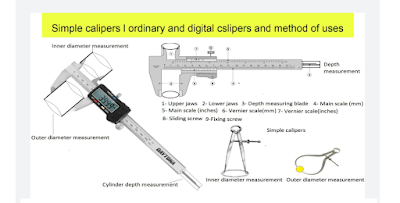
Simple calipers and vernier calipers, method of uses and calculations

Calipers: The calipers are very useful instruments. These instruments are used to measure the diameter of the cylinder, bore, bearing size, ...